 Care
Care
11 Advantages of Adopting an Adult Dog! Find Out!
More and more informed people are choosing to adopt their canine companion instead of buying one. But a good portion of them still think the best option is getting a puppy.
Of course, smaller dogs are irresistible. That charm they give off tends to overshadow older dogs. But adult dogs have their advantages too. Want to know what they are?
We'll Know Its Exact Size
A good portion of dogs up for adoption are mixed-breed. This means they come from crossing different breeds, sometimes very different ones. So, these dogs don't have an established standard defining their physical characteristics or setting their maximum height or recommended weight.
This means that, if we adopt a puppy, even though its appearance might give us hints, we won't know for sure what size it'll reach as an adult, which could mean an unpleasant surprise just a few months later.
To solve this, we have the option of adopting an adult dog that's already completed its physical development and reached maturity. This way, we'll know for certain what its final size will be.
Knowing Its Character and Needs
A puppy is almost a blank slate, which has its pros and cons. Before adopting, it's a good idea to examine our living conditions, the space we have available, and the time we'll be able to dedicate to the dog.
Based on our living conditions, we can design the profile of the dog that fits them, so cohabitation is successful and happy for everyone. For example, if we have sedentary habits, we need a calm, low-energy dog. Only an adult dog, which already has a defined character, can guarantee meeting this condition.
Moderate Energy
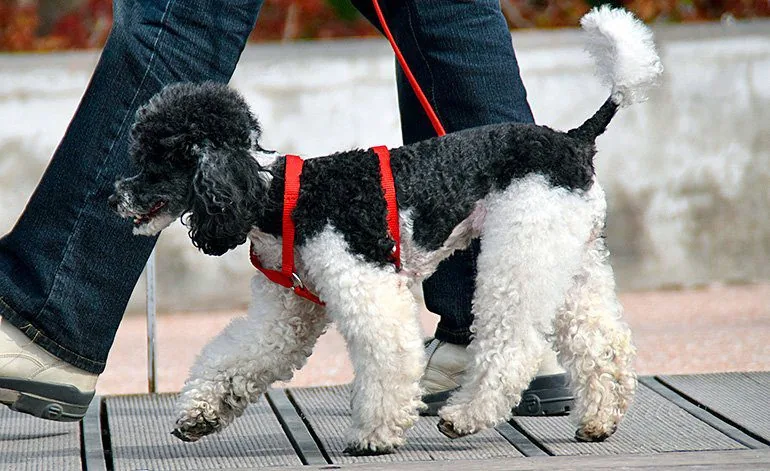
Puppies, in their eagerness to explore, usually show high amounts of energy. Also, the curiosity their surroundings spark in them can lead them to destroy all kinds of objects within reach, like shoes, furniture, clothes, or rugs.
This means needing to spend time with them, train them, play, or, in other words, tire them out. Adult dogs, though it'll depend on their characteristics, tend to be more balanced in this regard. It's not unusual for many to spend the day lying down and only become active during walk time.
Calmer Outings
An adult dog can accompany us almost everywhere, making it easier to spend time together. More and more places allow access with dogs. It's even possible for them to accompany us at some workplaces. Puppies, to leave the house, need to have all their vaccines, which can mean several months of waiting.
They Already Know to Relieve Themselves Outside
Generally, adopted adult dogs adapt to family life. So, they get used to our schedules and the times set aside for their walks. Adult dogs will generally relieve themselves outside the house, unlike what happens with puppies.
Puppies don't yet have full control over their bladder and bowels, so they'll need more opportunities to relieve themselves outdoors, at least until 6-9 months old. Even so, it's very normal for them not to hold it and for us to find urine or stool at home, with the resulting cleanup work we'll save ourselves by adopting an already-adult dog.
Easier Training
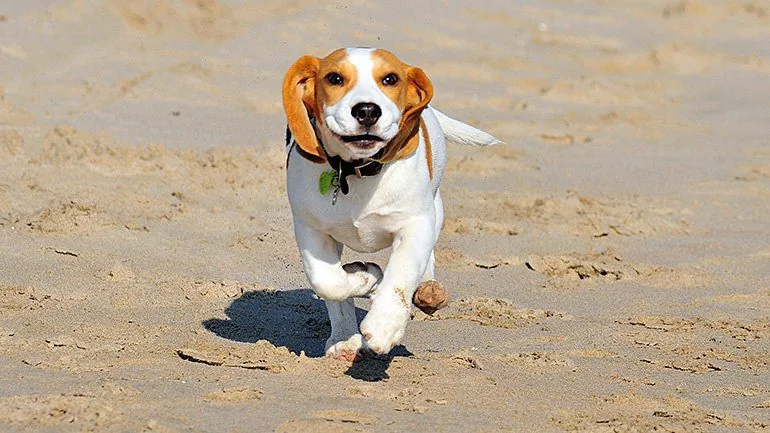
We need to teach dogs how to behave in society. The younger they are, the more rules they need to learn, meaning more time needs to be invested in their training. On the other hand, adults already have a foundation, so it'll be easier to work with them.
Of course, we're speaking generally, since some adult dogs have suffered mistreatment and carry trauma that can complicate, though not prevent, their integration into the adopting family. On this point, it's essential to know dogs can learn throughout their whole life.
Good Health
Unless we specifically choose a sick dog or a very elderly one, who'll be at risk of age-related conditions, adult dogs can enjoy good health for many years.
Although it's common for adopters to choose a puppy trying to secure more years of life alongside the dog, the truth is the growth stage is also prone to serious illnesses, much more common in puppies with an immature immune system. Distemper or parvovirus are examples of this.
They Need Fewer Vaccines
Adult dogs will only need one annual vet visit for revaccination. Unlike what happens with puppies, who, in their first months of life, need to be vaccinated and revaccinated more frequently.

We'll Save on Sterilization
If we adopt an adult dog from a shelter, it's normal for it to already be sterilized when handed over, saving us a considerable amount. On the other hand, very young puppies haven't yet been able to go through surgery.
A sterilization commitment is usually signed, and although some shelters cover this expense after the adoption, in others it'll come out of our pocket, since it's a mandatory procedure under contract.
We'll Save on Its Food
It depends on the diet we choose for our new dog, but, generally, adult products are cheaper than those meant for growing puppies. Also, the amount to give can be larger for puppies, precisely due to their increased nutritional needs.
Personal Satisfaction
Lastly, but no less important, adopting an adult dog is especially rewarding on a personal level. A good portion of dog adoptions are of puppies. Abandoned adult dogs, therefore, have much lower odds of being adopted.
That's why offering one of them a home matters so much. We can feel proud to adopt an adult dog. On another note, dogs that have suffered in their past usually show gratitude at finally feeling cared for. With them, a truly special bond is achieved.
IMPORTANT: This article is for informational purposes only and does not constitute veterinary, nutritional or behavioural advice. Every dog is different, and only your trusted vet can advise you on its specific needs.