 Breeds
American Water Spaniel
Although its curly coat and medium size might make it look fragile, the American Water Spaniel was bred to plunge into icy rivers and retrieve game hunted in extreme conditions. Its tail acts as a rudder in the water, a unique adaptation that sets it apart from other retrievers.
History of the American Water Spaniel
This breed emerged out of the practical needs of European settlers in North America. When they emigrated, they brought their hunting dogs along, but discovered these dogs weren't suited to the deep rivers and swamps of their new home.
American breeders crossed various European breeds — likely Spaniels, Retrievers, and Setters — to create a dog capable of working in cold, deep water. Their goal was clear: retrieve waterfowl shot by their owners without damaging the birds. Unlike other water dogs, it needed to be small enough to fit in canoes and boats, yet strong enough to swim through difficult currents.
Today, the American Kennel Club estimates there are only around 3,000 dogs of this breed in the world, making it one of the rarest breeds of American origin.
Characteristics of the American Water Spaniel
This is a medium-sized, well-proportioned dog, with a modest but functional muscular build. Its body isn't heavy; the legs and tail are in perfect harmony with its overall size.
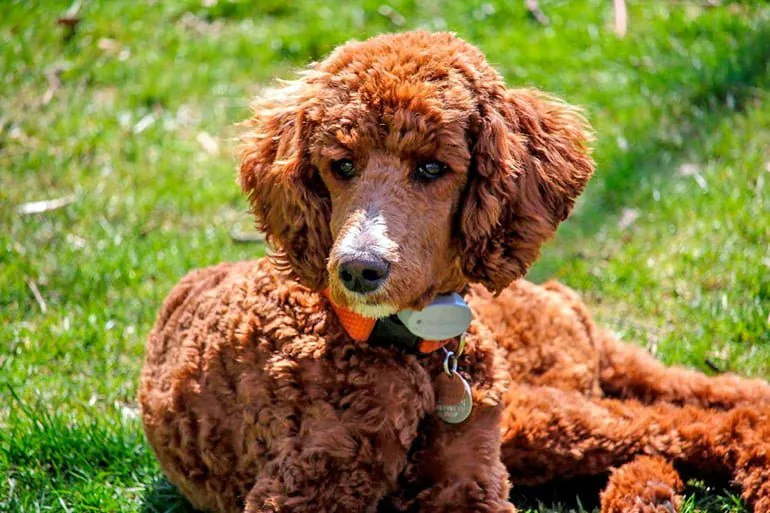
The head is distinctive: a wide, well-developed nose, a square muzzle, and rounded eyes in amber or lemon-yellow. The ears are particularly distinctive — long, wide, and dropped, reaching below the chin — a trait that requires special care.
The coat is thick and curly, soft to the touch, forming a double coat that protects it from cold water. Colors range from dark chocolate to liver or brown, often with lighter patches on the chest or legs.
- Height: 38-46 cm in males and females
- Weight: 13-20 kg in males; 11-18 kg in females
- Coat: Curly, double-layered, in chocolate, liver, or brown tones
- Life expectancy: 10-14 years
- Temperament: Cheerful, energetic, intelligent, and loyal
What Is the American Water Spaniel's Temperament Like?
If you're looking for an energetic, versatile companion, this breed will surprise you. It's intelligent, eager to please, and highly trainable, traits that make it ideal for active families and for dog sports like agility.
Its loyalty to family is exceptional. Around familiar people and pets, it's gentle and easygoing, but it can be reserved or even standoffish with strangers. This initial wariness isn't aggression — it's the typical caution of a working dog that needs time to size up new situations.
The American Water Spaniel stands out for its exceptional swimming ability and its strong retrieving instinct, especially in water, using its tail as a rudder.
This is a dog that lives for action. It loves following commands, completing tasks, and taking part in search games. Trips to the park, runs, swimming in safe lakes or rivers — any activity that channels its energy keeps it balanced and happy.
Without enough physical and mental stimulation, it can become destructive and excessively vocal. It does wonderfully with older children at home, since they share its need for constant movement. It's not recommended for sedentary families or for apartments without access to open spaces.
Essential Care for the American Water Spaniel
Caring for this breed revolves around two pillars: regular physical activity and coat maintenance.
Exercise and Stimulation
It needs at least an hour of intense physical activity daily. Long walks, swimming, retrieving games, or obedience training are essential. Without them, it tends toward destructive behavior: chewing furniture, digging in the yard, excessive barking.
Social interaction with other dogs matters too. Regular trips to the park where it can play freely help strengthen its emotional balance and prevent behavioral problems.
Coat and Ear Care
The curly coat needs brushing twice a week to prevent tangles and keep the skin healthy. After swimming or bathing, it's crucial to dry the coat thoroughly to prevent moisture-related infections.
The long, dropped ears are prone to infection. Check them weekly, clean them with a vet-specific solution, and make sure they're completely dry after bathing or swimming. This is an essential preventive task many owners neglect.
Nutrition and Vet Visits
A balanced diet suited to its activity level is essential. Talk to your vet about portions and food type. Annual vet check-ups help catch health problems early.
Common Health Problems
Although it's a relatively sturdy breed, it can present certain genetic conditions. Most are manageable with preventive care and early detection.
- Ear infections: Its floppy ears create a damp environment ideal for bacteria and fungi. Regular cleaning and thorough drying are key preventive steps.
- Skin problems: The thick, curly coat can encourage skin irritation if it isn't kept clean and dry. Atopy (environmental allergies) is relatively common in the breed.
- Hip dysplasia: A genetic condition affecting the joint. Always buy from breeders who run hip tests on the parent dogs.
- Hypothyroidism: A hormonal deficiency that causes lethargy and weight gain. It's treatable with lifelong medication.
Ask the breeder for health certificates for the parents, especially hip dysplasia tests (OFA or PennHIP) and thyroid tests. A responsible breeder won't hesitate to provide them.
Is the American Water Spaniel the Dog for You?
This breed is perfect if you're an active person who enjoys the outdoors, has time for intense daily exercise, and is willing to invest in regular coat care. It's ideal for families with older children, for dog-sport enthusiasts, and for anyone looking for a loyal, versatile companion.
It's not recommended if you live in a small apartment, work long hours away from home, or prefer a low-maintenance dog. Its rarity also means finding a responsible breeder takes careful research and patience.
If you're willing to give it what it needs — movement, stimulation, coat care, and unconditional love — it will reward you with a loyalty and energy few dogs can match.
IMPORTANT: This article is for informational purposes only and does not constitute veterinary, nutritional or behavioural advice. Every dog is different, and only your trusted vet can advise you on its specific needs.