 Breeds
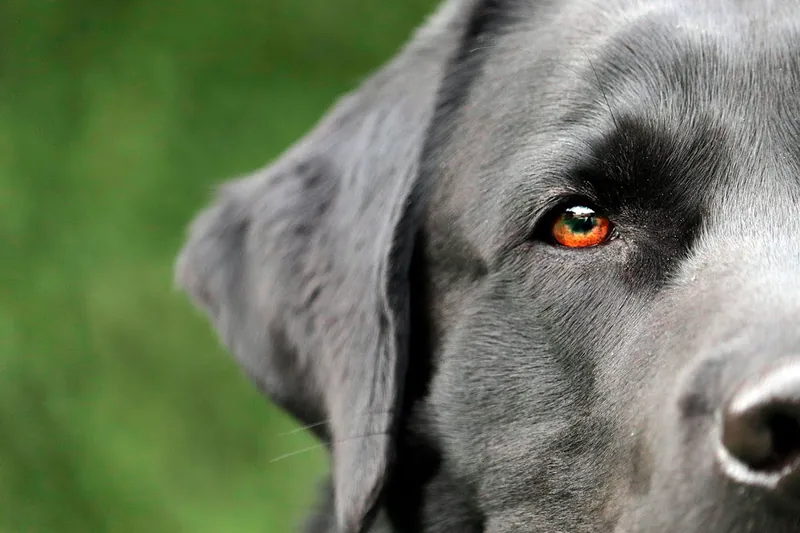
Black Labrador: Is It the Smartest?
Few breeds enjoy the love and popularity of the Labrador Retriever. They're affectionate, loyal, and docile, with an extraordinary sense of smell, and they're not scared off by challenges. All good reasons why they're commonly seen in rescue work, helping the police, in assistance therapy, or as guide dogs.
But do you think there are differences in character or behavior depending on coat color? As you know, there are 3 standard colors for the breed: black, yellow, and chocolate. Today we want to dig into the Black Labrador — breed experts claim it has an edge over the others in several respects. Let's look at all the details.
Is the Black Labrador the Original?
It might sound presumptuous, but a few centuries ago, yellow Labradors — and even more so chocolate ones — weren't as valued as they are today. In fact, they were excluded from breeding programs, considered an undesirable rarity. Only black dogs were selected, and for purists, it's actually the breed's original color.
The reason behind this preference for black has to do with the breed's origin. These dogs come from a cross between the St. John's Water Dog and the Newfoundland. According to surviving photographs, these now-extinct St. John's dogs were black with white patches on the chest, legs, and the tip of the tail.
Black Labradors took top honors at several shows and were highly valued both by breeders and by dog lovers. When they were imported to England, the aristocracy began using them as waterfowl retrievers on their hunts. In 1903, the English Kennel Club recognized the breed, but only in black.
Quirks of the Black Coat in the Labrador
Besides being the highest-quality coat color, one that looks best with proper care — a balanced diet rich in vitamin B and regular brushing — it's also the one that handles sun exposure best, which should still always be kept moderate, especially in summer, to prevent heatstroke and sunstroke.
Although to our eyes all black-coated individuals look the same, there are actually 4 types depending on the dominant genotypes and phenotypes in their DNA. So EE BB dogs are guaranteed to produce solid black offspring, EE Bb produces chocolate, Ee BB produces yellow, and Ee Bb can produce either yellow or chocolate offspring.
The latter group tends to have a pigmentation deficit around the eyes, nose, and muzzle. The so-called Dudley Labradors are usually yellow with a pink nose — a genetic quirk that makes them even more adorable.
Temperament of the Black Labrador
Breeders and breed experts claim black Labradors are more intelligent and can learn up to 100 tricks and commands. Even though this claim isn't backed by any scientific evidence, it's widely shared among enthusiasts.
Black Labradors are also believed to be more protective and calmer than their differently colored counterparts. That might be why guide-dog Labradors are so often this color. On the flip side, they're said to be less skilled at dog sports, likely due to a weaker competitive drive.
That said, it's worth considering which Labrador line the dog belongs to. English Labradors are broader and sturdier and love to play, especially with the youngest members of the household, while American Labradors are taller and leaner, and tend to be more hyperactive due to their pronounced retrieving drive.
More Fun Facts About Black Labradors
Several studies confirm that these dogs' coat color directly affects their life expectancy. Don't believe it? On average, black and yellow Labradors live between 12 and 14 years. Their chocolate counterparts live up to 10.
As black Labradors age, the first gray hairs start appearing on the chest, legs, and tip of the tail — precisely the areas where their ancestors, the St. John's dogs, showed their characteristic white patches. Today, few Labradors have patches. It's considered an undesirable trait.
Did you know that Russian President Vladimir Putin is a proud owner of a black Labrador? Konni is quite the rescue expert, and her puppies have been given as gifts to numerous international dignitaries. She even has a children's book telling the story of her adventures.
Watch Out for Their Gluttony
Besides being very affectionate, sociable, and quick to learn, these dogs are big gluttons and love putting everything in their mouths. This holds true across all 3 colors. So make sure they get proper mental stimulation to avoid destructive boredom behavior, and keep an eye on them — they could swallow something inappropriate or choke.
Their appetite knows no limits. Because of this, it's a breed particularly prone to being overweight or obese. To keep the consequences from hurting their quality of life, split their daily food into two meals and make sure the amount matches their weight and age. If you're unsure, ask your vet for guidance.
Cleaning their eyes, teeth, and ears, brushing their coat every 2 days (and daily during shedding season), monthly baths, vaccinations, and internal and external deworming round out the care these dogs need to feel balanced and happy. Don't hesitate to spend time with them outdoors — you'll both have a great time, and they'll get to socialize and burn off energy.
IMPORTANT: This article is for informational purposes only and does not constitute veterinary, nutritional or behavioural advice. Every dog is different, and only your trusted vet can advise you on its specific needs.