 Breeds
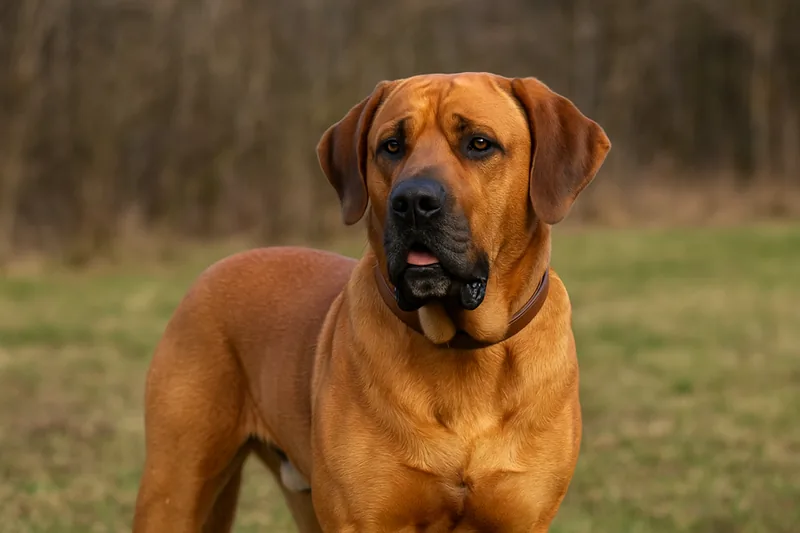
Broholmer, the Danish Mastiff
The Broholmer, sometimes known as the Danish Mastiff, is a dog breed with a fascinating history. It came close to disappearing after the Second World War, but thanks to recovery programs in Denmark, it has made a strong comeback. This imposing dog is, at the same time, an effective guardian and a loyal, calm family companion.
What Is a Broholmer Like?
The Broholmer is a molosser-type dog of Danish origin, included in FCI Group 2. It's known for its rectangular, sturdy, muscular body, with a wide, powerful head. Despite its size, it's a calm, affectionate dog that adapts well to family life. Its traditional job was guarding farms and castles, though today it stands out as an excellent companion.
 Height between 73 and 77 cm in males and between 68 and 72 cm in females
 Weight between 50 and 70 kg in males and between 40 and 60 kg in females
 Short, dense, thick coat lying close to the body. Accepted colors are yellow, golden red, and black. Yellow-coated dogs usually show black masks. Some Broholmers can have white markings on the feet, chest, and tail tip
 Dominant, protective, good-natured temperament. Not aggressive, and they enjoy the company of their human family, on whom they're very dependent
 Good health, but with a predisposition to dysplasia
 Estimated life expectancy of between 10 and 12 years

Temperament of the Broholmer
The Danish Mastiff's temperament is one of its biggest draws. It's a confident, calm, faithful dog, with a protective character without turning aggressive. It tends to be reserved with strangers, but at home it becomes an affectionate companion, attentive to its family.
-
Family-oriented and loving, it forms strong bonds with its owners.
-
A natural watchdog, ideal as a guard dog.
-
Intelligent and sensitive, it responds best to positive-reinforcement methods.
-
Balanced and patient, as long as it receives proper socialization.
Living With Children and Other Pets
The Broholmer can live perfectly well with children, as long as they learn to respect its space. Given its size, it's advisable to supervise play to prevent accidental injury. With other dogs and cats it usually integrates well if socialization starts early, though its presence commands respect. It does best in a house with a yard or plenty of space, but it can also adapt to an apartment with the right exercise and stimulation routine.
-
With children: patient and protective, needs supervision.
-
With other dogs: gets along well with early socialization.
-
In urban settings: adapts with long walks and daily activity.
Recommended Care
This isn't an especially delicate breed, but it does need a consistent exercise routine and basic care.
-
Daily activity: 60-90 minute long walks, calm games, and scent-based stimulation.
-
Diet: a formula specific to large breeds, split into several meals to reduce the risk of bloat.
-
Grooming: regular brushing, nail trimming, and ear cleaning.
-
Climate: handles moderate cold well; it's best to avoid excessive heat.
What Is the Danish Mastiff's Health Like?
Like other molossers, the Broholmer is prone to certain conditions:
-
Hip and elbow dysplasia (usually hereditary).
-
Joint problems from rapid growth.
-
Eye disorders such as entropion or ectropion.
-
Risk of bloat if meal and exercise routines aren't well managed.
Prevention includes regular vet check-ups, weight control, and getting puppies from responsible breeders who run health tests.
History of the Breed
The earliest records of this molosser date back to the Middle Ages, when it was used for big-game hunting and protecting castles and estates. In the 18th century, Count Sehested of Broholm drove organized breeding of the dog, which cemented the Broholm dog as a symbol of nobility and power. After the devastation of 20th-century wars, a small group of enthusiasts rescued the Scandinavian mastiff, bringing it back to the international dog scene. Today it's recognized by the FCI under Group 2.
Is It the Right Breed for You?
The Broholmer is ideal for families looking for a calm, protective, loyal dog, as long as they have the time and space to properly care for it. It's not the best choice for people with limited time or little experience with large dogs.
IMPORTANT: This article is for informational purposes only and does not constitute veterinary, nutritional or behavioural advice. Every dog is different, and only your trusted vet can advise you on its specific needs.