 Nutrition
Can Dogs Eat Pumpkin or Not?
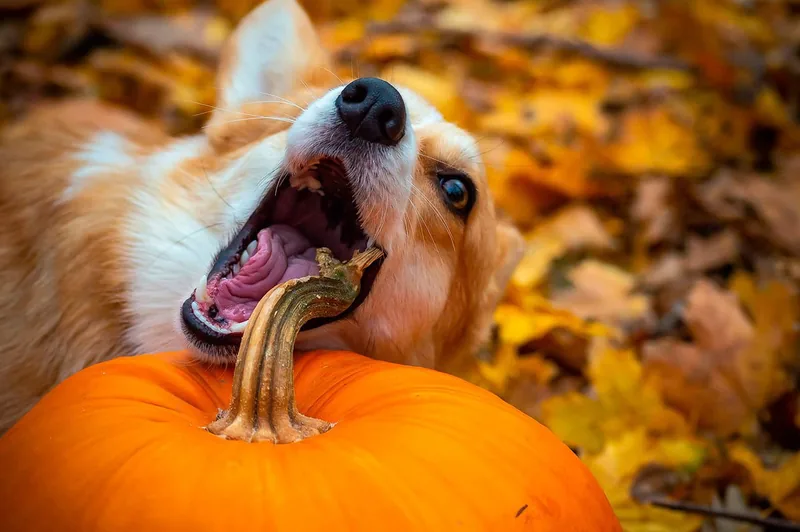
Pumpkin is a common sight in any household's pantry, especially at certain times of year. But we may not know whether it is suitable to offer our dog and, if it is, how to go about it.
Below we look at the benefits our dog may gain from adding this food to their usual diet, the best way to give them pumpkin and how much is appropriate.
The Nutritional Properties of Pumpkin
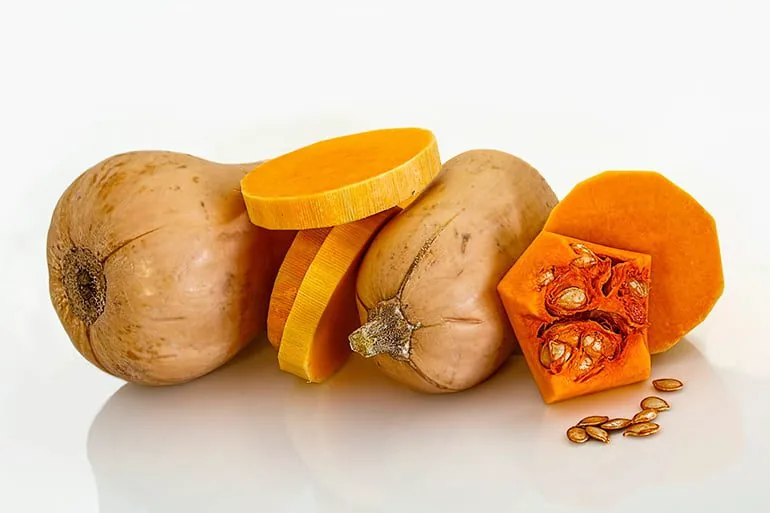
Pumpkin is a highly versatile ingredient: in human cooking it goes into all sorts of recipes, both sweet and savoury, and in a great many different preparations. Both the flesh and the seeds are used. Beyond its flavour, pumpkin is a good food that provides vitamins such as A, C, K and folic acid.
It also provides minerals such as potassium, phosphorus and calcium. It is regarded as a significant source of beta-carotene. Vitamins and minerals are micronutrients, which means the dog needs to consume them in small amounts to keep their body working properly, since they take part in important processes.
Its fibre and water content also stand out. By contrast, it contains a low amount of fat, calories and carbohydrate. Because it has a low glycaemic index, it is regarded as an anti-diabetic food. Another much-praised effect is its antioxidant action. It is also active against so-called free radicals.
The Benefits of Giving a Dog Pumpkin
Being low in fat, it can also be eaten by dogs on a weight-loss diet or with a tendency to put on weight, as well as by dogs with diabetes. Its fibre content makes it suitable for tackling gastrointestinal problems, since fibre is needed for the digestive system to work properly, encouraging its motility.
That is why it helps against constipation. It regulates intestinal motility. What is more, the water it provides supports proper hydration and means it can be offered — mixed with rice and with the amount kept in check — to dogs with diarrhoea and a risk of dehydration. In healthy dogs the fluids it provides will be eliminated, encouraging the excretion of urine.
That can be beneficial in dogs with urinary or kidney problems. It is also credited with an antioxidant effect and action against free radicals, which translates into a stronger immune system. It protects the cardiovascular system and has an anti-inflammatory effect. Finally, pumpkin seeds are used as an antiparasitic.
The Recommended Dose of Pumpkin for Dogs
Pumpkin can be included as an ingredient in a dog's menu by way of a supplement. Dogs, although they function as omnivores, have to build their diet around animal protein to guarantee their nutritional needs are covered.
Roughly speaking, vegetables can make up 10% of their daily menu.The recommended dose will depend on our dog's size and weight, as well as how often we give it. If we offer pumpkin now and then, we can give them a larger or smaller piece according to their size.
If, on the other hand, we want to add it to the diet regularly, the best course is to check the dose with the vet. It will work out at roughly one tablespoon per 10kg of body weight. It is not a toxic food for dogs, but they could suffer mild discomfort if they eat far more than the recommended amount.
Contraindications of Eating Pumpkin
The very qualities of pumpkin that define its benefits could also become a problem if a large amount is eaten. That is, the increase in intestinal motility that pumpkin triggers will be harmful if it goes too far.
In that case digestive discomfort, vomiting and diarrhoea could appear. In short, this is a food that is safe for dogs and can therefore be added to their diet as long as suitable amounts are respected.
Pumpkin in a Dog's Diet
It is a good idea to give our dog a piece and watch how it agrees with them. Only if we notice no ill effects should we move on to adding it to their diet more often. If they like pumpkin, we can take the chance to give it as a treat. Food rewards are very common during training to reinforce commands.
People often reach for tastier treats, such as sausages, but the truth is that these are not always the healthiest. This matters especially when we are talking about overweight dogs or dogs with an illness that keeps them on a restricted diet.
Getting them used to eating pumpkin or apple is an excellent alternative. Their fibre content makes them filling foods, with the added advantage of being low in calories. In any case, treats should not exceed 10% of total daily calories.
How to Prepare Pumpkin for Dogs
The best way to offer pumpkin to our dog is cooked, since although some dogs can eat it raw, it could prove hard to digest. Naturally, it has to be peeled and the seeds removed first. It can be given simply cut into pieces sized to suit the dog, grated, or blended into a purée.
The preparation will have to be adapted to each dog. No salt should be added. The pumpkin flower is also edible. Both the flower and the seeds can be offered mixed into their food or in a purée, for example.
IMPORTANT: This article is for informational purposes only and does not constitute veterinary, nutritional or behavioural advice. Every dog is different, and only your trusted vet can advise you on its specific needs.