 Care
Care
Can You Adopt a Police or Rescue Dog?
There's no doubt dogs are our best friends. They prove it every day in our homes. But there are also other dogs that give everything to help us with tasks as important as rescuing people.
After a life dedicated to public service, these police or rescue dogs deserve the best possible retirement. Did you know they can be adopted? We explain how below.
Very Useful Service Dogs
Dogs working in police or rescue roles receive intense training during the first stage of their life. Well trained to detect drugs, explosives, or people in danger, besides being perfectly trained in obedience, they dedicate themselves to their assigned work for about 7-9 years.
At that age, when they start losing skills and physical fitness, retirement time comes. That's when some, most of them, go on to live with the handler they've worked with. But sometimes this isn't possible, since the handler already lives with other animals, there's an allergy in the family, and so on. Those dogs will be the ones needing a home.
In a minority of cases, a home is sought for dogs that, although trained, were ultimately disqualified for some reason, or suffer a health issue preventing or hindering them from doing their job. While no new home has been found, they typically wait at the canine unit they belonged to.
Adopt a Rescue or Police Dog
Although there are many shelter organizations that take in, treat, and put dogs needing a family up for adoption, if you're interested in adopting a rescue or police dog, not just any shelter will do. Until recently, finding homes for these dogs was handled by their own handlers.
But for some years now, specific organizations exist that connect retired dogs with families interested in giving them a home during their final years of life. So, to get one, you should look for the one closest to where you live and find out about their adoption conditions.
That said, you should know there are few dogs with these characteristics looking for a home, so demand exceeds supply. If you don't want to wait, any shelter or pound will have equally exceptional dogs that also deserve a home.
Adoption Process for Police or Rescue Dogs
Keep in mind that adopting a dog is a thorough process that might seem long and exhaustive. But it's essential to make sure that home is the most suitable one for the dog. These are the steps to follow:
- First, they'll send you the so-called pre-adoption questionnaire for you to fill out and send back by email.
- With this information, the organization, together with the canine handlers, will assess whether any of the available dogs fits the proposed home.
- Sometimes they'll approve your application, but there won't be a dog with the characteristics they consider ideal for your home. In that case, they'll keep you on a waiting list.
- If there's already a perfect dog for your home, the organization will call you for a personal interview. This will take place at your home so they can assess the living conditions the dog would have.
- Once all these steps are done, if the organization decides everything's in order, they'll set a date to hand the dog over to you.
- The last step is signing the adoption contract. With it, we commit to phone or in-person follow-ups so the organization can confirm we're taking good care of the dog. It'll be given to you dewormed, vaccinated, microchipped, and sometimes sterilized.
What to Keep in Mind Before Adopting
Logically, most retired service dogs are quite old. This means they'll need specialized care, like a specific diet, more frequent vet checkups, and, of course, treatments and living conditions suited to whatever conditions they may have.
A good portion of these dogs belong to breeds predisposed to conditions like hip dysplasia. Others retire precisely because a condition interfering with their work has been detected. In other words, there are advantages to adopting a perfectly trained dog, but you need to be aware of their needs and their life stage.
On another note, psychologically, don't forget these are working dogs that, even in old age, will need proper stimulation to prevent behavioral issues. They're also usually used to a high activity level.
Adoption Program for Police or Rescue Puppies
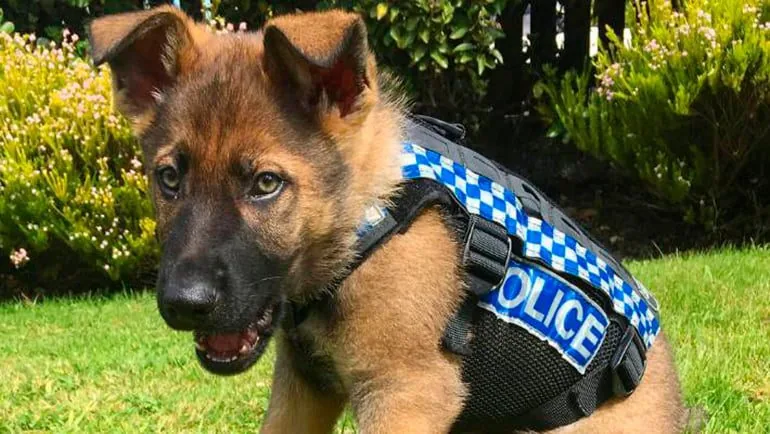
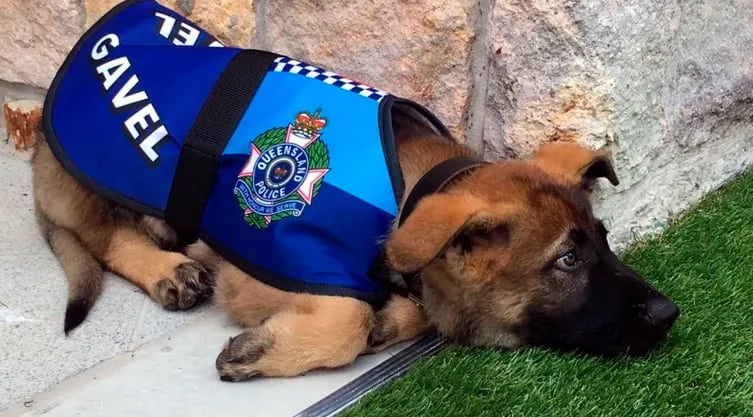
There's also the option of caring for a puppy that'll be trained for police work once grown. In this case, they try to find a home where the puppy achieves good socialization, which is key for its future training.
A contract is signed, and the unit responsible for the dog covers all its food and vet expenses. These types of programs favor families with children, and they also conduct a personal interview before handing over the dog, along with regular follow-ups.
But, of course, in about 7-8 months, the dog will need to return to the facility where it'll work until retirement. Just like with adults, there's more demand than supply. So if you don't want to wait, you can surely foster a puppy from your local shelter.
- Shelter to adopt a rescue or police dog: Heroesde4patas
IMPORTANT: This article is for informational purposes only and does not constitute veterinary, nutritional or behavioural advice. Every dog is different, and only your trusted vet can advise you on its specific needs.