 Care
Care
Treatments for Canine Hip Dysplasia
Hip dysplasia is a fairly common joint disease in dogs, and the treatments available for this condition keep becoming more thorough and innovative. Until a few years ago, treatment for canine hip dysplasia was based on giving pain medication and performing surgery once the disease was already quite advanced.
Nowadays, treatment options have improved, allowing dogs with this condition to have an excellent quality of life while reducing the need for medication. Below, we present the main measures and therapies for conservative treatment of hip dysplasia in dogs.
What is canine hip dysplasia?
Canine hip dysplasia is a disease affecting the hip joint. It's characterized by the two parts that make up this joint (the femoral head and the acetabulum) not fitting together properly.
This leads to progressive wear of the joint cartilage, inflammation of the periarticular structures, and the start of a degenerative bone process (osteoarthritis).
Why does hip dysplasia occur?
Although several factors can favor the development of this disease, the main risk factor is genetic. Hip dysplasia is a hereditary condition, so dogs are born with it, and depending on certain factors (diet, exercise level, body weight, etc.), symptoms develop to a greater or lesser degree.
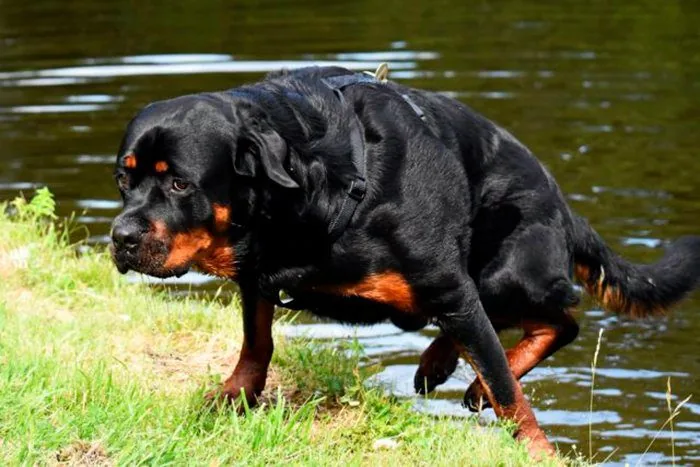
Overfeeding or intense exercise while puppies are growing are high-risk factors for developing hip dysplasia. Obesity and lack of physical activity in adulthood contribute to the disease progressing faster.
How is hip dysplasia diagnosed?
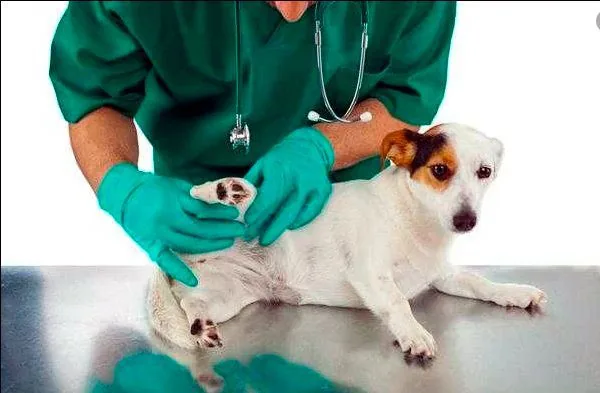
To confirm a dog has hip dysplasia and determine its severity, a hip X-ray needs to be taken in a specific position (with both hind legs fully extended), which requires sedation.
What is the treatment for hip dysplasia?
There are two treatment paths for this disease:
- Conservative treatment: a combination of therapeutic measures aimed at reducing joint inflammation and relieving pain, allowing the dog to live as normal a life as possible without surgery.
- Surgical treatment: indicated in severe dysplasia cases with a greater degree of joint degeneration. There are several surgical procedures, and the choice depends on each patient's specific characteristics (femoral head excision, hip replacement).
Conservative treatment options
Keep in mind that hip dysplasia can't be cured, but we can take a number of steps to slow the disease's progression and let our dog have a good quality of life, minimizing joint pain.
There's no single treatment for hip dysplasia — it's a multimodal treatment, meaning several measures and therapeutic techniques need to be applied together to effectively control this disease's symptoms.
Weight control
The most important factor to manage in order to improve hip dysplasia is keeping the dog at their optimal weight, even slightly lean, throughout their life. To do this, low-calorie diets need to be used. This measure should ALWAYS be taken in dogs with hip dysplasia.
Physical therapy
It's essential to start physical therapy from the very beginning of this disease. The goal of this therapy is to strengthen the muscles in the hind legs and hindquarters to properly stabilize the hip joint, and to relieve the muscle tightness that develops in the front legs from compensating, since these dogs shift their weight forward to put less load on their hind legs.
Techniques used by vets specializing in physical therapy to achieve these goals include: massage to relieve muscle tightness, active therapeutic exercises, stretching, obstacle courses, and so on.
Hydrotherapy
Hydrotherapy is perhaps the most suitable exercise for dogs with hip dysplasia, since it lets us strengthen muscles without any joint impact.
Dogs with severe hip pain are barely able to exercise out of the water, but in the pool that pain is minimized, since buoyancy takes weight off their body, and they're able to move all their joints effectively, building muscle quickly.
Laser therapy
Therapeutic lasers have now been developed in veterinary medicine that produce an anti-inflammatory effect on joints, reducing pain in dogs with hip dysplasia. This therapy is a good option as an additional pain-management measure.
Joint supplements or nutraceuticals
There are veterinary supplements that are effective for managing this disease and that are natural, so they don't have the side effects of medications:
- Chondroprotectants (chondroitin sulfate, glucosamine, hyaluronic acid): these are natural components of joint cartilage.
- Omega-3 fatty acids: given long-term (over 2 or 3 months), these have been shown to produce an anti-inflammatory effect in the body comparable to anti-inflammatory medications like carprofen.
- Turmeric concentrate: Turmeric also provides a medium-term anti-inflammatory effect, making it ideal for this treatment.
Acupuncture
By inserting tiny needles into specific points on the skin, acupuncture produces an immediate pain-relieving effect and better tissue oxygenation.
There's a specific technique for treating hip dysplasia that uses acupuncture principles to control pain in dogs with this disease: gold bead implants. This involves subcutaneously implanting tiny gold spheres at three specific acupuncture points around the hip joint. These spheres continuously stimulate the acupoints, producing a sustained pain-relieving effect.
Platelet-rich plasma and stem cells
The beneficial effects of intra-articular injections of platelet-rich plasma or stem cells are being studied in dogs with osteoarthritis secondary to hip dysplasia.
To obtain plasma, we only need to draw a small amount of blood from the dog, which, after lab processing, is injected into the joint being treated. The process for obtaining stem cells is somewhat more involved, since it requires fat cells from the animal (usually taken from intra-abdominal fat).
Clinical studies have shown that with these injections, pain levels in dogs with osteoarthritis are reduced and limb strength improves in treated patients.
Ozone therapy
Ozone therapy is a very innovative veterinary technique that involves giving therapeutic ozone through different routes depending on the case (intramuscular, subcutaneous, intravenous, intrarectal). Among other effects, ozone has pain-relieving and anti-inflammatory properties, since it inhibits or blocks substances that cause pain and inflammation.
Pain relief and anti-inflammatory medication
All the measures described above are aimed at controlling pain with the goal of eliminating or reducing the need for medication. That said, in cases where the dog has an acute pain flare-up or a relapse, the vet will prescribe whatever pain relief or anti-inflammatory medication they consider appropriate (tramadol, meloxicam, grapiprant, etc.).
As you can see, treating hip dysplasia offers many options, and all of them are valid and reinforce one another when combined, allowing this disease to be well managed and giving dogs with this condition the best possible quality of life.
IMPORTANT: This article is for informational purposes only and does not constitute veterinary, nutritional or behavioural advice. Every dog is different, and only your trusted vet can advise you on its specific needs.