 Care
Care
What Is Canine Hyperkeratosis and How Is It Treated?
Canine hyperkeratosis is a skin condition that mainly affects a dog's nose (nasal plane) and paw pads, causing the skin to thicken and eventually crack.
Although it might seem like a purely cosmetic issue, we should keep in mind that it can become a painful condition and lead to secondary infections if not treated properly. Let's take a detailed look at how it develops and how it's treated.
What Is Canine Hyperkeratosis?
Hyperkeratosis is a skin condition linked to increased production or retention of keratinized tissue, mainly affecting the nasal plane and/or paw pads. So, we can classify it as nasal or plantar (paw) hyperkeratosis.
Keratin is a protein, and it's the main component of hair and nails in most animals. In hyperkeratosis, excess keratin is produced, causing the affected skin to thicken and harden.
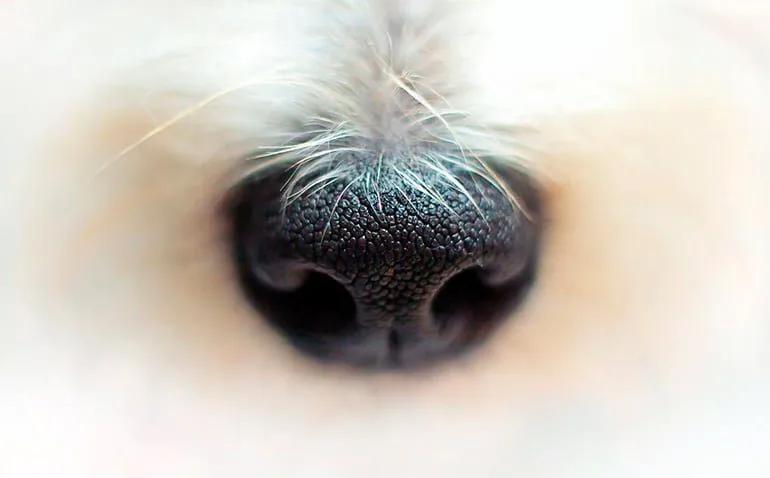
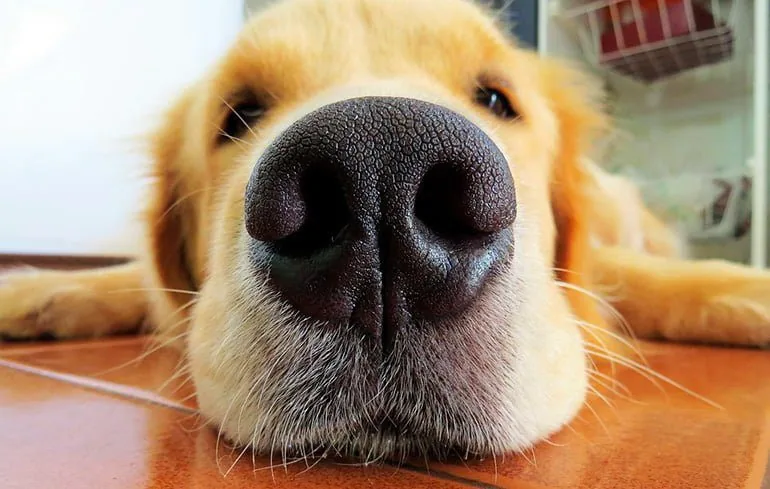
A dog's nose, under normal conditions, is smooth, flexible, and shiny; however, in cases of nasal hyperkeratosis, it becomes dry, thicker, and can crack. In cases of plantar hyperkeratosis, the outer edges of the pads are more affected. It's a progressive disease and can be a source of discomfort for the dog.
What Causes Canine Hyperkeratosis?
The causes of hyperkeratosis vary, with the most common being:
- Secondary hyperkeratosis: canine hyperkeratosis can be secondary to a wide variety of diseases, meaning it can be a symptom of underlying infectious (distemper, leishmaniasis), congenital (ichthyosis), autoimmune (pemphigus foliaceus, systemic lupus erythematosus), or dietary (zinc-responsive dermatosis) conditions.
- Hereditary or genetic hyperkeratosis: as is the case with familial footpad hyperkeratosis in the Great Dane and the Dogue de Bordeaux. In these cases, the condition can appear relatively early, between 4 and 9 months of age.
- Idiopathic hyperkeratosis: the most common clinical presentation of canine hyperkeratosis is spontaneous idiopathic hyperkeratosis, meaning it develops in healthy animals with no underlying condition. It tends to appear mostly in older animals.
What Symptoms Does Canine Hyperkeratosis Cause?
As we've seen, canine hyperkeratosis mainly affects the dog's nose and/or paw pads. It shows up as a buildup of keratin with a dry, cracked appearance and varying thickness.
The hyperkeratotic areas are thickened and hardened, and can crack, causing bleeding, which leads to secondary infections from bacteria or fungi (Malassezia).
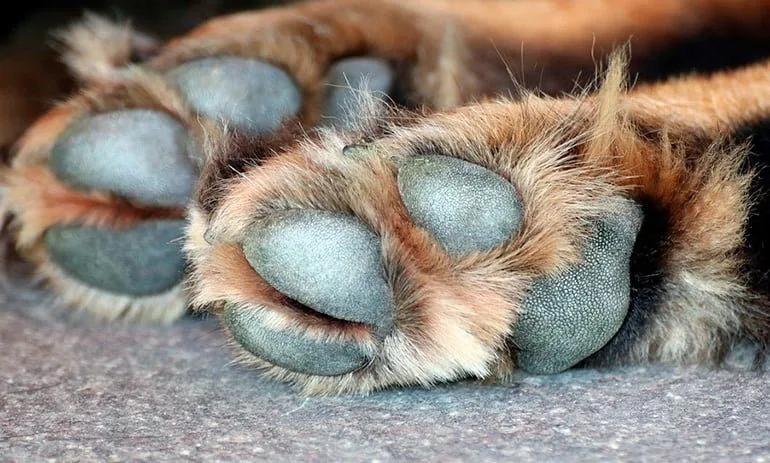
Nasal hyperkeratosis can affect the whole nose or just part of it, while in plantar hyperkeratosis, the outer edges of the pads tend to be more affected.
Local inflammation and cracks tend to be painful for dogs, and can even cause limping if they affect the paw pads. That's why we should see a vet to start the right treatment and keep our pet from being in discomfort.
How Is Canine Hyperkeratosis Diagnosed?
Hyperkeratosis is easily identified by the signs it produces on the dog's nose and/or pads; however, the vet needs to determine whether it's secondary to a systemic condition (distemper, leishmaniasis, pemphigus foliaceus…) or whether it's idiopathic nasal hyperkeratosis, and therefore not linked to any underlying disease.
Bloodwork or a biopsy of the affected tissue may be needed for this.
What Is the Treatment for Hyperkeratosis?
If a specific underlying disease is diagnosed as the cause of the hyperkeratosis, that condition needs to be treated accordingly.
In the case of idiopathic hyperkeratosis, although it's initially a cosmetic issue, it should be treated whenever the animal is in discomfort, there's bleeding, or secondary infections occur.
Treatment aims to soften and remove the excess keratinized material that has built up, through the application of keratolytic substances (preparations with salicylic acid, urea, and sodium lactate) and moisturizing and protecting the nasal tissue with petroleum jelly or other ointments (Bio balm) that help the skin regain its flexibility.
If the cracks in the hyperkeratotic tissue are infected, systemic treatment with corticosteroids, antibiotics, and/or antifungals will be needed.
Treating nasal hyperkeratosis can be difficult, since the animal tends to lick off any medicated products applied topically to the nose.
Prognosis for Hyperkeratosis
Cases of idiopathic hyperkeratosis generally require lifelong treatment. Once any secondary infections are under control and lesions (cracks) have healed, a maintenance treatment should be established, mainly consisting of cleaning with saline solution and applying topical ointments (Bio balm) to help remove excess keratin and keep the skin moisturized and elastic, preventing further cracks and secondary infections.
Omega 3-6 fatty acid supplements can help improve this process and prevent relapses.
Given the nature of the lesions and the licking off of topical treatment, this can become a frustrating condition to treat, requiring a lot of patience and dedication from owners.
Bibliography: T. Nuttall/ R. G. Harvey/ P. J. Mckeever, Enfermedades cutáneas del perro y el gato
IMPORTANT: This article is for informational purposes only and does not constitute veterinary, nutritional or behavioural advice. Every dog is different, and only your trusted vet can advise you on its specific needs.