 Care
Care
Canine Parvovirus: Transmission, Symptoms, and Treatment
Canine parvovirus, or parvo, is the viral disease we encounter most often at veterinary clinics. It's a highly contagious virus that can affect any dog, with puppies and unvaccinated adult dogs being especially susceptible.
This virus affects dogs' digestive systems, causing vomiting and diarrhea with a distinctive foul smell. Parvovirus travels easily from place to place through the feces of infected dogs, or via contaminated shoes and other objects, making it very easy to spread between dogs.
Luckily, there's currently a vaccine against this disease, but we need to understand this condition well so we can spot it in time if our dog becomes infected.
What Is Canine Parvovirus?
Canine parvovirus, or parvo, is a virus that affects dogs' digestive system. It's highly contagious among unvaccinated dogs, and it especially affects puppies under six months old, since their immune system is still immature.
It's a potentially fatal virus if not treated in time, since puppies can become dehydrated quickly if not treated promptly.
A small amount of feces from an infected dog is enough to contaminate the environment with the virus and infect other dogs that come into contact with that environment. In addition, parvo is a very resistant virus, able to survive in the environment for long periods despite heat or cold.
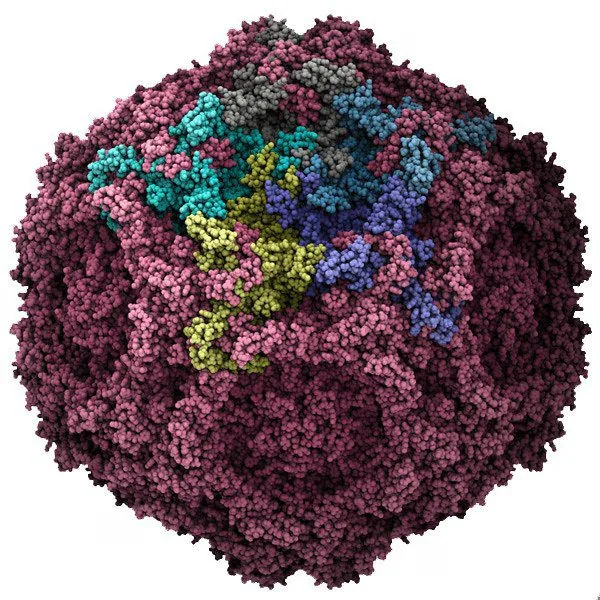 Image of Parvovirus under a microscope
Symptoms of Canine Parvovirus
Parvovirus attacks the gastrointestinal tract of infected dogs, causing vomiting and severe diarrhea with a strong, foul smell, often containing mucus and blood. These digestive symptoms come along with fever, loss of appetite, abdominal swelling and pain, and lethargy.
Vomiting and diarrhea can quickly cause dehydration and hypothermia in puppies, which is why this condition requires urgent veterinary attention.
Most parvovirus deaths occur within 48 to 72 hours after clinical signs begin, so the prognosis is good for puppies that survive 3-4 days of illness. If our puppy or dog shows any of these signs, we need to take it to the vet right away.
Transmission of Canine Parvovirus
Dogs infected with canine parvovirus shed a huge number of infectious viral particles into the environment through their feces. It's been determined that one gram of feces from an infected dog can contain up to a million infectious doses.
If a healthy dog comes into contact with the feces of a sick animal, or with objects contaminated by those feces, it can easily become infected if not vaccinated.
The parvo virus can easily travel from place to place on dogs' fur or paws, or via contaminated shoes or other objects, and it's a very resistant virus that, under favorable conditions, can survive in the environment for several months.
That's why it's very important to vaccinate our dog, since there's a chance that infectious particles of this virus are present in the environment where it walks, or that even our own shoes could carry this virus into our home.
Differential Diagnosis of Canine Parvovirus
Based on the symptoms shown by a dog affected by parvovirus, the vet will suspect this disease. To confirm the diagnosis, there are rapid tests that use a small amount of feces. The vet will insert a small swab into the suspected dog's anus to take a fecal sample, and can confirm whether the animal is infected.
Treatment for Canine Parvovirus
Currently, there's no medication that eliminates the virus from a dog's body — it's the immune system itself that has to fight it off. Treatment is aimed at controlling the associated symptoms (vomiting and diarrhea), preventing dehydration, and preventing secondary infections.
Treatment must begin immediately, and mainly consists of giving intravenous fluids to rehydrate the animal, medication to control vomiting (metoclopramide), a bland diet, and probiotics to support the recovery of the digestive system, and, sometimes, antibiotics (cephalosporins and metronidazole) to prevent secondary infections.
Early detection of this disease and immediate, intensive treatment are very important for a favorable prognosis. With proper treatment, survival rates can approach 90%.
Prevention of Canine Parvovirus
The best way to prevent this disease is early vaccination of puppies and annual revaccination of adult dogs against parvovirus.
That said, there's a window during which puppies are unprotected against this disease, since the natural immunity provided by mother's milk can wear off before the puppies' own immune system, stimulated by the vaccines, has produced enough defenses to fight off infection.
If a puppy is exposed to canine parvovirus during this protection gap, it can get sick. That's why it's not recommended to take puppies outside or let them have contact with unvaccinated dogs until they've completed their vaccination schedule (around 3-4 months of age).
Despite proper vaccination, a small percentage of dogs may not develop sufficient protective immunity and remain susceptible to infection, although if infected, they'd develop milder symptoms than if they hadn't been vaccinated at all. That's why vaccination against parvovirus is recommended for ALL dogs.
As we can see, parvovirus is a pathogen commonly found in our dog's usual environment, and it can cause serious, potentially fatal illness if not treated promptly and properly. That's why it's extremely important to keep its vaccination schedule up to date, and to see a vet as soon as possible if gastrointestinal symptoms appear.
IMPORTANT: This article is for informational purposes only and does not constitute veterinary, nutritional or behavioural advice. Every dog is different, and only your trusted vet can advise you on its specific needs.