 Care
Care
Care for Blind Dogs
Knowing how to care for a blind dog is essential if you have a canine companion with this condition, whether they were born blind or lost their sight due to illness.
Below, you'll discover the precautions you should keep in mind at home, along with the special attention needed during walks and other essential tips to give your dog a happy life.
How do I know if my dog is blind?
Blindness in dogs can be present from birth, when there are genetic eye malformations. In these cases, the dog is born with limited vision that worsens over time.
Not every dog is born blind — some lose their sight due to age, while for others blindness results from various illnesses, such as glaucoma or progressive retinal atrophy.
In either case, the best way to know if your dog is blind is by observing their behavior. Here are some warning signs:
- The dog bumps into objects.
- They struggle to find their food bowl, even when it's right in front of them.
- They show clumsiness in dark environments.
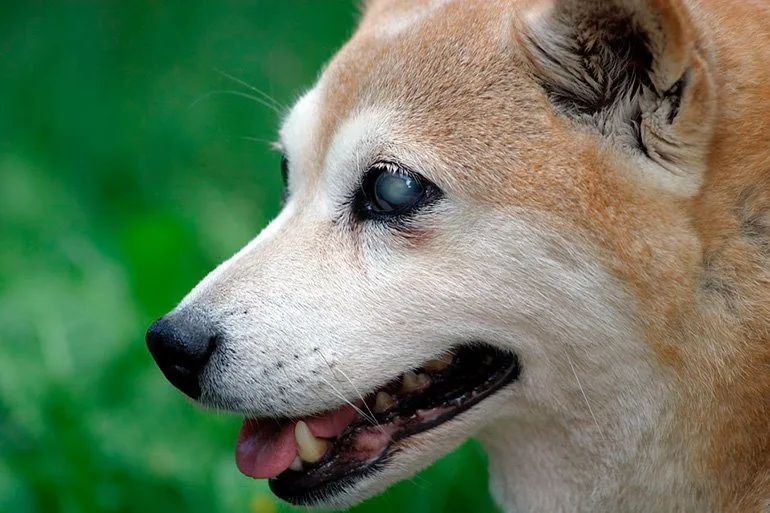
- They have spots on their eyes.
- They move cautiously outside the house.
- They turn their head repeatedly when you call them, since they struggle to locate where you are.
- Their eyes water frequently.
- Absence of the pupillary light reflex.
Do you suspect your dog is blind? See your vet to confirm this diagnosis.
Caring for a blind dog
A dog who's lost their sight due to illness becomes insecure and fearful at first — it's your job to help them regain confidence and lead a calm life.
Blindness in adult dogs means you'll need to make some changes to your household routine to give your dog a safe environment where they feel comfortable. Here are some tips for caring for a blind dog:
Adapt your home
Stairs, steps, railings, plant pots and other objects, plus the pool, can become a hazard for your dog in their new condition. Block access to stairs and any spot where your dog could trip and fall — there are various baby gates and fences that are easy to install, even without any construction work.
Place plant pots and side tables against the wall, freeing up hallways and preventing your dog from bumping into them. Also, remove any sharp objects from their reach.
When you need to leave the house, it may be necessary to restrict their movement around the house to prevent injury. One option is to set up a somewhat spacious area, away from dangerous objects, where you can install protective barriers. Ideally, this should be the spot where they keep their food and bed.
Don't rearrange the furniture
If your dog has gone blind, it's best not to change the layout of furniture and objects around the house. They may bump into things at first, but this process will be easier for them if the furniture stays in the same place they already knew.
If you adopt a blind dog, guide them through the house during the first few days, always using a leash. Let them sniff around freely and prevent them from wandering the house alone until they get used to where objects are.
Remember to keep the water and food bowls, as well as the dog's bed, in the same place — ideally, somewhere in the house not disturbed by frequent noise.
Safe walks
A leash is essential for going on walks, ensuring they stay by your side and making it easy for you to guide them.
In dogs who weren't born blind, walks can trigger anxiety — it's recommended to get them used to their new condition by walking close to home for a couple of weeks. As you notice them growing more confident, extend the range of your walks.
Don't let other people pet your dog on the street — they could get scared and react negatively. Before petting them, speak to them so they know you're approaching. Take walks slowly and establish a routine in terms of locations, since familiar smells will bring them comfort.
Only remove their leash and harness when you're in a safe area where the dog responds when called. If there are too many people or pets around, avoid leaving them alone.
Positive stimulation
Despite their blindness, your dog can keep playing and interacting with other people or pets, always being careful to speak to them before approaching. Give them chances to keep meeting up with familiar people and dogs — this will enrich their life.
Besides their usual toys, get others that further develop their sense of hearing, like balls with bells or toys that make sounds when pressed.
What if my dog was born blind?
Caring for a dog born blind is similar to caring for an adult dog who lost their sight, but you should add a few extra elements.
Training
Training is important for any pet, but a blind dog needs special emphasis on commands aimed at their safety. "Stay," "wait," and "sit" will be very useful for keeping them from approaching dangerous spots.
Likewise, teaching them to respond to their name and come back to you when called will give you the confidence to take them to parks.

Harness for blind dogs
A harness for blind dogs consists of a vest with a metal or plastic bar positioned around the head. Thanks to this device, you'll prevent your dog from hitting their face if they trip. It's a good option when taking them somewhere new, like a vacation trip.
Suitable toys
It's essential for a dog born blind to have toys that make sounds — this is the only way for them to have fun searching for objects.
If you have other pets at home, consider putting a bell on their collars, so your blind dog can locate them easily and isn't startled when they approach.
Establish a routine
Routine is essential for dogs' lives, and blind dogs are no exception. Setting a schedule for meals, playtime, walks, and rest will give your dog peace of mind.
Avoid overprotecting them
Caring for a blind dog doesn't mean you should overprotect them. With proper training, care at home and during walks, and plenty of affection, your dog will be able to develop like any other and lead a normal life.
As for diet, blind adult dogs or puppies can follow the same diet as other dogs, taking their age and breed into account (small, medium, large). Likewise, see the vet for an annual checkup or whenever you notice a change in behavior.
IMPORTANT: This article is for informational purposes only and does not constitute veterinary, nutritional or behavioural advice. Every dog is different, and only your trusted vet can advise you on its specific needs.