 Breeds
Catalan Sheepdog
The Catalan Sheepdog, or Gos d'Atura Català, is far more than a herding dog: it's a guardian of Pyrenean tradition. Its shaggy coat, intelligent gaze, and legendary ability to drive flocks without a single nip make it a breed as fascinating as it is hardy. Discover everything you need to know about this serene-souled companion with a transhumant past.
Physical Profile of the Gos d'Atura
The Catalan Sheepdog is a medium-sized dog, with a build that prioritizes agility on steep terrain. Males stand between 47 and 55 cm at the withers, weighing around 18 kg, while females fall between 45 and 53 cm and weigh around 16 kg. Its body is slightly longer than tall, a proportion that gives it exceptional stability on slopes and uneven surfaces.
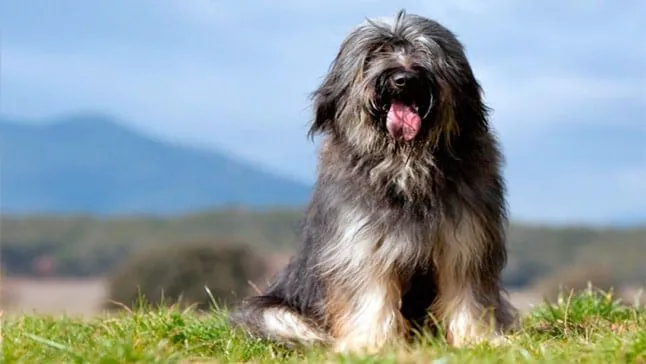
Its most distinctive trait is a long, thick, slightly wavy coat, which acts as natural insulation against the cold and damp of high mountains. The outer layer is coarse to the touch, while the undercoat is fine and woolly. Accepted colors, under the Fédération Cynologique Internationale (FCI) standard, span the whole range of fawns and reddish tones, from sandy shades to deep mahogany, always uniform across the body. This breed's life expectancy runs between 12 and 14 years.
Transhumant Roots in the Pyrenees
The Catalan Sheepdog is native to the high mountain regions of the Catalan Pyrenees, especially Berguedà, Cerdanya, and Ripollès. For centuries, these dogs were the inseparable companions of transhumant shepherds who moved huge flocks of sheep between summer pastures in the Pyrenean valleys and the plains of Lleida in winter. Their breeding was never guided by aesthetic criteria, but by extreme functionality: stamina, intelligence, and the ability to make independent decisions on difficult terrain.
Official recognition of the breed didn't come until well into the 20th century, when a standard was set describing its physical and functional traits. Until then, the Gos d'Atura was simply a working dog with no formal registration. Farm mechanization in the second half of the last century drastically reduced the need for herding dogs, pushing the breed to the brink of extinction. Its recovery was made possible thanks to the efforts of local breeders and organizations dedicated to preserving native breeds, which launched selective breeding programs focused on genetic health and maintaining the breed's original functional temperament.
Calm Intelligence and Herding Without Aggression
The Catalan Sheepdog has a well-balanced temperament that combines intelligence, sensitivity, and a watchful calm. It's not a nervous or reactive dog; its way of being in the world is that of an attentive observer that assesses each situation before acting. This composure makes it a reliable companion both in the field and at home, where it forms a very close bond with its owner and prefers to stay nearby, watching over its family's every move.
Its herding technique is the trait that best defines its temperament. Unlike other breeds that rely on nipping or physical intimidation, the Catalan Sheepdog guides livestock with a fixed gaze, precise body movements, and strategic barking. This lack of innate aggression makes it especially well suited to living with children and other animals, as long as it's given early socialization and work or activity that stimulates its mind.
Fun Facts Only This Breed Holds
The Gos d'Atura Català is one of the few herding breeds that never needs to bite to move a flock; its authority rests on presence and visual communication. This skill, passed down through generations, makes it an exceptionally respectful shepherd for sheep and goat flocks on rugged terrain.
Another quirk is its thick, low-set tail, which at rest falls with a slight curve at the tip, resembling the shape of a saber. Despite its rustic look, it's also a dog that adapts surprisingly well to family life as long as it gets proper exercise and mental stimulation, showing a calm, protective temperament at home.
Care and Health for the Catalan Sheepdog
The Catalan Sheepdog is generally a healthy breed, but like many medium-sized dogs it can have a predisposition to hip dysplasia and certain hereditary eye conditions. Regular vet check-ups and keeping up with the vaccination and deworming schedule are essential. Its life expectancy of 12 to 14 years can be extended with a balanced diet and weight control.
Coat care needs some attention: brushing it two or three times a week is enough to prevent tangles and remove dead hair, stepping up frequency during shedding season. Trimming the coat isn't recommended, since it serves an insulating function. As for exercise, it needs long daily walks and games that challenge its intelligence, such as tracking or agility, to stay balanced and happy.
IMPORTANT: This article is for informational purposes only and does not constitute veterinary, nutritional or behavioural advice. Every dog is different, and only your trusted vet can advise you on its specific needs.