 Training
Causes of Aggression in Dogs
It's very easy to say dogs are aggressive by nature, so we don't have to admit our own mistakes as owners. The truth, though, is that in most cases, aggression in dogs is our fault.
Let's run through the most common causes that create or trigger canine aggression. This way we'll know where the problem originates and can fix it.
Dogs Aggressive From Poor Socialisation
For a dog to learn to behave in society, it's essential that from puppyhood they spend time with other dogs, animals and people. They need to get to know them, play with them, sniff them, and even be told off when they do something wrong (both by other dogs and humans).
Socialisation is essential for our dog to have a healthy mental state and not become aggressive with age. We should socialise them from puppyhood and throughout their whole life.
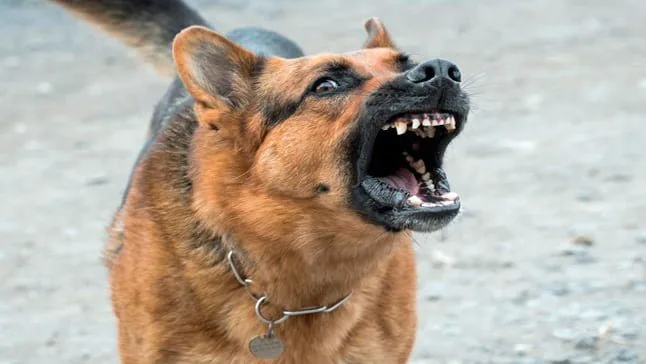
 Dog barking at a stranger in their home
Aggression From Mistreatment
Plenty of people not only don't know how to look after a dog, but also mistreat them. It could be physical abuse (hitting them when they do something wrong or don't listen to us) or psychological abuse (chaining them up all day, locking them away).
You should never hit a dog, because they'll learn from us to use aggression when they think it's needed. What's more, we'll encourage fear and bad behaviour — there are plenty of other healthy ways to correct a dog.
Territorial Aggression
Every dog is territorial, some more than others. That's why they're constantly urinating, marking out what's your territory; it's a normal way of communicating between dogs and other animals.
When a dog sees a stranger or another animal invading what they consider their territory, their aggression and protective instinct can surface. Something we need to prevent, since it will end up becoming a serious behavioural problem.
Forbidden Games
Without realising it, we're often the ones encouraging a dog's aggression ourselves, through typical tug-of-war games or winding our dog up, in jest, while playing.
This kind of game, far from being healthy or advisable, is a medium- and long-term danger, since we're directly encouraging aggression. We should avoid them entirely.
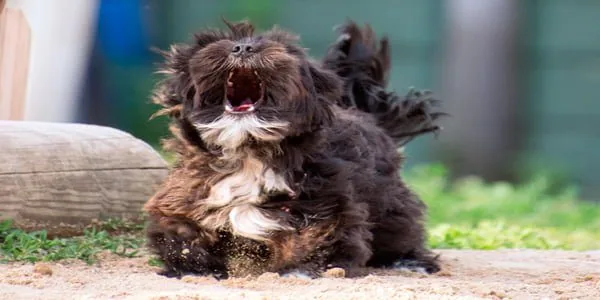 A frightened dog becomes aggressive
Aggression From Heat
Both male and female dogs become more aggressive when there's a rival around during the heat period. Males become more aggressive towards other males if there's a female in heat involved.
The same happens with females, capable of becoming aggressive towards any male or female dog if they're going through their heat cycle.
Aggression From Fear
When a dog is scared, they show clear signs of fear we need to identify to stop them moving on to the next state: panic.
When a dog moves from fear to panic, they become unpredictable and can become very aggressive to defend themselves. We need to be very cautious around a frightened dog.
Protective Aggression
We all know dogs are highly protective of their owners, so if they see someone trying to harm or hurt their owner, they'll become aggressive and try to defend them.
This behaviour is entirely normal — it's a defensive act that, far from being treated as a behavioural problem, should be carefully assessed.
Aggression From Health Problems
When a dog is unwell, they generally feel far weaker, which can make them show aggression towards other dogs or people they consider might pose a danger.
There can also be cases of mental health problems; just as with humans, our dog may have some mental disorder causing their aggression.
Canine Aggression From Poor Training
This is the single most common cause of aggression in dogs, stemming from one or several human mistakes during the training/education process.
Plenty of people don't bother learning how to treat, train and educate their dog. There are even people who teach them to be aggressive… seeing is believing.
Don't make the mistake of teaching your dog to be aggressive, bad. Because that behaviour will end up harming both you and them a great deal.
IMPORTANT: This article is for informational purposes only and does not constitute veterinary, nutritional or behavioural advice. Every dog is different, and only your trusted vet can advise you on its specific needs.