 Care
Care
Cyanobacteria Poisoning in Dogs
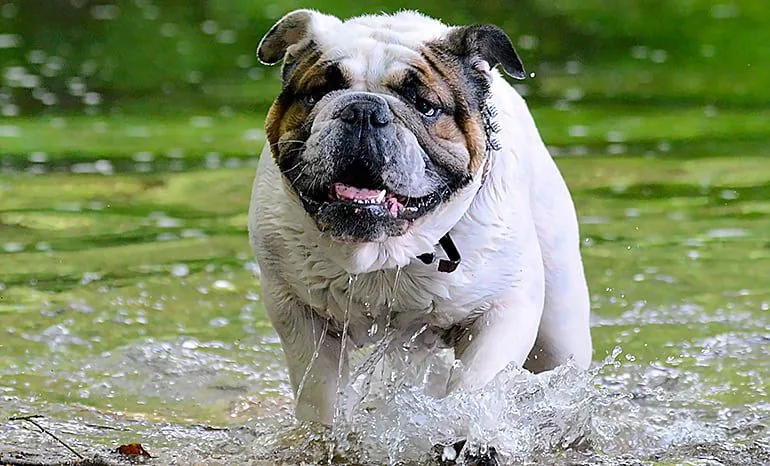
With the arrival of good weather, we all head out into nature. Forest areas and bodies of water are places we visit often with our dogs. It's great to enjoy a day out on a hike, but we shouldn't let our guard down.
Blue-green algae, which are actually bacteria, can be toxic and even deadly if our dog ingests a considerable amount. Below, we'll explain which waters are dangerous and how to prevent and respond to poisoning.
Blue-Green Algae or Cyanobacteria
Blue-green algae are nowadays called cyanobacteria. They were organisms that showed characteristics of algae, hence their name, but with advances in biological knowledge, it was found their cell characteristics allowed them to be classified as bacteria. Specifically, they're bacteria capable of photosynthesis.
The role they've played and continue to play in aquatic ecosystems, but also terrestrial ones, is very important. They live in oceans, freshwater, lakes, wetlands, hot springs, rocks, soil, and even under ice. They mainly proliferate in calm, nutrient-rich waters, with temperatures between 15 and 30°C and a pH between 6-9.
This type of bloom becomes visible in the water as blue-green, brownish, or reddish algae. The water may also appear colored, cloudy, and with a film on the surface. Foam sometimes forms. Some cyanobacteria produce toxins that can be fatal to animals. They cause liver, neurological, or dermatological damage.
Dogs at Risk From Cyanobacteria
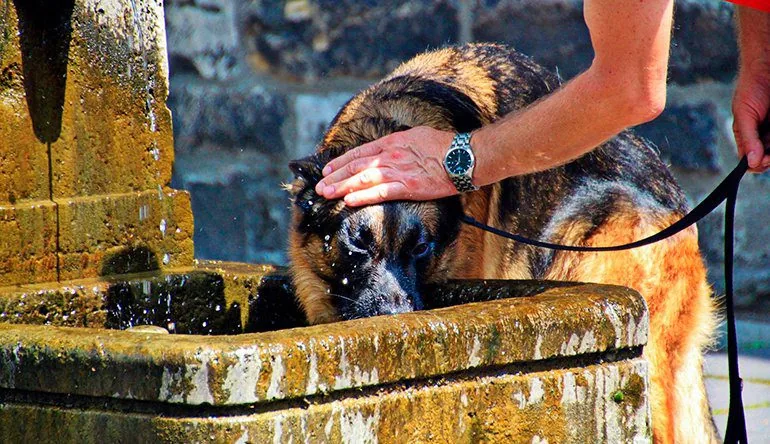
It's common for dogs playing or swimming in water to swallow some. Dogs most at risk of cyanobacteria poisoning are those that submerge themselves in or drink from stagnant fresh or salt water at a temperature between 15-30°C, since these are the favorable conditions for cyanobacteria to proliferate.
The points to watch, therefore, are ponds and lakes. Dogs are more often affected because so many enjoy the water, and even more drink from just about anywhere. On top of that, they're attracted to the smell cyanobacteria blooms give off. The habit of throwing objects for them to fetch in the water increases their exposure.
But even just licking wet fur could cause poisoning. In addition, poisoning can also occur from simple contact. Dogs under 18 kg are considered to be at higher risk from the same amount. By the way, humans can also be poisoned by cyanobacteria.
Diagnosis of Cyanobacteria Poisoning
Unfortunately, cyanobacteria poisoning is serious, and the percentage of dogs that die from the damage it causes to their body is high. It's important to keep in mind that symptoms of this poisoning can start within minutes or take up to several days to appear. The most common are the following:
- Diarrhea that may contain blood.
- Vomiting.
- Excess salivation.
- Weakness.
- Disorientation.
- Inactivity.
- Seizures.
- Paralysis.
- Trouble breathing.
- Increased heart rate.
- Loss of appetite.
- Change in mucous membrane color, which can turn yellowish, bluish, or grayish.
- Dark urine.
- Itching and skin rashes.
- Loss of consciousness.
What to Do If Your Dog Is Poisoned by Cyanobacteria
Dogs poisoned by cyanobacteria can be saved, but for this, besides the amount ingested, exposure time, and the dog's size, quick veterinary care is key.
That's why, if after a day in the water or after drinking, our dog shows any of the symptoms mentioned, we need to contact the vet immediately. There's no effective antidote, but fluid therapy can be started to try to eliminate the toxins as soon as possible.
Prevent Your Dog From Being Poisoned by Cyanobacteria
Logically, the best way to prevent cyanobacteria poisoning is to keep the dog from accessing waters that could contain a high amount of these organisms. Remember they're more common in stagnant waters, such as lakes or ponds, and during the warm, rain-free months.
In addition, keep in mind they could be present in home swimming pools or decorative ponds if cleaning is neglected. Generally, you need to prevent the dog from getting into or drinking water that looks cloudy, dirty, or has an unpleasant smell. If you find it hard to control, don't let it loose near these spaces. Keep it on a leash.
Don't let it lick its fur either if it's gone into suspicious water. On the other hand, if you think or see that the dog has drunk contaminated water, you can thoroughly rinse its mouth with clean water and take it to the vet immediately. Handle it with gloves, since cyanobacteria are also harmful to people.
Bibliography Ministerio de Salud de la Nación (Argentina). Cianobacterias potencialmente tóxicas en aguas y el perro como animal centinela.
IMPORTANT: This article is for informational purposes only and does not constitute veterinary, nutritional or behavioural advice. Every dog is different, and only your trusted vet can advise you on its specific needs.