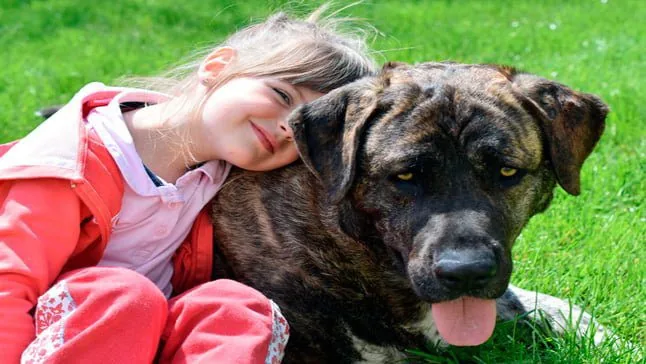
 Care
Care
Dog Therapy
For some years now, dog therapy has become an effective, proven method for helping improve many types of psychological conditions.
In this article, we'll talk about how and why this kind of therapy works, which breeds are used, how they're trained, and the benefits that can be seen after just a few sessions.
In Which Cases Is Canine Therapy Used?
This type of therapy, in which the dog is the star, is being applied with great success across a wide range of issues affecting psychological, emotional, and affective balance.
Things like depression, difficulty adjusting to one's surroundings, autism, abuse, social exclusion, drug addiction, abandonment, behavioral disorders, loneliness, isolation, and even Alzheimer's.
The number of cases where dog therapy helps a patient's recovery is really vast. Thanks to, in a way, returning to our origins with animals, this type of treatment is proving to be highly effective.
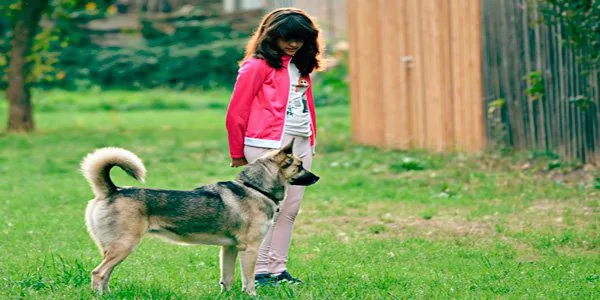
How Does Dog Therapy Work?
Therapy is applied in many ways, depending on the psychological condition or social/behavioral issue we want to address.
For example, in cases of children needing specialized care after surgery, whose recovery will be slow and gradual, animal therapy helps motivate them to regain lost mobility or motor skills.
In these cases, the child feels more motivated by taking on responsibility for the dog's care. This also helps them regain their own mobility, since they need to care for it — brushing it, playing with it, feeding it, and so on.
In more complex situations, like autism, children who've suffered abuse or mistreatment, or who lack self-esteem for some reason, dogs are fantastic at helping them recover a sense of self-worth.
Simply interacting with the animal offers them a very different perspective on the world they've known until now, making them feel part of it and take responsibility for their actions.
Benefits of This Type of Therapy
Studies conducted to determine the real benefits obtained from therapeutic work with the help of dogs have found the following results:
- The dog isn't conditioned by any behavioral pattern that could interfere with its communication with the patient. Its attention span and consistency in carrying out its role are greater.
- The animal doesn't pretend. It shows itself exactly as it is, conveying a purity and honesty that makes communication with the patient genuine. They're a living example of self-esteem, since they show us how to love and be loved without needing to stop being ourselves.
- Dogs use nonverbal language, which helps boost empathy and the ability to sense others' feelings.
- The dog, and especially a therapy dog, generally and naturally seeks calm and balance wherever it finds itself.
- The animal lives in the moment, helping the patient regain a sense of the present, pulling them out of possible past traumas, and fostering, through its attitude and natural charm, a state of happiness.
Training Dogs for Therapy
Before training a dog for therapy work, it needs to go through a thorough selection process that evaluates its character, temperament, and physical and cognitive abilities.
Once it successfully meets all the necessary requirements, it's assigned to a specialized trainer, who'll guide it through the entire training process.
The trainer's main job is to build a close bond with the animal, and then simulate all the situations it'll need to face in the future, drawing out the appropriate reaction to each one.
Training time can range from a couple of months to several more, depending on the type of therapy the dog is intended for.
What Are the Best Breeds for Therapy Work?
There's no such thing as better or worse breeds for this type of therapy, though it's true some are more suited to this kind of work.
The deciding factors are size and temperament, not the breed itself.
That said, some breeds are more commonly seen in this kind of therapy, like the Golden Retriever or the Labrador.
IMPORTANT: This article is for informational purposes only and does not constitute veterinary, nutritional or behavioural advice. Every dog is different, and only your trusted vet can advise you on its specific needs.