 Care
Care
Elbow Dysplasia in Dogs
Did you know the elbow is one of the most complex joints our dogs have? This area gets a lot of veterinary attention due to the number of conditions diagnosed there, leading to serious mobility problems. The most significant condition affecting the front leg is congenital in nature and is known as elbow dysplasia.
Let's take a detailed look at exactly what this type of dysplasia involves, what symptoms we might notice, how it's diagnosed, and the most appropriate treatment so our dog can lead a normal life.
What do we call elbow dysplasia?
This is a hereditary, polygenic developmental condition affecting our furry friends' elbows. It's characterized by four processes that can occur combined or independently, which are:
- Fragmented medial coronoid process of the ulna (FCP).
- Osteochondritis dissecans of the medial humeral condyle (OCD).
- Ununited anconeal process (UAP).
- Joint incongruity, which can be humeroradial or humeroulnar.
Symptoms of elbow dysplasia in dogs
This is a genetic condition, but poor nutrition while the dog is growing, trauma, or too intense physical exercise can increase the risk of triggering elbow dysplasia; even so, in most cases, the hereditary factor carries much more weight.
So selecting breeding dogs free of dysplasia is one of the tools we currently have to reduce how often this condition occurs. Because of this, more and more breeders and clubs are requiring official screening of breeding dogs to decide whether or not to use them for this purpose.
Interestingly, it tends to affect males more than females, and it can be unilateral, affecting only one front leg, or bilateral, affecting both.
Several breeds are genetically predisposed, especially fast-growing large and giant breeds. These include: German Shepherd, Labrador, Saint Bernard, Golden Retriever, Newfoundland, Bernese Mountain Dog, Neapolitan Mastiff, and Rottweiler.
The first symptoms of the disease can be detected from around four months of age, though sometimes we don't notice until the dog reaches adulthood. The most obvious clinical signs of canine elbow dysplasia are:
- Exercise intolerance.
- Front leg limping, which worsens over weeks or months.
- Limping that gets worse after exercise and generally doesn't go away with rest.
- Pain that worsens with age and certain weather conditions such as cold or humidity (osteoarthritis).
- Changes in behavior and activity level.
- Swollen elbows and reduced range of motion in the limb.
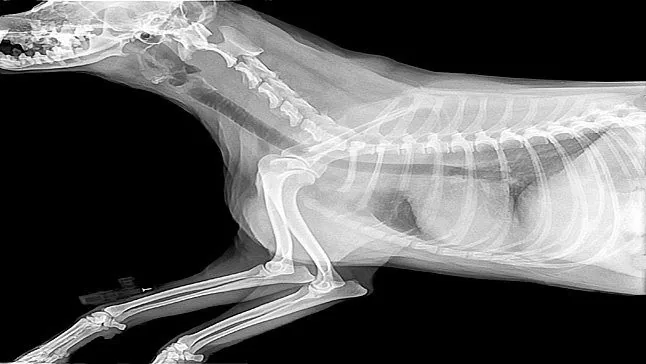
These issues also occur with other canine diseases, such as hip dysplasia. Because of this, it's important to see the vet so they can run some imaging tests and give us a diagnosis. If there's any doubt, the specialist may also want to do a CT scan to check for other related conditions.
Treatment and/or surgery for elbow dysplasia
Treatment needs to take into account the underlying causes, and to try to slow its progression, it should start as soon as possible, since degenerative changes are progressive in every form of elbow dysplasia.
Treatment will depend on the specifics of each case. If the injury isn't severe, or if surgery isn't an option, conservative treatment can be considered:
- Reducing body weight, a priority measure for any issue affecting the musculoskeletal system.
- Nutritional supplementation and chondroprotectants.
- Adjusting the level and type of exercise.
- Rehabilitation and physical therapy.
- Pain management (anti-inflammatories, acupuncture).
The use of orthoses can also be considered — devices placed around the outside of the limb to provide physical support during movement, allowing increased joint mobility and numerous benefits at the blood flow, neuromuscular, and metabolic level, which could improve our dogs' quality of life.
In severe cases of osteoarthritis, platelet-rich plasma injections and stem cells can be used, achieving improvements in limping, pain levels, and range of motion. When these measures aren't enough, surgical treatment is considered.
The type of surgery will depend on the type of elbow dysplasia diagnosed and whether there's mild or severe fragmentation of the bone and cartilage from osteoarthritis. Based on this, the surgeon will either remove the damaged part using a minimally invasive technique, or implant a prosthesis to improve our dog's quality of life.
Post-op care
After a procedure like this, it's important to follow every instruction the vet gives you. Properly following the prescribed medication schedule, wound care, and necessary check-ups is essential for everything to go as smoothly as possible.
Good rehabilitation is also key to speed up recovery, reduce pain, inflammation, and the effects of joint degeneration. Massage and physical therapy sessions with an expert will help them feel better and better, preventing loss of muscle mass and tone.
Other useful tips during this phase are:
- Keep the dog from having to walk across slippery floors, ramps, or stairs.
- Make sure they have a comfortable surface to recover on.
- Try to keep their skin dry and clean.
- Give them a proper diet and weight control. Being overweight will only cause more pain and make recovery harder.
- Use a food bowl that lets them avoid straining their elbow joints.
With all these tips and a suitable exercise routine, they'll surely be feeling much better soon.
Elbow dysplasia and its link to osteoarthritis
Once the elbow joint is damaged, whether from cartilage loss, fragmentation of the medial coronoid process, or the anconeal process failing to fuse, a vicious cycle of inflammation and damage sets in that ends up causing osteoarthritis. This is cartilage degeneration that worsens the disease, especially at older ages, associated with pain and loss of joint function.
Either way, with early diagnosis and proper treatment, it's been found that 85% of animals have a good symptomatic outcome, even if X-rays show the arthritis progressing. The goal of treatment is to slow the progression of the arthritis and preserve elbow function for as long as possible.
Unfortunately, elbow dysplasia has no cure, but it can be well managed, and our patients can have a good long-term prognosis and a good outcome. Because of all this, if our dog belongs to one of the breeds mentioned above as prone to elbow dysplasia, we should give them proper nutrition from puppyhood and stay alert to prevent future problems.
IMPORTANT: This article is for informational purposes only and does not constitute veterinary, nutritional or behavioural advice. Every dog is different, and only your trusted vet can advise you on its specific needs.