 Care
Care
Excess Vitamin A in Dogs | Hypervitaminosis A
As the name suggests, hypervitaminosis occurs from an excessive amount of vitamins in the body, in this case, vitamin A. Nowadays, this is a very rare problem in dogs, and hardly any cases are detected.
The wide availability of commercial food specially formulated for them has made it hard to find nutritional deficiencies. Let's look at the importance of vitamin A and what symptoms an excess or deficiency can bring.
The Functions of Vitamin A in Dogs
Also known as retinol, it serves important functions. It's an antioxidant, eliminates free radicals, and protects DNA from their mutagenic action. It helps slow cellular aging. It's involved in forming bones, teeth, nails, blood, skin, membranes, and tissues. It repairs tissue, protects mucous membranes, and supports kidney and reproductive activity.
It maintains the retina and functions such as adapting to changes in light intensity. It participates in immune processes to prevent infections. It belongs to the fat-soluble vitamin group, along with D, E, or K. These can be stored in the body and in the liver, making them harder to eliminate through urine if there's an excess.
They're excreted in feces, unlike water-soluble vitamins, which dissolve in water and are excreted through urine. Vitamin A is essential for life, but only needed in small amounts, which is why it's also called a micronutrient. It needs to be provided through a healthy, balanced diet, since the body can't synthesize it.
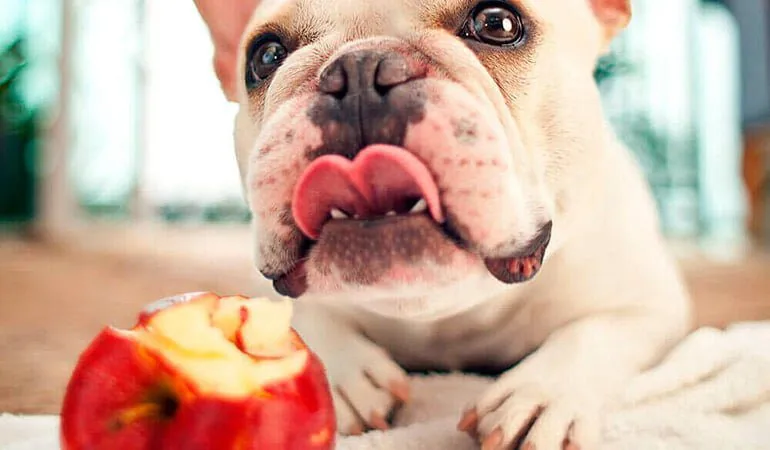
Vitamin A Included in Diet
Some foods are especially rich in this vitamin. In vegetables, it's found in the form of carotenoids, the most common being beta-carotene. Vitamin A comes from the carotenoids plant cells synthesize. When consumed, thanks to the action of an intestinal enzyme, they turn into vitamin A, which is abundant in the following foods:
- Liver / Fish oil, such as cod liver oil / Oily fish.
- Dairy, such as butter / Egg.
- Orange / Melon / Apricot.
- Broccoli / Spinach / Bell pepper.
- Carrot / Tomato / Lettuce.
Poisoning From Excess Vitamin A in Dogs
In dogs, vitamin A hypervitaminosis is very uncommon. In cats, some cases are indeed seen in individuals fed on organ meat and milk, since the belief that these are ideal ingredients for these felines' diet is still quite widespread. Of course, this is a mistake.
That said, just as with dogs, the widespread availability of commercial food formulated for cats makes it harder to find cases of vitamin A hypervitaminosis or any other hypervitaminosis.
In dogs, excess vitamin A is linked to intense itching that keeps the dog from being able to stop scratching, weight loss, and loss of appetite or anorexia.
Vitamin Supplements for Dogs
It's common to hear about the benefits of vitamins. And it's true they're necessary for maintaining health. But if we offer our dog a healthy, balanced diet, it will already get all the vitamins its body needs. Some vitamins can be consumed in large amounts with no consequences, since they're eliminated.
But there are others that can't be expelled easily, since they're excreted with difficulty. In that case, they build up in the body and can end up causing health problems. This is what happens with vitamin A. For this to happen, the animal needs to ingest a very high dose within a short time, or high doses daily over a long period.
Because of this, we should never give our dog supplements unless prescribed by the vet. Nor should we give large amounts of any food frequently, since, of course, we find vitamins in all of them. This precaution is especially important in pregnant females, since it could affect fetal development.
Loss of Vitamins From Food
It's true that vitamin A can gradually be lost over time in commercial food stored for long periods or kept in less-than-ideal conditions.
It can also be altered by temperature changes, and light oxidizes it easily. But if we use this food properly and use it within the expiration date set by the manufacturer, the right amount of vitamin A is guaranteed.
Bibliography Villagrasa, María. Nutrientes para un pelaje perfecto. Revista Ateuves nº 36. pp. 10-15 y Cóctel de vitaminas. Revista Ateuves nº 46. pp. 14-19.
IMPORTANT: This article is for informational purposes only and does not constitute veterinary, nutritional or behavioural advice. Every dog is different, and only your trusted vet can advise you on its specific needs.