 Care
Care
Gastroesophageal Reflux in Dogs
Acid or gastroesophageal reflux is a digestive condition characterized by the flow of contents from the stomach or intestine back into a dog's esophagus. These substances irritate the esophageal mucosa and cause lesions that can become very painful if not treated in time.
Gastroesophageal reflux is common in dogs, and although it can occur at any age, young dogs have a higher risk of developing it. Symptoms vary depending on how damaged the esophagus is, but generally, dogs tend to have discomfort when swallowing and can even stop eating and drinking.
What Is Canine Gastroesophageal Reflux?
Canine gastroesophageal reflux is a digestive condition characterized by the backward flow of fluids from the stomach or intestine into the esophagus (the tube connecting the mouth to the stomach).
These fluids (gastric acid, pepsin, trypsin, bile salts, and bicarbonate) cause irritation and damage to the esophagus's mucosa. This eventually triggers an inflammatory process in the esophagus, or esophagitis, which can range from mild to causing ulcers affecting deeper layers of the esophagus (submucosa and muscle layer), becoming a very painful process.
Although the incidence of this condition is unknown, it's possibly more common than clinically recognized. It can occur at any age, but young dogs have a higher risk, since their gastroesophageal sphincter is still immature.
Causes of Gastroesophageal Reflux
Canine gastroesophageal reflux can occur if there's a temporary relaxation of the gastroesophageal sphincter (the muscular opening at the base of the esophagus that acts as a gateway to the stomach), or if the dog vomits with relative frequency (chronic vomiting).
One situation in which this reflux can occur is when an anesthetic is given, since the opening between the stomach and esophagus (the gastroesophageal sphincter) relaxes. If the animal is positioned incorrectly during anesthesia, or if it wasn't properly fasted beforehand, this can favor the appearance of gastroesophageal reflux.
Another condition that can increase the risk of gastroesophageal reflux is if the dog has a hiatal hernia.
Symptoms of Gastroesophageal Reflux in Dogs
The symptoms we'll observe in a dog with gastroesophageal reflux are due to the associated esophagitis (inflammation or damage to the esophagus).
Esophagitis caused by reflux can be mild, limited to slight inflammation of the esophageal lining, or it can develop into more severe ulcerative esophagitis with damage to deeper layers of the esophagus (submucosa and muscle layer).
The main signs we can observe in dogs with reflux are:
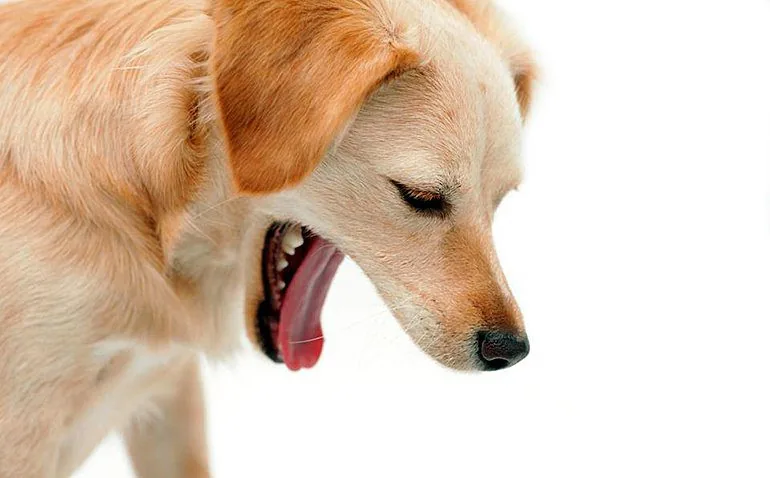
- Regurgitation: the contents of the esophagus (food bolus and mucus) don't properly move forward into the stomach and come back up through the mouth. Unlike vomiting, regurgitation isn't accompanied by retching.
- Excess salivation: we may notice the fur around the dog's mouth is constantly wet from excessive saliva production.
- Signs of pain when swallowing: the dog whines or howls when swallowing water or food.
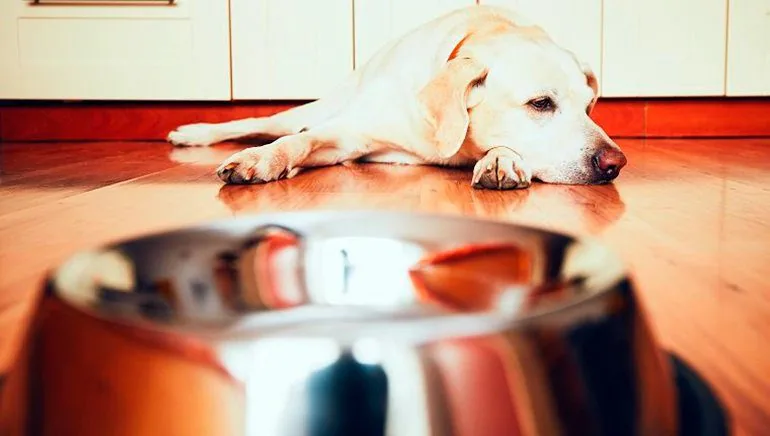
- Loss of appetite.
- Weight loss.
- Severe esophagitis can come with fever.
How Is Gastroesophageal Reflux Diagnosed?
The best method for diagnosing canine gastroesophageal reflux is endoscopy combined with a biopsy. Using a camera inserted through the mouth while the dog is sedated, the vet can assess the appearance of the esophagus's lining and take a tissue sample for analysis. Affected dogs may show an irregular, reddened esophageal mucosa, or one with active bleeding.
This is the most effective way to determine whether the changes in the esophagus's mucosa correspond to esophagitis from gastroesophageal reflux.
Treatment for Gastroesophageal Reflux
Dogs with gastroesophageal reflux are usually treated at home; only those with pronounced reflux will need veterinary hospitalization, since food needs to be withheld for a couple of days and nutrition given parenterally (intravenously).
General treatment involves switching to a low-fat, reduced-protein diet, which should be given in small, frequent meals so as not to overload the stomach. Fat in the diet is a negative factor, since it reduces gastroesophageal sphincter pressure and slows the passage of food from the stomach to the intestine, and protein stimulates gastric acid secretion, an undesirable factor for this condition.
Along with dietary treatment, a series of medications that speed up stomach emptying are usually added (prokinetics such as cisapride), agents that reduce gastric acid secretion (such as ranitidine), and mucosal protectants such as sucralfate.
Dogs generally respond well to this type of treatment, and progress is usually favorable, so follow-up endoscopies aren't necessary. As a precaution, owners should avoid giving the dog high-fat meals, since these could make the gastroesophageal reflux worse.
Bibliography Carlson and Giffin. 2002. Manual práctico de veterinaria canina. Madrid. Editorial el Drac.
IMPORTANT: This article is for informational purposes only and does not constitute veterinary, nutritional or behavioural advice. Every dog is different, and only your trusted vet can advise you on its specific needs.