 Breeds
Hovawart
The Hovawart — literally "guardian of the farm" in medieval German — is a working dog with a noble bearing and a loyalty that surprises anyone who gets to know it. After nearly disappearing in the early 20th century, the breed was rebuilt thanks to German breeders and is now recognized under FCI Group 2 as a medium-to-large utility dog.
Overview of the Hovawart Breed
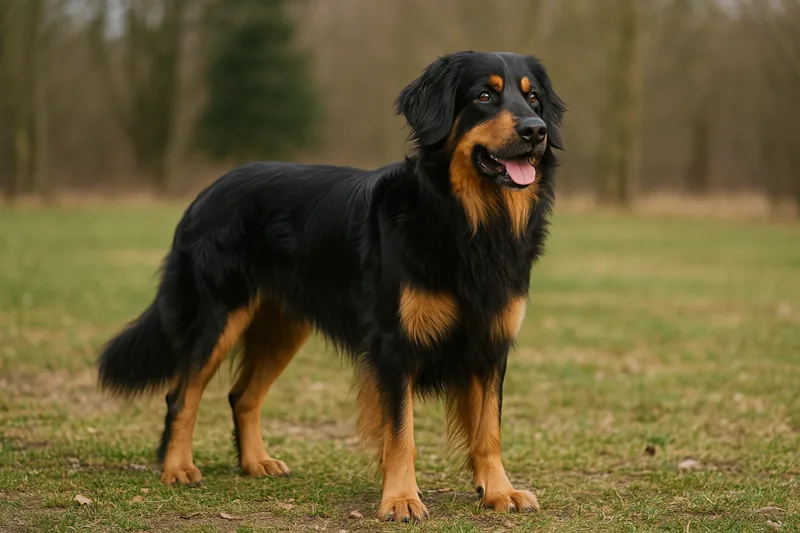
This German guard dog combines strength and balance. Its body is slightly longer than tall, with a deep chest and well-defined musculature. The coat is long, dense, and slightly wavy, in three recognized colors: black, blond, and black and tan. In males, typical height runs 63-70 cm at the withers; in females, 58-65 cm. Its expression is attentive, with dropped ears and a bushy tail that gives away its mood.
 Height between 63 and 70 cm in males and between 58 and 65 cm in females
 Weight between 40 and 50 kg in males and between 30 and 40 kg in females
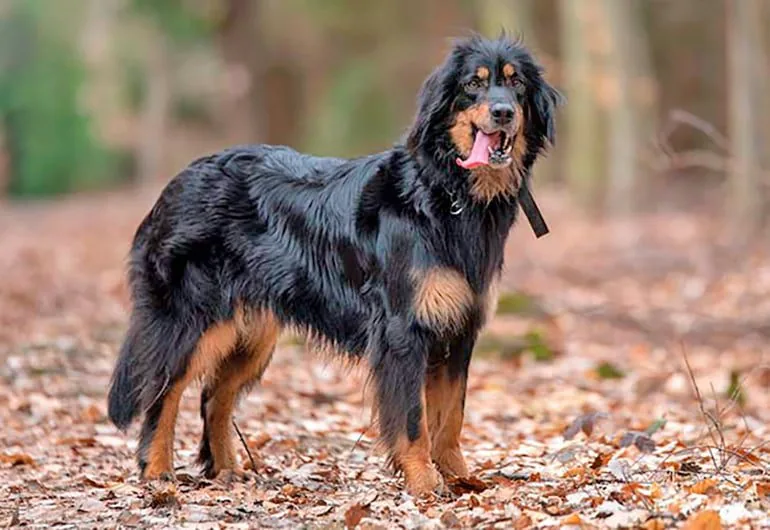
 Long, slightly wavy coat. The undercoat is fine while the outer coat is dense. It tends to thicken on the chest, belly, tail, and the back of the legs. Common colors are gold, black, or black with gold markings
 Intelligent, calm, affectionate, protective temperament
 Good health, but with a tendency toward thyroid problems
 Estimated life expectancy of between 15 and 18 years
Temperament and Behavior
If one thing defines the Hovawart, it's balance: watchful and confident when it needs to be, but affectionate with its own. It tends to be reserved with strangers without being reactive when well socialized. At home it likes staying close to family and appreciates clear routines. It tends to mature late, so patience is needed during adolescence. To bring out the best in it, positive reinforcement works better than harsh methods; it's intelligent, sensitive, and learns quickly with motivation and consistency.
Living With Children and Other Pets
As a family companion, it stands out for its gentleness and self-control. Around children it's protective, though its size means play should always be supervised and basic rules taught (no jumping on people, no pulling ears, respecting rest time). With other dogs and cats it usually integrates well if socialization starts early and continues consistently. In the city it can adapt as long as it gets long walks, mental stimulation, and quiet spaces to rest; even so, its ideal environment is a house with a yard or frequent access to open areas.
Essential Care for the Hovawart
The Hovie isn't hyperactive, but it needs a daily dose of exercise and social contact. Aim for 60-90 minutes combining structured walks, controlled play, and scent-work tasks. While young, avoid abrupt jumps or high-impact activities: the priority is building good physical condition without overloading the joints.
The coat needs regular brushing (two or three times a week), more during shedding season. Check the ears — given their dropped shape — keep the nails trimmed, and add weekly dental care. In warm climates, schedule walks for early or late hours, provide fresh water and shade; it handles moderate cold better than intense heat.
As for diet, choose complete formulas for medium-to-large breeds matched to its activity level. It's best to split the daily ration into 2 meals and allow a rest period after eating. Your vet can fine-tune amounts based on age, exercise, and body condition.
Health: What to Watch For and How to Prevent It
The breed generally enjoys good health thanks to responsible breeding, but a few points are worth watching:
-
Hip and elbow dysplasia: ask the breeder for health guarantees and watch its weight; exercise should increase gradually, especially during growth.
-
Hypothyroidism: if you notice lethargy, weight gain, or coat changes, check with your vet to rule out hormonal issues.
-
Developing joints: avoid slippery floors and repeated stair climbing/descending in puppies.
Regular vet check-ups and maintaining an ideal body condition are the best insurance policies. (Health and common issues described consistently across reference sources).
Training and Socialization
The Hovawart enjoys working alongside its handler. Start from puppyhood with rich socialization and basic obedience (sit, stay, heel, release). Practice self-control and teach it not to pull on the leash before it reaches its adult strength. It's motivated by tracking, scent games, mantrailing, and positive obedience work. Consistency in rules and schedules is key to a stable temperament.
Daily Life and Ideal Environment
This German working dog needs quality time: daily walks, interaction, and mental challenges. If you live in an apartment, plan long outings and enrichment at home (search games, Kongs, puzzles). If you have a yard, use it as a complement, not a substitute for walks. It's a loyal companion, but not a dog to leave alone for long hours without activity.
Brief History of the Breed
Documented in medieval texts as a farm-watching dog, the Hovawart was reconstructed in the early 20th century from similar-type dogs found in the Black Forest, combined with controlled breeding. Today, the official FCI standard (No. 190) classifies it under Group 2, Section 2.2 (mountain-type molosser) with a working trial.
Is It Your Ideal Dog?
If you're looking for a loyal companion, well-balanced and with a natural streak of protectiveness, and you can offer it daily exercise, training, and your presence, the Hovawart will suit you well. If you'd prefer an "easy" dog with low time demands, another breed might be a better fit.
IMPORTANT: This article is for informational purposes only and does not constitute veterinary, nutritional or behavioural advice. Every dog is different, and only your trusted vet can advise you on its specific needs.