 Training
How a Dog Seeks Attention, and What It Means
You surely know your dog's usual behaviour and daily habits inside out. How they act when they need to urinate, or when they want to go for a walk, among so many others.
But… do you really know all the things dogs are capable of doing to get attention and get their way? You'll be surprised to learn all the things they can do to get us to pay them attention.
In this SoyUnPerro article we'll show you the most common and curious canine behaviours our four-legged furry friends tend to use. If your dog does any of these… you already know what it means!
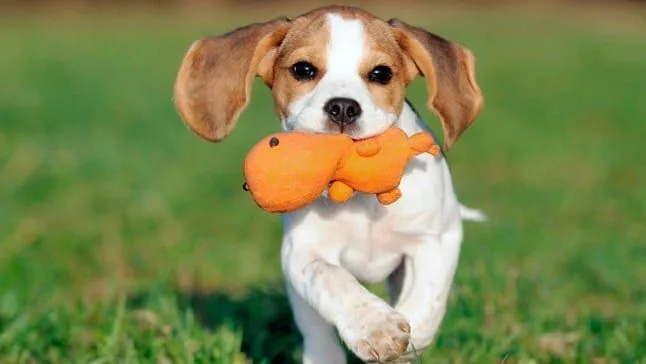
Bringing Their Toys While Chewing Them
This is probably the most common attention-seeking behaviour: seeing our dog grab their favourite toy and bring it to us while chewing it and wagging their tail.
Don't kid yourself — it means exactly what it looks like: your dog wants you to stop what you're doing and play with them for a bit, whether throwing the toy for them to run and fetch, or trying to take it off them, a kind of tug of war.
Should you play with them? Yes and no — you should pay them attention when they come looking for you and play, but not always; they shouldn't get used to you having to play whenever they want. The secret lies in balance.

Coming Over to Lick Us or Paw at Us
Our dog isn't stupid, and knows perfectly well how to get us to give them our full attention. They know that if they lick us, we'll read it as a sign of affection and pamper them a little, showing our fondness for them.
Just as they know that if they come over and paw at us, we'll laugh and ask them what they want. It's a very common way for dogs to get attention, since it tends to work.
If they lick us, we can give them a little stroke to show we've understood, and carry on with what we were doing if we want, or otherwise play with them a little. But if they paw at us, it's advisable to always give them our attention.
Crying, Growling, Barking and Whimpering
Barking is a hugely common act in dogs, since it's one of the vocal ways they have of communicating, warning or asking for something. It's entirely normal for a dog to bark, and they won't always be seeking attention, since they may simply be expressing themselves.
Even so, if our dog doesn't look at us or come over, only barking at us, they're very likely trying to get our attention. Even so, this time not necessarily to play.
There have been plenty of cases where a dog has barked at people until they followed them, to show them their child had fallen or was in trouble. Even to warn about a fire or the presence of strangers at home.
When our dog barks at us to get our attention, we should always pay them attention, with no exceptions.

Running Around the Whole House
As well as playing to burn off energy, dogs also use this curious technique to get us to pay attention to them. Running back and forth like mad things or between our legs is a common act when they want us to notice them.
A little praise while giving them some strokes will be enough for them to understand they've achieved their goal and we're paying attention to them. We can even play a bit of running around the house with them and hide so they come looking for us — have you never tried it? You'll laugh a lot.
Some people believe that when a dog repeats movements such as trying to bite their own tail, they're also trying to get our attention. This isn't the case, though — it's a sign of anxiety, stress or obsessive-compulsive disorder.
What to Do if My Dog Is Seeking Attention?
Broadly speaking, we should always pay them attention, since it's the way they communicate with us. Between dogs they use their own canine body language, and to be honest… most people don't know how to interpret it.
So for something they've learned from us… without doubt the best approach is to give them attention when they want it. Even so, as we've seen, sometimes it will be enough to give them a little attention, and other times, our full attention.
IMPORTANT: This article is for informational purposes only and does not constitute veterinary, nutritional or behavioural advice. Every dog is different, and only your trusted vet can advise you on its specific needs.