 Nutrition
How Natural Food Can Help Your Overweight Dog
More and more dogs are getting sick due to being overweight. Just as in humans, excess weight in dogs can lead to a series of health problems, such as diabetes, heart disease, and joint problems, among many others.
If your loyal furry companion has a few extra pounds, it's important to start addressing the problem as soon as possible. A good, balanced natural diet, changes to its daily routine habits, and a bit more exercise are key to success.
Before Starting, Check With the Vet
Before making any changes to your dog's diet, it's essential to check with a vet. The professional can assess its overall health and provide specific recommendations based on its individual needs.
Besides ruling out that its obesity is a secondary symptom of some disease.
Calculate Its Real Appropriate Portion
Determining the right amount of food is essential for the success of any weight loss program. We often mistakenly think we're giving too little, giving treats between meals or even pieces of our own food.
If we want our dog to lose weight properly, we need to be strict with its portions and not give in to its pleading eyes asking for food (a trick they know very well).
Introduce Natural Food Into Its Diet
A diet based on fresh, quality food won't just be much tastier for it, but will also make it feel fuller with fewer calories. Since natural food, unlike kibble, comes hydrated.
Control Vegetable and Fruit Portions
Although fruits and vegetables are an essential part of a natural diet, they need to be given in moderation due to their sugar and fiber content. Choose low-calorie options and avoid foods toxic to dogs, such as grapes and garlic.
If you don't feel confident preparing natural food menus for your dog yourself, you can always get guidance from natural canine nutrition experts like Dogfy Diet, who offer many different menus based on each dog's preferences. They'll also tell you the appropriate daily portions to reach your goal.
Avoid High-Calorie Treats
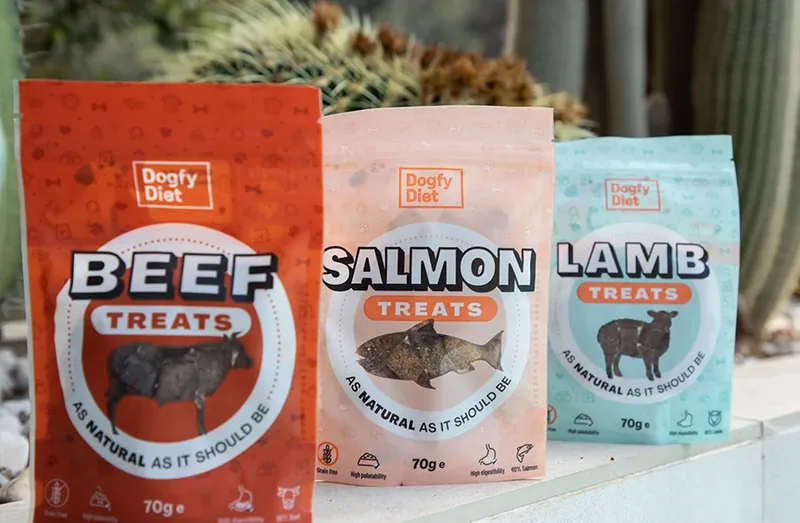
Many commercial dog treats are high in calories and fat. Choose natural, healthy treats, such as carrot or apple pieces, to avoid adding unnecessary calories to your dog's diet. Or natural treats like the ones you can find at Dogfy Diet.
Control Fat Intake
Although fat is essential in a dog's diet, controlling the amount is crucial for weight loss. Choose healthy fat sources, such as fish oil, which provides omega-3 fatty acids beneficial for health.
Maintain Hydration
Water is essential for overall health and can help your dog feel full between meals. Make sure it always has access to fresh, clean water.
Set Up an Exercise Routine
Diet alone isn't enough for weight loss. Set up a regular exercise routine suited to your dog's needs and limitations. Daily walks, play sessions, and physical activity are key.
Monitor Progress
Keep track of your dog's weight and body condition over time. Adjust its diet and exercise as needed to reach weight loss goals gradually and healthily.
IMPORTANT: This article is for informational purposes only and does not constitute veterinary, nutritional or behavioural advice. Every dog is different, and only your trusted vet can advise you on its specific needs.