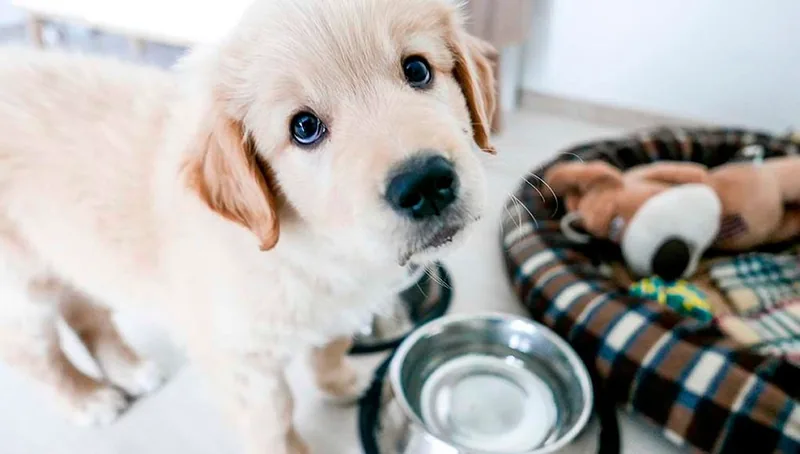
 Training
How to Get a Puppy Used to Being Home Alone
Even if you hugely enjoy your dog's company, you know that, at some point, you'll need to leave the house, and this will mean leaving them alone. To prevent destructive or unwanted behaviour, such as crying and barking, it's essential to help them manage being alone in a positive way.
And the best time to do this is while your best friend is still a puppy, when their character is more flexible and it's easier to teach them the good behaviour rules we want to see in an adult dog. To help you, today we'll tell you how to get a puppy used to staying alone. Keep reading!
How to Teach a Puppy to Stay Alone?
Well, the first thing to keep in mind is how important it is to start this settling-in process at the right time. And as we said, ideally you'd start getting a puppy used to staying alone from their fourth or fifth month of life. At this point, your new best friend will have the minimum conditions needed to start becoming independent and learn to manage being alone.
You also need to understand this process will demand patience on your part, since ideally, until reaching this age, a puppy would never have been left entirely alone. This is because it's not advisable to separate them from their mother and littermates before fully finishing the weaning period, which can extend up to their third month of life.
What's more, this process needs to happen gradually, not suddenly. That is, you'll start leaving the puppy alone for short periods of time, which you can gradually increase. If, from one day to the next, you start leaving a puppy alone for several hours, your little friend will most likely feel very insecure, and you could find a few disasters at home when you get back.
First Steps for Getting a Puppy Used to Staying Alone
If, for whatever reason, you've taken in a puppy under 4 months old, you can start their settling-in process without needing to leave them entirely alone. Even so, you should start with very gentle exercises that introduce the little one to brief moments in your absence, so they gradually get used to the idea of being alone at home.
A good idea is, while your puppy is entertained with a toy, to step away for a few minutes, going to another room, and watch how they react. This simple exercise is worth doing to encourage the little one to take on board that you stepping away for a while doesn't mean you'll abandon them. That is, so they can start understanding that, even if you leave them alone at home, you'll always come back to be with them.
As you notice the little one can cope positively with this situation, carrying on normally with their activities while you're away, you can increase the level of difficulty. Try going to another room for a few minutes without your puppy being distracted or entertained with a game, and again pay attention to how they react.
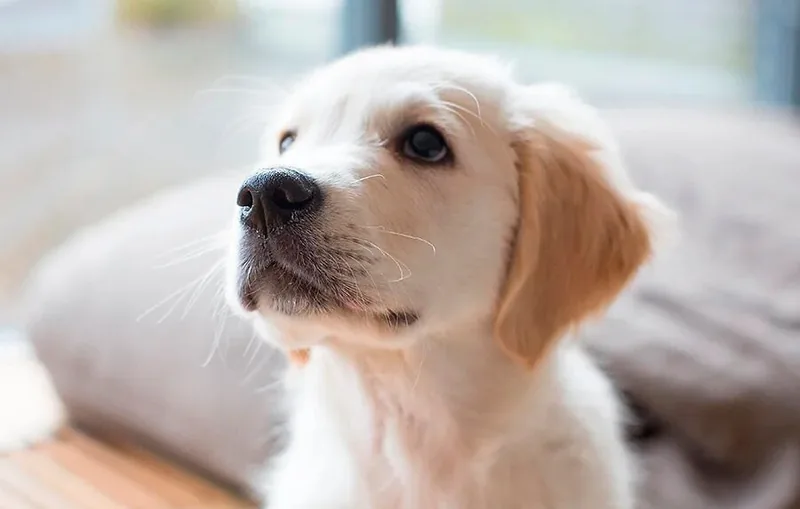
Gradually, you can increase the time you leave them alone in the room, always acting naturally, since, in fact, being left alone will become part of your dog's routine, and this is how they should take it on board — as something everyday that poses no risk to their wellbeing.
Lastly, once the little one is able to be several minutes alone in the room with no signs of insecurity, fear or nervousness, you can move to the next stage. Now, you'll need to leave the house for a few minutes, and it's best not to say goodbye before doing so, to avoid the risk of generating some tension or unnecessary excitement in this context.
Again, as your furry friend gets used to these "moments of solitude", you can increase the time you leave them alone at home. For example, start with a brief 5-minute absence, then 10 minutes, 15 minutes, until reaching 30 minutes. Even so, try not to always be away for the same length of time or at the same time of day, to avoid creating the expectation that you'll always come back once certain conditions are met.
That is, repeat this test at different times during the day (morning, afternoon and evening), and try to vary the length of your "moments of absence" throughout the day. This way, the puppy will gradually get used to the idea that you have flexible schedules, and your return home won't always be predictable.
Tips for Leaving a Puppy Alone Without Them Crying
Now that you know the basic step-by-step for getting a puppy used to staying alone at home, we also want to share some tips to prevent behavioural problems or signs of stress in your absence. Take a look:
- Enrich your furry friend's surroundings: dogs of every age need surroundings enriched with toys, chew toys, games and sensory stimulation to stay active and entertained even when alone. This is key to preventing destructive behaviour and stimulating their intelligence, besides helping combat a sedentary lifestyle.
- Set up a physical exercise routine: speaking of a sedentary lifestyle, physical activity is key not just for managing body weight, but also for balanced behaviour. Once your puppy has all their vaccines and deworming treatments, it'll be the right time to start taking them for walks and setting up a daily walking routine sufficient to meet their need to burn energy, exercise their body and stimulate their senses. The frequency and length of walks can vary depending on each dog's specific needs, but at minimum, 3 daily walks of 20 to 40 minutes are recommended. And if your dog is very energetic, you can also consider starting them in a canine sport (agility, for example).
- Leave a shelter available for the puppy: your little friend will feel safer knowing they have a secure spot to retreat to if they get scared while alone at home. Building them a "shelter" is very simple… You can buy them a "cave"-style bed, or simply use a sturdy cardboard box with a blanket, some treats and/or their favourite toys inside.
- Set their feeding schedule: although some owners prefer to always leave food available for their dogs, the truth is this isn't always ideal for encouraging good eating habits. If your furry friend understands from an early age that they have set times to eat, they won't need to be constantly "waiting" for your return to get their food. This will stop them feeling anxious, stressed or nervous… Just remember puppies may need to defecate shortly after eating, and could end up vomiting from the stress or anxiety of being left alone.
Because of this, it's best not to feed your little friend right before leaving home. Try to set a schedule that gives them a good stretch of time to eat calmly and be relaxed when you leave.
Lastly, and just as importantly, never leave very small objects, cleaning products or bins within the puppy's reach. This way, you significantly reduce the risk of them choking or ingesting foreign objects, spoiled food or potentially toxic substances.
How Long Can I Leave a Dog Alone?
Plenty of owners wonder how long a dog can stay alone, and the truth is there's no set answer. This will always depend on the furry friend's age, their training, health, and specific needs. For example, a senior dog, or one going through an illness, will need more care and attention than a young, healthy dog.
In this sense, puppies tend to be more "dependent" on their owners, since they're still settling into the home and learning social behaviour codes. What's more, their body and their cognitive and sensory abilities are in the middle of developing. Because of this, raising them takes more time, effort and patience, both for providing good food, vaccines and deworming treatments, and for teaching them the behaviours we consider desirable at home and basic canine obedience commands.
As a result, it's not recommended to leave a puppy alone for more than two hours, and ideally you'd start getting them used to staying alone from 4 months old. For adult dogs already settled into the home, this time can extend, but even so, it's not advisable to leave them alone for more than four or five hours.
IMPORTANT: This article is for informational purposes only and does not constitute veterinary, nutritional or behavioural advice. Every dog is different, and only your trusted vet can advise you on its specific needs.