 Care
Care
How to Prevent My Dog From Eating Poison?
Dogs always have their primary survival instinct switched on, which makes them eat anything they find on the street, in parks, or in the countryside. It doesn't matter if it's spoiled or could upset their stomach.
Unfortunately, many heartless people, potential psychopaths who just want to cause harm, leave out poisoned bait for dogs. So, if our dog eats it, it will get sick and very likely die. We'll show you the precautions to take to prevent your dog from being poisoned.
How Do People Get a Dog to Eat Poison?
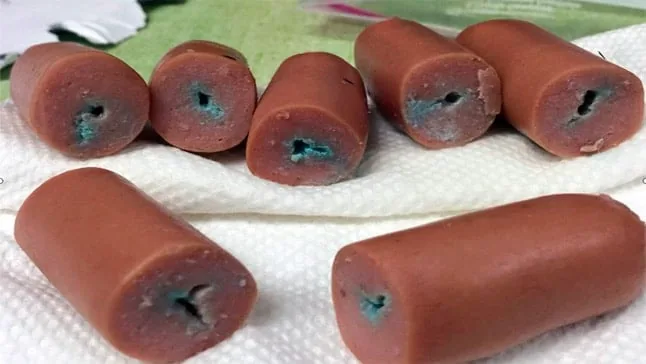
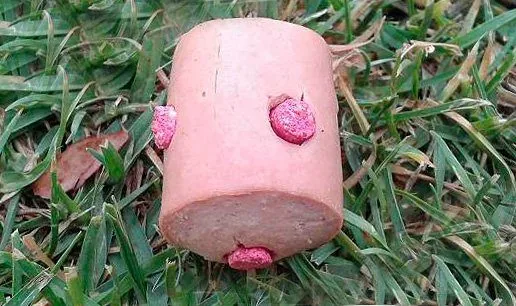
Generally, they try to fool the dog's sense of smell with bait such as sausages, blood sausage, and chorizo, foods with strong smells appealing to any pet. This way, they insert the toxic product inside, and since we already know our dogs barely chew, they swallow it all at once.
Cases have also been reported where dog treats are tampered with and placed in strategic spots in parks where we usually walk our pets.
Sometimes they don't use poison, just something sharp or cutting to cause harm. If the dog swallows it, emergency surgery will be required. Sometimes dogs show symptoms of poisoning and other times they don't, so it's best to be cautious.
If we're walking down the street and our dog finds a piece of bread, the normal thing is to let it eat it. A big mistake — it could be poisoned, never trust it. There are truly bad and twisted people out there, so it's best to feed it only at home and not let it eat ANYTHING from the street.
How to Prevent Your Pet From Eating Poisoned Bait?
As another family member, our pets need to be protected during walks, preventing them from eating possible poisoned bait. Your ability to anticipate will let you watch where it's about to walk and steer it away from possible dangers.
If it's nighttime and visibility is low, try keeping the leash short so you have more time to react to anything unexpected. It's recommended for your dog to eat before taking it out for a walk, although you shouldn't trust it too much, since some dogs are so gluttonous that, even when full, they'll try to sniff at everything they find.
Our recommendation in this case is not to eat ANYTHING — even well-meaning people can offer it food that's toxic or upsets it.
Who Uses Poison Against Dogs?
Generally, these are heartless people who simply hate dogs or animals in general. Some may even enjoy causing harm, which is incomprehensible.
One of Robert Hare's classic studies indicated that whoever mistreats animals is a potential, developing psychopath.
Some people simply give the excuse that dogs were bothering or attacking them. When this happens, all they need to do is call the local shelter or animal control to come pick them up — there's no need to poison them, it's very cruel.
What to Do If We See Someone Poisoning Dogs
When you see someone using poison to kill dogs, we need to call the police and file a report. It doesn't matter if you don't want to give your details — you can file an anonymous report by phone.
In Spain, animal abuse is a crime, which unfortunately is still not sufficiently punished, but it is punishable. In other countries like the United States, you'd need to check the legislation to see how it's treated.
However, we should always report it, since if we don't, we'll be contributing to the death of innocent animals.
What Should I Do If Our Dog Has Eaten "Something" on the Street?
Our pets are so fast that sometimes it can happen that they eat "something" we couldn't prevent — in that case, you need to watch whether they show symptoms such as:
- Salivation
- Listlessness, drowsiness, or lethargy
- Lack of coordination in movements
- Nervousness
- Excessive thirst
- Seizures
- Dilated pupils
- Bleeding
Symptoms tend to vary depending on the type of poison and the amount your pet has ingested. Although it can be difficult in these moments, it's essential to stay calm, and call the veterinary emergency service immediately — they'll tell you how to respond.
It's not recommended to induce vomiting, since if it involved sharp objects or another product that causes bleeding, we'd make the situation worse. You also shouldn't give substances such as oil, milk, or other home remedies. Remember to stay calm and call the vet, who, based on the symptoms, will recommend the best course of action.
IMPORTANT: This article is for informational purposes only and does not constitute veterinary, nutritional or behavioural advice. Every dog is different, and only your trusted vet can advise you on its specific needs.