 Care
Care
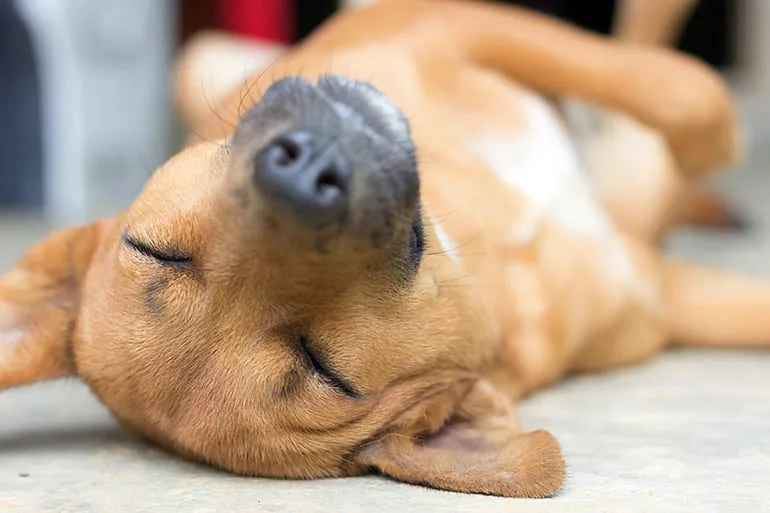
How to Tell If My Dog Is Tired
Getting daily exercise is very positive for our furry friends, but just like humans, they also get worn out. How can I tell if my dog is tired?
First, keep in mind that this state shows up after considerable physical effort, but it can also be due to emotional reasons or illness. In any case, a dog's activity level or tiredness will depend on its breed, age, temperament, and how healthy it is. Let's see how to tell.
Why It's Important to Encourage Your Dog to Rest
Resting, after intense activity, is just as important as a dog exercising daily. Here are some good reasons for that:
Avoiding Overexcitement
Curiously, dogs are a lot like children in this regard. You've surely seen a little one who, after passing a point of extreme tiredness, gets a kind of second wind and becomes hyperactive. The same thing happens with dogs.
Loss of Control
Along the same lines, when a child is too tired and becomes hyperactive, they can get irritable. The same happens to us adults and to our canine companions. If the dog is excessively tired after a long day, it can become stressed to the point of no longer being itself, even biting.
Health Problems
A very active dog that struggles to learn to relax after activity is more likely to develop joint and heart problems. A body that's always tense becomes weak and vulnerable to illness.
How Many Hours Is It Normal for My Dog to Sleep?
As we already know, dogs are animals that need to rest for many hours throughout the day, so they can easily appear tired. It's important to observe them well so we don't get confused.
Generally speaking, a dog will sleep, on average, 12 to 14 hours a day. During the rest of the time it will continue resting for 4 to 6 more hours: relaxed, but not asleep. Doing the math leaves us with about 6 hours of daily activity.
Signs That Help Tell If My Dog Is Tired
Recognizing the signs that show whether a furry friend is tired is essential for its wellbeing and quality of life. This way you'll be able to gauge the time and distance when exercising it. Rest assured it will thank you for it. Mainly you should watch for these signs:
- Lack of attention. Tired dogs have trouble concentrating. If it won't listen to you, not even for the simplest commands, give it a break.
- Non-stop panting. When your furry friend is short of breath, it will breathe quickly and in short bursts. That's why you'll see it panting nonstop.
- Sniffing the ground more often. If you notice your dog is no longer motivated and keeps its head down sniffing at anything here and there, it might be too tired to focus on anything.
- Unusual clinginess. If your four-legged friend keeps seeking you out, it wants to tell you something. It's probably tired, so offer it something to drink and calm it down with affection.
- Excessive thirst. Physical and/or emotional tiredness can cause unusually strong thirst. Notice that when there are crowded gatherings at home it may drink large amounts of water. Offer it liquid and some relaxation.
- Slowness and constant stopping. When it moves heavily and stops or falls asleep at every chance, it's clear: your companion needs to rest.
- It hides. In some cases we may come across dogs that look for a good hiding spot when the situation becomes too much for them. This is common when the tiredness is emotional, from too much social interaction (usually with humans).
When to Worry
In most cases, tiredness is a natural, temporary state that's cured with rest. However, if your furry friend doesn't recover or shows any worrying symptom, keep a close eye on it. The signs that, together with prolonged tiredness, should raise the alarm are:
- Loss of appetite
- Fever
- Shaking
- Diarrhea
- Breathing difficulties
- Apathy
- Weakness
In these cases you could be dealing with something more serious, such as anemia, an infection, poisoning, or a nutritional deficiency. Don't think twice and take your four-legged friend to the vet as soon as possible.
How to Prevent Excessive Tiredness?
Take note of the following tips to prevent excessive tiredness in a dog:
- Observe it closely and get to know its limits. This will help us optimize physical activity and manage social events where the dog is present.
- When you go on long walks with it, keep the temperature, elevation change, and expected duration of the route in mind. Don't forget to bring plenty of water.
- At the first signs of tiredness, take a break together. This will help it recover quickly so you can keep enjoying yourselves to the fullest.
- Remember every dog is different — breed, age, and temperament will be factors to consider when assessing your friend's tiredness level. If there's more than one dog, do exercises suited to everyone's pace.
- Check that your dog has all its recommended vaccines and deworm it regularly. Give it quality kibble — remember we are what we eat. Prevention is essential for your friend to stay in perfect health.
Now you're almost an expert at telling whether your dog is tired or not. Keeping all this in mind will improve its quality of life and strengthen your bond.
Don't forget to keep an eye out for any additional symptom you consider important, or if one appears suddenly. Oh! And always check with the vet if you have any doubt. Because as the old saying goes, better safe than sorry.
IMPORTANT: This article is for informational purposes only and does not constitute veterinary, nutritional or behavioural advice. Every dog is different, and only your trusted vet can advise you on its specific needs.