 Care
Care
Inflammatory Bowel Disease in Dogs - IBD
Inflammatory Bowel Disease, or IBD, is an umbrella term for a group of diseases that affect the small and large intestine. What they all have in common is the presence of persistent signs of digestive disease.
To identify the specific disease, an intestinal biopsy is needed. This test can identify the cause and allow the most suitable treatment to begin. Dogs with IBD can see a big improvement in quality of life with proper treatment.
Origin of the disease
Its origin lies in the body's own hypersensitivity reactions to antigens. It's characterized by persistent signs of digestive disease linked to inflammation of the small or large intestine. It's usually accompanied by vomiting.
What happens is that the disruption of the intestinal lining causes a failure in nutrient absorption — nutrients stay in the intestinal lumen instead of being absorbed (water is retained as a result, causing diarrhea).
Symptoms of Inflammatory Bowel Disease
Although there are several conditions that fall under Inflammatory Bowel Disease in a dog, we can identify similar symptoms across all of them. The clinical picture can be mild, moderate, or severe.
Symptoms include the following:
- Diarrhea, possibly bloody and mucousy.
- Nutrient malabsorption.
- Flatulence and gurgling stomach sounds.
- Polydipsia/polyuria/polyphagia.
- Progressive weight loss.
- Changes in appetite.
- Abdominal pain.
- Vomiting (on an empty stomach).
Types of IBD
Depending on the specific condition involved, the abundant cells found in the digestive tract (visible via endoscopy) will differ. Identifying them allows the specific disease to be pinpointed. Here are a few types.
Lymphoplasmacytic enteritis
This is the most common cause of IBD in dogs and one of the most frequent causes of vomiting and diarrhea. It's characterized by an infiltration of lymphocytes and plasma cells (defense cell types), which can be caused by: Giardia, bacterial overgrowth, regional enteritis, or lymphosarcoma.
As for symptoms, it's characterized by small intestine-type diarrhea. The stomach and large intestine can also become affected. Prognosis ranges from good to guarded. The main treatment failures are usually underdosing or a missed diagnosis.
Eosinophilic enteritis
This disease is less common. Eosinophils, a type of white blood cell, are found, and can also show up elevated on bloodwork. It frequently affects the stomach (in dogs) and large intestine (in cats). There's some predisposition in German Shepherds. Prognosis is guarded.
Granulomatous colitis
This is uncommon in small animals. It's a form of regional colitis. The cause is usually E. coli (bacteria) lodged in the colon's mucosa, causing inflammation. The pet's body tries to fight it off by forming granulomas. Symptoms include: large intestine-type diarrhea, loss of appetite, weight loss…
Lymphangiectasia or protein-losing enteropathy
The intestinal lining acts as a protective barrier that controls the movement of electrolytes and fluids across it, restricting large molecules. In this case, protein is lost into the intestinal lumen due to dilation of the lymphatic vessels in the villi. It can be congenital or acquired. Prognosis is poor.
Which dogs get Inflammatory Bowel Disease?
We've seen that some of the diseases in this group seem to have a genetic component, since they affect certain breeds at higher rates. Besides those already mentioned, the German Shepherd stands out. The long-haired variety even has its own specific enteropathy.
But this doesn't mean only purebred dogs get IBD, since any dog can be affected, regardless of breed. That said, middle-aged and older dogs are the ones that most often start showing symptoms of Inflammatory Bowel Disease.
Diagnosing Inflammatory Bowel Disease
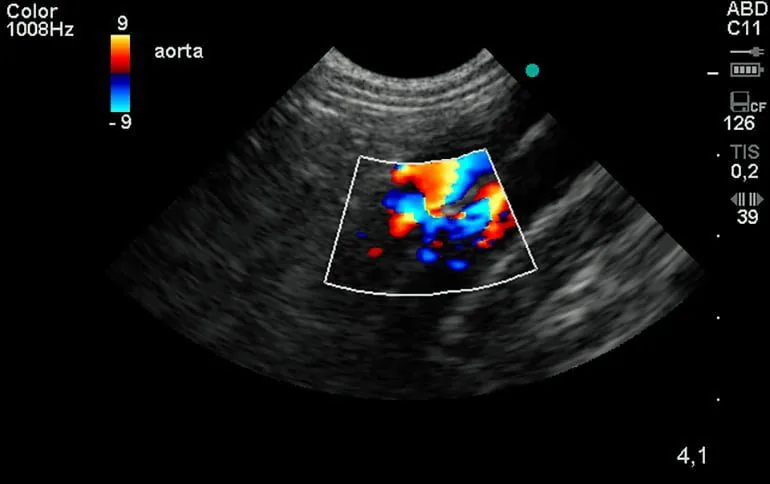
To reach a diagnosis, the type of inflammatory cells acting in the digestive tract needs to be determined. An X-ray or ultrasound can show intestinal inflammation (the latter gives much more detail).
However, only a biopsy can actually identify the disease. This involves, under general anesthesia, taking a small sample from several sections of the stomach and duodenum using a flexible endoscope with forceps, to be analyzed later in the lab. Results take several days.
Treatment
Treatment is prescribed based on the type. It's usually essential and very helpful to switch the dog to a hypoallergenic diet, which helps control symptoms. This kind of food is based on hydrolyzed protein. If the large intestine is affected, a high-fiber diet can be used.
Antibiotics such as metronidazole are prescribed for a month and a half. If there's no response to antibiotics, the next step is immunosuppressive drugs. In dogs, prednisone is used, with the dose reduced by 25% every three weeks.
Budesonide can also be used (fewer side effects, similar effectiveness). If there's no response to this, cyclosporine is used. The vet will need to keep adjusting the treatment as needed, aiming to preserve the dog's quality of life as much as possible.
Nutritional supplements
Besides dietary changes, treatment can be rounded out with dietary supplements. For example, vitamin B12 (cobalamin) stands out, since sick dogs often can't absorb it properly, leading to a deficiency.
Prebiotics or probiotics are other supplements recommended for treating these conditions. In some cases, a fecal transplant is done via endoscopy into the ileum or colon.
Stem cell research
Recent advances in veterinary medicine have shown that using stem cells appears to greatly help improve the condition of dogs with inflammatory bowel disease, always alongside a specific diet and the medications mentioned above.
In the following study, an intravenous stem cell infusion was given to eleven dogs with Inflammatory Bowel Disease (IBD). A full digestive endoscopic evaluation was done before treatment and again 90 to 120 days after, and changes to the mucosa were assessed using an endoscopic scale adapted for the purpose.
Endoscopic biopsies from each section of the digestive tract were assessed histologically according to the criteria of the World Small Animal Veterinary Association's (WSAVA) Gastrointestinal Standardization Group.
Results: No acute reactions to the stem cell (ASC) infusion were reported, nor were there side effects in any dog. Significant differences were found between pre- and post-treatment: endoscopic remission occurred in 4/11 dogs, and the remaining dogs showed reduced treatment needs. Histological (cellular) remission wasn't achieved in any dog.
In conclusion: a single IV stem cell infusion improved the gastrointestinal lesions assessed macroscopically and slightly reduced gastrointestinal inflammation as assessed by histopathology in dogs with IBD.
Can Inflammatory Bowel Disease be cured?
For the diseases grouped under this term, treatments exist that improve the dog's quality of life. But a full cure is unlikely, though the prognosis depends on the cause. IBD is considered a chronic condition that can involve relapses.
That said, you could try traditional Chinese medicine if the treatment combination described above isn't working.
Bibliography: Digestive pathophysiology from the medical pathology course. Universidad Alfonso X el Sabio, and information provided by the chronic enteropathies course at Hospital Veterinario Puchol.
IMPORTANT: This article is for informational purposes only and does not constitute veterinary, nutritional or behavioural advice. Every dog is different, and only your trusted vet can advise you on its specific needs.