 Nutrition
Is Garlic Toxic for Dogs?
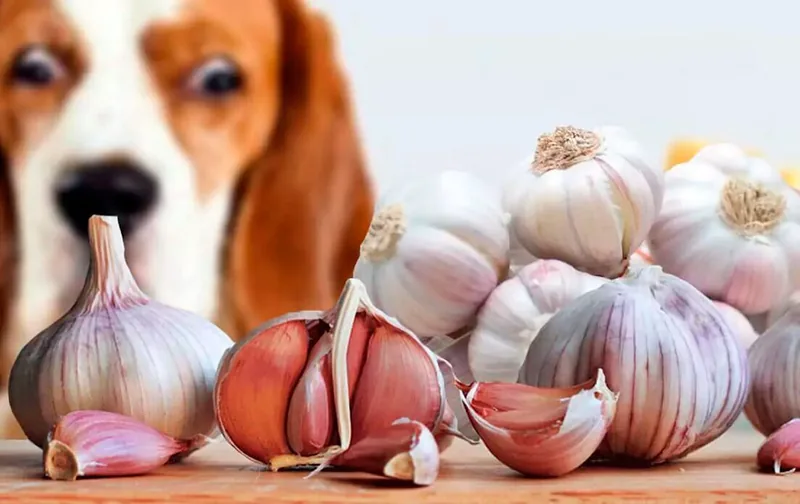
Given garlic's pleasant taste and its many benefits for human health, plenty of owners wonder whether dogs can eat it. First of all, it is essential to understand that this is a potentially toxic food for the canine body. Even so, when given occasionally and very sparingly, garlic can help us reinforce the deworming of dogs and cats.
In this article we will talk in detail about the uses and benefits of garlic in dogs, and also about the precautions you need to bear in mind before working it into your best friend's diet. Read on to find out more!
Is Garlic Good for Dogs?
Broadly speaking, garlic tends to be included among the foods forbidden to dogs, since it contains a compound called n-propyl disulfide, high concentrations of which are capable of damaging the cells of the canine body. The main study behind that prohibition, however, used very high doses of raw garlic extract administered directly into the stomach of a very small population of adult dogs (four in total) over the course of a week.
The results suggested that eating garlic could bring on a severe and fairly rare condition known as Heinz body anaemia. But to produce that adverse effect, it would be necessary to give between 1.25 ml and 5 ml of raw garlic extract per kilogram of a dog's body weight, which would amount to giving them more than 20 cloves of garlic daily for a whole month. In other words, we are talking about a dose that is practically impossible to reach in real life.
On another note, an interesting article published in the magazine Dogs Naturally reveals that giving small amounts of garlic has an antiparasitic effect in dogs. What is more, research carried out at the University of Zurich (Switzerland) has determined that garlic is toxic to dogs when intake exceeds a maximum dose of 5 grams per kilo of body weight.
Can Dogs Eat Garlic?
Well, the answer is YES! — as long as the doses are safe and compatible with their body weight and nutritional requirements. For instance, given that a clove of garlic weighs around 2 grams, a medium-sized dog weighing 10 kilos would have to eat some 25 cloves of garlic to develop symptoms of poisoning.
When eaten in a sensible, moderate way, though, this food offers our dogs numerous medicinal properties. One of them is reinforcing their protection against intestinal parasites, but there are other uses and benefits of garlic in dogs too.
The most notable stem from the fact that garlic keeps its antibacterial properties once it reaches a dog's gastrointestinal tract. In this way it acts as a natural vermifuge and digestive tonic, helping to treat and prevent parasites, gastrointestinal disorders and the proliferation of pathogenic bacteria in the gut.
Garlic also stimulates the process of purifying the blood and helps the body naturally eliminate the waste products of its physiological and metabolic processes, as well as microorganisms that can cause illness. What is more, it helps keep dogs' immune systems strong, improving their immune response to any kind of condition.
Finally, when applied topically to our dogs' coats, garlic extract or a concentrated garlic infusion can help us keep them free of external parasites such as fleas and ticks.
How to Use Garlic to Deworm Dogs
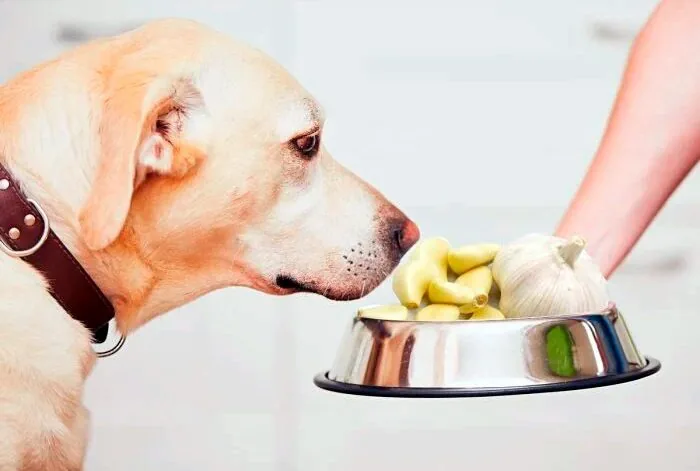
As we have seen, dogs can eat garlic, and the main benefit of eating it in moderation is to prevent parasites in their gastrointestinal tract, or to help their body expel them naturally. Certain precautions are needed when using garlic to deworm our pets, though, and to help you out, here are some useful tips:
- Favour natural garlic: the best approach is to offer your dog raw, finely chopped garlic, mixed into their kibble or into the home-made food you usually prepare for them.
- Always respect a safe dose of garlic for dogs: as a general rule, a sensible and effective dose is considered to be up to 4 grams a day, though this can vary depending on your dog's body weight and the purpose of giving it. For instance, if you are trying to make your dog eliminate parasites already present in their intestinal tract, you can give them 1 to 2 cloves of garlic for a week. If, on the other hand, you only want to prevent those parasites, you could give the same amount but less often (1 to 2 cloves of garlic, twice a week, for example).
- Watch your dog's reactions: even if you are following a safe dose, you should always pay attention to how your dog reacts after eating garlic (or any other ingredient you include in their food). If you notice any change in their stools or any gastrointestinal symptoms (nausea, vomiting, excessive wind), the best course is to stop giving it and consult a vet you trust.
- Do not give garlic to puppies under 6 months: until they complete their first 6 months of life, their blood-forming system is still maturing, so the risk of anaemia is higher and eating garlic is not safe. For puppies between 6 months and 1 year, it is recommended to give half the dose recommended for adults, always bearing their body weight in mind.
Symptoms of Garlic Poisoning in Dogs
As we have seen, a large amount of garlic would be needed for a dog to develop symptoms of poisoning. Even so, it is important that you know how to recognise them and do not hesitate to act quickly if you spot them.
On that note, the first thing to bear in mind is that the signs of garlic poisoning in dogs do not usually appear straight after eating it, but some days later (4 to 7 days, as a rule), and they progress gradually.
In most cases, poisoned dogs suffer diarrhoea, vomiting, lethargy or weakness, and their urine tends to take on a reddish colour. In more severe cases, breathing difficulties and a racing heart rate can also occur. If you spot any of these symptoms in your dog, do not hesitate to take them to the vet immediately so they can receive the right care.
IMPORTANT: This article is for informational purposes only and does not constitute veterinary, nutritional or behavioural advice. Every dog is different, and only your trusted vet can advise you on its specific needs.