 Training
Is It a Mistake to Punish a Dog by Rolling Them Onto the Ground?
Dogs are adorable, yes, but we have to admit that sometimes they drive us mad. Breaking a piece of furniture, urinating at home, or completely ignoring us when we call them are examples of situations that annoy us.
It's possible we don't know how to react, or we get it wrong, for example by resorting to the punishment of rolling the dog onto their back on the ground, also known as the "roll over" or "alpha roll". In this article we're going to explain why this isn't the best idea if we want to train them.
How to Punish a Dog the WRONG Way
First of all, we need some basic knowledge about canine behaviour and psychology before thinking about living with a dog. This will let us tell apart which behaviours are normal for this species and which need correcting. For example, it's entirely normal for a puppy to urinate inside the house.
Just like a human baby, physiologically they'll take a few months to be able to control their bladder and bowels. So punishing them for relieving themselves at home doesn't just make no sense — it will actually be counterproductive. What's more, our first reaction to bad behaviour tends to be shouting, shutting the dog away, or tying them up.
The truth is none of these actions will be understood by them as a correction for their behaviour. So not only are they not educational, but they put our bond with them at risk, since they don't understand why we're reacting this way. Far more so if we think about hitting them. Violence is always off-limits.
Dog's Belly-Up Posture
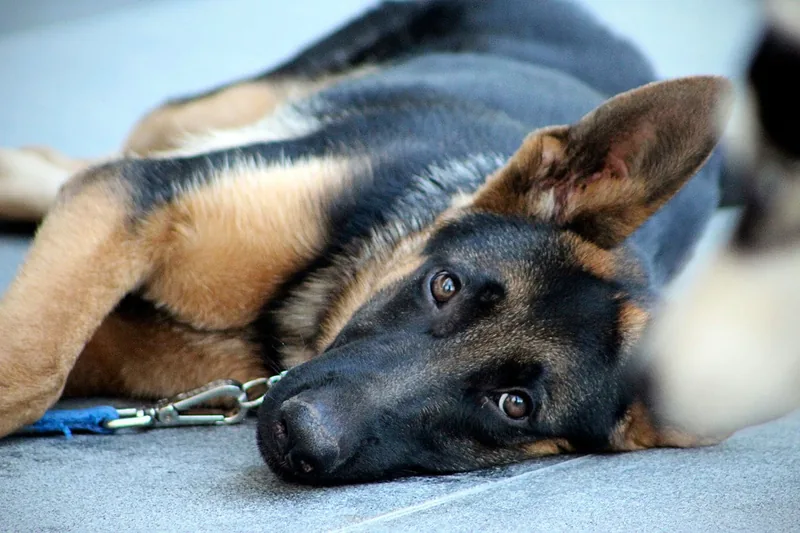
The postures a dog takes on are part of their communication system. They don't talk, but they know how to communicate perfectly, relying on postures, scents, sounds and so on. So a dog can lie belly-up in different circumstances, such as play, relaxation or submission. Depending on the context, we can interpret their intentions.
Being belly-up is linked to submission, since the dog exposes vulnerable areas such as the abdomen and neck, where vital organs are located. Even so, there's no evidence that adopting this position means the dog won't repeat an unwanted behaviour. So it doesn't work for teaching obedience.
Punishing a Dog by Rolling Them Belly-Up
Neither shouting nor shutting away nor tying up, let alone hitting, are suitable punishments for dogs. The same goes for the idea of forcing them to lie on their back. What this posture aims to do is make it clear to the dog that we're in charge and above them in the hierarchy. In other words, that we're the boss or pack leader.
It assumes the dog needs to be submissive towards us, and that the belly-up position shows that submission. The problem is that, nowadays, there's no evidence justifying these claims. First of all, dogs build hierarchical relationships between each other, but not with humans, where the relationship would be more cooperative.
What's more, the same dog can take on submissive or dominant postures depending on the context. So there are no dominant or submissive dogs, only situations. Lastly, in the wild it has never been observed that a wolf, the animal canine behaviour is extrapolated from, punishes another this way.
The Alpha Male Is a Myth
We need to bear in mind that these ideas of canine submission and dominance developed from observing wolf pack behaviour. But it's not just that domestic dogs aren't wolves — the ideas drawn from these animals' relationships have changed over time.
So the theory that the pack was led by the so-called alpha male has been questioned following new observations. The very creator of the term, biologist David Mech, has questioned its application. It seems the dominant and submissive attitudes each individual can take on point to a different social structure than previously thought.
What's more, these positions help maintain social order without resorting to violence. No wolf forces another to take on a submissive posture to make clear who's in charge. Quite the opposite — the one considered the leader will be the one receiving more voluntary submissive behaviours from the other pack members.
How Can I Train My Dog Better?
So, canine training should be based on what's known as positive reinforcement. In short, this means rewarding the behaviours we want to encourage and ignoring the ones we consider undesirable. When the dog gets a reward right when they do something we want, we're encouraging them to repeat that behaviour.
They'll understand perfectly that this is what we want them to do. To achieve it, though, it's essential to reward right at the exact moment, since it's the only way the dog can properly link the behaviour with the reward. What's more, we need to be consistent. We should set rules and always use the same commands.
For example, if we get home, our dog comes to greet us, and we discover they've broken something, the right reaction isn't to scold them, since they'll only understand we're rejecting their greeting. They won't link it to the damage. It's best to give them a command, such as sitting, reward them as soon as they obey, and clean up the mess without saying anything.
IMPORTANT: This article is for informational purposes only and does not constitute veterinary, nutritional or behavioural advice. Every dog is different, and only your trusted vet can advise you on its specific needs.