 Training
Is It Bad to Humanise a Dog?
We love our furry friends and adore pampering them. In fact, it's not unusual to talk to them as if they were a child. Watch out, though, because too much affection of this kind can be the root of a genuine problem.
Want to know why you shouldn't humanise a dog? Let's look at what canine anthropomorphism involves and how you can avoid it.
How Does a Humanised Dog Behave?
Anthropomorphism means attributing to a dog characteristics, habits or emotions that are exclusively human. Yes, they also feel joy, fear, reason, remember, and share a very special chemistry with us.
Even so, carrying them around in your arms all day as if they were a baby, or dressing them up like a princess, can make them lose their own identity and end up leaving them feeling frustrated, anxious and insecure.
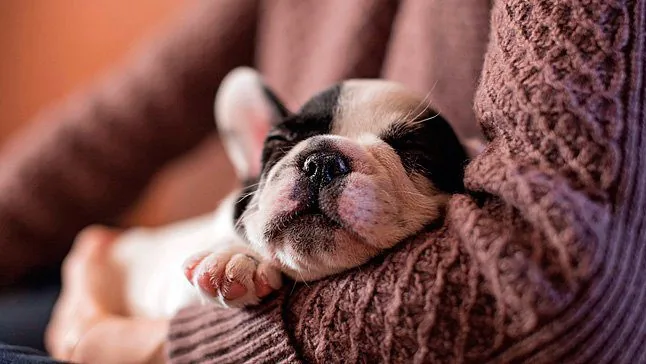
This emotional imbalance tends to lead to certain behavioural problems. The most common are:
- Excessive barking
- Destroying things at home
- Aggression towards other dogs or people
- Depression
The truth is humanisation in dogs is an increasingly common phenomenon in our society, and it has a highly harmful effect, since it stops them living a full life. That's why we need to correct not just what they do, but especially the way we treat them.
That doesn't mean we have to ignore them, or neglect their needs. The key lies in finding a balance: showing them all our love, but without forgetting our canine friends don't think through and interpret what's happening around them the way you and I do.
Tips for Avoiding Humanising a Dog
To avoid falling into this very common mistake, there's some very useful advice for preventing the humanisation of a dog. Especially these three recommendations:
- Let them behave like a dog: stopping them socialising with other dogs and suppressing their instincts isn't a good idea — it will make them fear contact with others and they won't know how to interact. This confusion and fear can make them turn aggressive.
- Get to know your breed's needs: there are dogs who, by their very nature, need to run, sniff or explore their surroundings more than others. We recommend reading up on this and encouraging activities that make them happy and help them release stress.
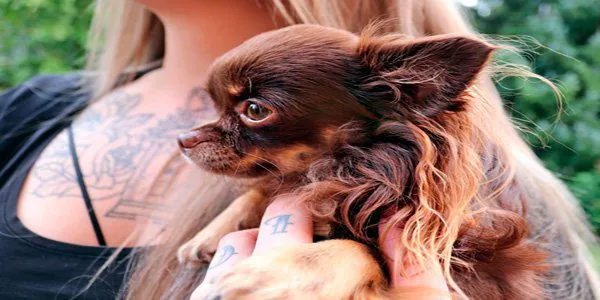
- Don't fall for trends like dog tattoos: bear in mind they can't choose, and this kind of practice can cause them entirely unnecessary pain, discomfort or infections.
Ideally, you'd bear the problems humanisation causes in mind beforehand, so you never experience its consequences. But the question is: if I've already fallen into anthropomorphism… is there still time to put it right? The answer is: yes, but you'll need to take it seriously and make a big effort for your furry friend's sake.
How Can You De-Humanise a Dog?
The first step to start de-humanising a dog is recognising that we ourselves have encouraged their bad attitudes, by treating them as if they were a child.
With this point clear, the next step will be to correct what we're not doing right and retrain them so they can regain their identity.
Some examples of how to do it:
- Stop dressing them up and putting outfits or accessories on them. If they're not strictly necessary for identification or protection purposes, it's better not to do it.
- Start setting boundaries and reminding them of these. It matters that the dog understands they can't keep acting as if they were a human, eating at the table or sleeping in the bed.
- Stop overprotecting them, to the point of never letting them leave the house for fear they'll get sick or dirty; and don't stop them doing something because you think they're "too little" or "too clumsy". This can leave them increasingly frustrated and depressed. Let them experience things for themselves and face the problems or obstacles that come their way.
- Dogs know how to clean themselves, so it's not good to obsess over their hygiene. Constant baths, cleaning their rear end, and using human colognes so they don't "smell like a dog" are unnecessary. Trust us, living in an aseptic bubble does them no good at all.
With responsibility and patience, you'll surely manage to have a far healthier bond with your canine friend. You just need to show them how important they are to you, without failing to respect their own nature.
If after a while you see the situation isn't improving, seek help from a canine behaviour expert. A professional, especially in extreme cases, can guide you through the process of de-humanising your dog. Are you ready to take on the challenge and stop falling into anthropomorphism starting today? Your furry friend will surely feel far better for it.
IMPORTANT: This article is for informational purposes only and does not constitute veterinary, nutritional or behavioural advice. Every dog is different, and only your trusted vet can advise you on its specific needs.