 Care
Care
Is Snow Dangerous for My Dog's Paws?
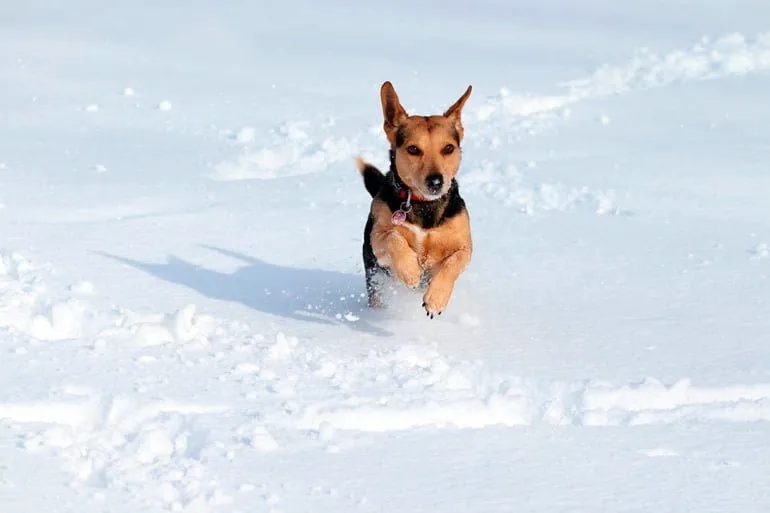
With winter's arrival, snow trips with our best friend become a common outing. That's why we shouldn't forget that this weather phenomenon can also cause severe damage to one of the most delicate parts of a dog's body: their paw pads.
Problems caused by snow in dogs' paw pads
- Frostbite: the extremities of a dog's body are the most prone to frostbite, such as the paw pads, ears, and tail. In particular, the weight-bearing surfaces are more likely to suffer frostbite due to direct, continuous contact with the snow.
- Burns: it's not just hot asphalt that can burn a dog's paw pads — exposure to the cold and dampness of snow can also cause injuries like these in our dogs, as well as making cracks and chafing more likely to appear.
- Cuts: the layer of snow forming beneath our feet keeps us from seeing what's hiding underneath it, which can cause our dogs to injure their paw pads — especially since they're softened by the moisture — if they step on broken glass or some other sharp object.
- Salt and de-icing products: it's not unusual to come across sidewalks or roads sprinkled with salt or chemical products in places where it snows. These substances can irritate the base of a dog's paws, and worse still, cause poisoning if they lick their paws afterward.
- Snowballs between the toes: in dogs with a lot of fur between their toes, it's common for small snowballs to form as they walk, making it hard for them to move around easily.
Tips to prevent snow damage
Given their curiosity about discovering new things, most dogs enjoy the snow, except the ones who feel the cold more. That said, we should take certain precautions to prevent what could be a great day in the snow from turning into a problem.
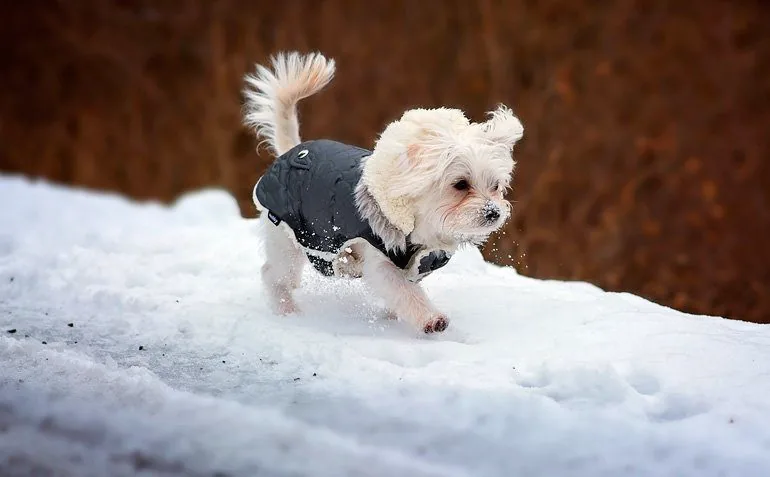
First off, just like it happens to us, it's recommended to avoid the coldest hours of the day. Depending on the dog's breed, size, age, and tolerance, we can also consider providing warm clothing to help them withstand low temperatures.
As for frostbite, burns, cracks, and cuts on the paw pads, we recommend several preventive measures:
One of the most effective practices is buying the dog some adjustable, snow-specific boots. These boots require an adjustment period, so using them around the house first is a good idea to help the dog get used to them.
On the other hand, applying petroleum jelly or creams helps protect and strengthen this part of a dog's body. Using balms suited to their skin pH moisturizes the paw pads and keeps them healthy, making the skin less prone to cuts and cracks.
As for the toxic products spread on the street, boots would still be a good option. But if our dog doesn't tolerate them, we should make sure to avoid areas we know contain these products and wash their paws thoroughly when they get back from a walk.
Besides being uncomfortable for the dog, snowballs forming between the toes increase the chances of frostbite on the paw pads. To prevent this, you can trim the excess fur between the toes and apply a little olive oil.
What to do if my dog has suffered any of the consequences of snow?
If there's poisoning, a severe burn, a very deep wound that's bleeding heavily, an object stuck in the wound, or we have doubts about how serious the problem is, we should always go to the vet.
On the other hand, if it's a small cut or superficial burn, we can treat it at home first and keep an eye on their recovery.
How to treat mild frostbite burns?
- Raise the dog's skin temperature by moving them somewhere warm and wrapping them up.
- Wrap their paws in cloths soaked in hot (not boiling) water, changing them as they cool down. It's very important that the temperature change happens gradually to avoid shock.
- If residue still remains on the burn after cleaning the area, it should be removed gently, followed by disinfecting the wound with gauze soaked in hydrogen peroxide.
- With your vet's approval, you can use a healing or moisturizing cream to soothe and heal the affected area. These products should be suited for dogs and free of alcohol or fragrances, since these would make the situation worse.
Aloe vera, in cream or natural form, can also be applied. This plant has moisturizing, regenerative, healing, antiseptic, and pain-relieving properties that will help speed up recovery from burns and other injuries, like cuts.
- Since this is an area in direct contact with the ground, exposed to chafing and infection, the injury should be covered with a bandage. It's also recommended to protect the paw with a sock or boot for extra protection when they go outside.
- Clean the paw pad with saline solution and change the bandage two or three times a day.
- Paw pad tissue heals slowly, so you'll need to make sure at all times that your pet doesn't lick the wound, using an Elizabethan collar if necessary.
- Regularly check the burn or wound to monitor recovery. If it doesn't heal or improve, go to the vet.
How to treat superficial cuts and wounds?
1. Wash the wound with warm water and a soap suited to their skin pH, or hydrogen peroxide to disinfect.
2. Remove any residue left in the wound and assess how serious it is. If it looks like a deep cut, apply pressure to the wound to stop the bleeding and go to the vet to check whether stitches or other treatment are needed.
3. Follow steps 4, 5, 6, 7, and 8 detailed above.
IMPORTANT: This article is for informational purposes only and does not constitute veterinary, nutritional or behavioural advice. Every dog is different, and only your trusted vet can advise you on its specific needs.