 Care
Care
Lyme Disease in Dogs (Borreliosis)
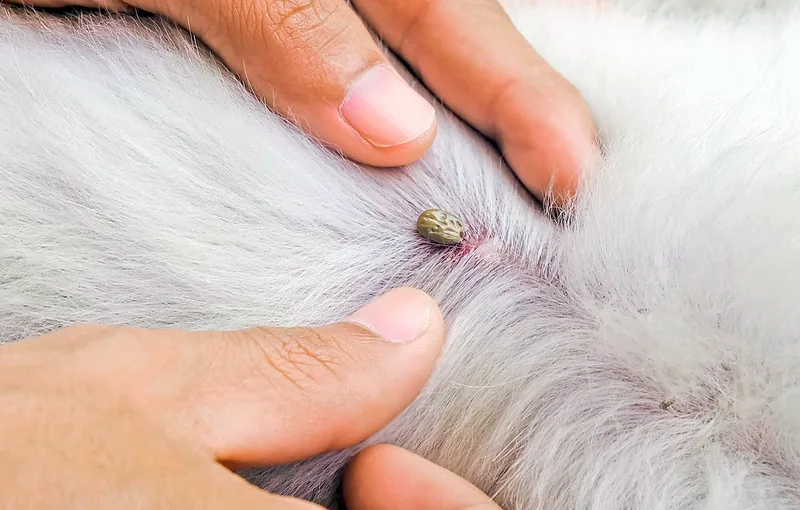
A tick bite can be the origin of numerous conditions, some really serious. One of them is Lyme disease (Lyme Borreliosis), popularly known as "tick disease."
This disease is caused by a bacterium called Borrelia burgdorferi, introduced into the dog's bloodstream through a tick bite (normally from the Ixodes species). The disturbances this bacterium causes in its body are numerous and serious if not treated properly. Let's look at all the details.
Symptoms of Lyme Disease in Dogs
Lyme disease is fairly common in wooded, cold areas such as Nordic countries in Europe, Asia, Australia, the United States, Canada, but also in Spain and Mexico. It has no predilection based on breed, sex, or age. It can affect people, although there aren't many cases (8 cases per 100,000 people in the US).
Symptoms can take weeks to months to appear and don't all need to occur at once. However, limping does tend to appear frequently. The symptoms that should put us on alert are:
- Fever
- Limping (since it causes joint inflammation)
- Swelling at the bite site
- Loss of appetite
- Stiffness
If the infection is at an advanced stage, heart problems (inflammation) and kidney problems can also appear, which can even put the dog's life at risk. To avoid reaching these extremes, it's best to take it to the vet at the slightest suspicion.
Diagnosis
Diagnosis is based on a clinical history taken by the vet (areas the dog has been, presence of ticks in previous weeks…). A urinalysis and joint X-rays can be done in case there are signs of degeneration.
There usually aren't changes in bloodwork, but an ELISA-type serological test can be run to detect whether the body has produced antibodies against this bacterium (these can take weeks to appear).
Once the correct diagnosis is made, treatment is straightforward and fairly effective.
What Is the Treatment for Lyme Disease?
The treatment vets recommend involves giving an antibiotic (tetracyclines such as doxycycline) for a month, although depending on the severity and symptoms of the infection, it can extend longer.
In most cases, the antibiotic will be enough to stop the infection. The vet can also recommend some type of painkiller or anti-inflammatory to relieve pain.
Vaccination
There are also vaccines available that can help prevent humans from catching Lyme disease. However, in dogs, consistent annual prevention against external parasites is more effective.
That said, prevention in other countries where this disease is more common may be different, so you should always check with the vet in your area, since disease prevalence varies by country.
Can My Dog Give Me Lyme Disease?
Dogs don't represent a direct source of transmission for people. In fact, Lyme disease isn't transmitted between dogs living in the same house, nor can it be transmitted from a dog to a human.
The only thing we need to worry about is tick bites, so it's essential to check our dog's fur (these species are very small and hard to see) and the places the dog may have come into contact with these parasites.
When our dog is diagnosed with Lyme disease, it's very likely we've also been exposed to this risk (although wearing tall boots protects us during hikes through grassy fields where our dog may have gotten infected), so it's a good idea to check with our doctor.
How to Protect Our Dog
The most common places where ticks carrying Lyme disease thrive are wooded and shrubby areas, as mentioned earlier.
Once these areas are identified, obviously we should avoid them, although prevention is possible. Here are some recommendations:
- Check our dog's fur, especially after walks outdoors.
- See our regular vet clinic for frequent, regular check-ups.
- Keep our yard clean and free of weeds or overgrowth.
- In grassy areas, wear tall boots, preferably light-colored so ticks are easier to spot.
- Use anti-parasite products against ticks and other ectoparasites.
If, despite all this, we find a tick on our dog, it needs to be removed immediately. But if we're not sure how to do it, it's best to leave this task to the vet, since doing it wrong can worsen the problem instead of solving it.
IMPORTANT: This article is for informational purposes only and does not constitute veterinary, nutritional or behavioural advice. Every dog is different, and only your trusted vet can advise you on its specific needs.