 Care
Care
Physical Therapy for Dogs
Thinking that taking our dog to "physio" is more of an indulgence than a necessity is a serious mistake. We need to understand that dogs can suffer from joint, muscle, or neurological conditions very similar to ours, and just as no one would think it acceptable for a person with mobility problems or an injury to go without a physical therapist, we should apply that same mindset to pets.
Veterinary physical therapy isn't just giving our dog a massage for fun — it's a specialty that uses the most advanced techniques to relieve joint or muscle pain, treat injuries, or rehabilitate after orthopedic or neurological surgery, so the dog can get back to their normal activity and enjoy a good quality of life.
If we notice our dog limping or becoming more sedentary over the years, we shouldn't just assume they're getting older and that it's normal — with physical therapy, we can improve their quality of life even if they're a senior dog.
What does physical therapy for dogs involve?
Beyond what we might think, veterinary physical therapy is much more than giving dogs massages. It's a specialty within veterinary medicine that involves applying various non-invasive physical techniques aimed at relieving joint or muscle pain, treating injuries, or rehabilitating after orthopedic or neurological surgery, with the goal of the animal regaining function and enjoying an optimal quality of life.
What techniques does veterinary physical therapy use?
In veterinary physical therapy and rehabilitation, everything from the most traditional techniques, such as massage or acupuncture, to innovative therapies like laser therapy, ultrasound, or magnetic therapy is used.
- Manual therapies: include a wide range of massage techniques, joint mobilizations or manipulations, myofascial release, stretching, etc.
- Equipment-based therapy: the use of therapeutic machines such as ultrasound, laser, magnetic therapy, electrical stimulation, etc., is used alongside manual therapies to relieve pain and inflammation, among other effects.
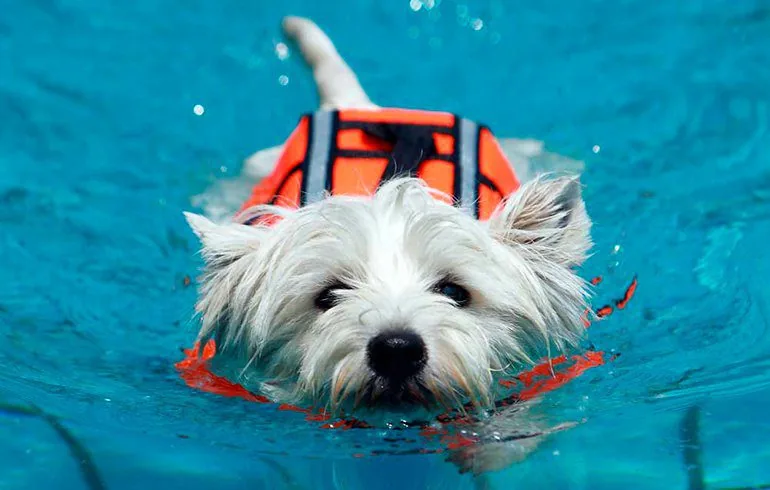
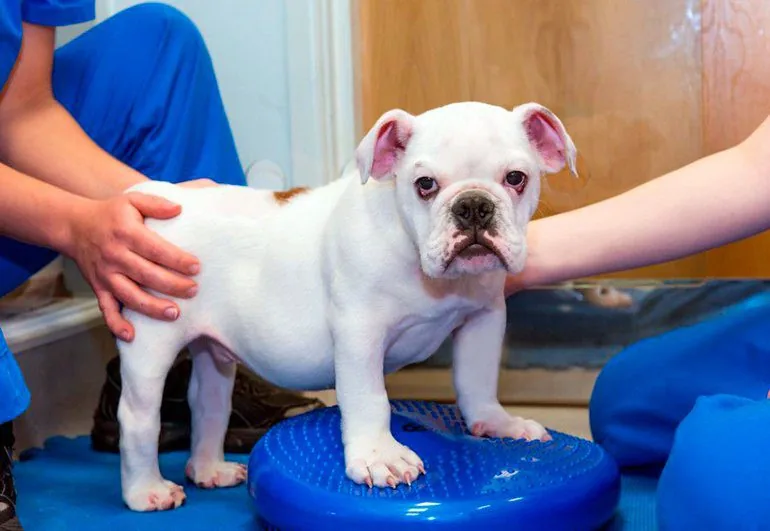
- Therapeutic exercise programs: exercise programs are designed specifically for each case and are used to help restore correct movement patterns and improve muscle strength, endurance, proprioception (the animal's awareness of where their limbs and body are in space), balance, and flexibility, as needed. Exercises can also be done in water (hydrotherapy), building muscle without straining injured joints.
- Management advice: owners often need additional guidance on how to manage an injured dog therapeutically, or on adapting their environment to their pet's needs (non-slip flooring, raised food bowls, etc.). This can be especially useful for older animals or those who've recently had surgery.
What can physical therapy treat?
Veterinary physical therapy can be used for the treatment or long-term management of many musculoskeletal or neurological injuries and conditions. It can help an animal's rehabilitation, aiming to reduce pain, improve movement, and restore normal muscle control and function. Physical therapy can also be used to improve the physical performance of competition or working dogs, helping minimize injury risk.
Although vets specializing in physical therapy and rehabilitation focus on treating conditions of the musculoskeletal and nervous system, we don't just treat specific conditions — our goal is to improve the animal's overall quality of life.
To help explain our work with patients, let me give a simple example: a dog diagnosed with hip dysplasia comes to our physical therapy clinic. The diagnosis has already been made, but what we do in our clinic is assess and determine how that disease is affecting that particular patient's quality of life, and design a specific treatment plan to improve not just the condition itself, but its impact on overall health.
Because of hip pain, that dog will be shifting more weight onto their front legs to take pressure off the affected area, which will lead to muscle tightness and overload in the front legs and neck, and, on top of that, the dog will likely move less due to the hip pain, which can trigger obesity and early-onset osteoarthritis.
So, for this patient we'd apply therapies to relieve hip pain and improve their range of motion, but we'd also treat the tightness and overload in the front part of the body, and set up an exercise plan to build muscle and lose weight, so we'd manage to improve the patient's overall health and maintain that improvement over time.
What conditions can we improve with veterinary physical therapy?
Any dog can benefit from the effects of physical therapy, since even without a specific musculoskeletal condition, due to poor posture, leash pulling, jumping, etc., practically every dog has some kind of muscle tightness or strain that can be resolved with physical therapy techniques.
But usually, the patients we typically see at the physical therapy and rehabilitation clinic are referred by their primary vet or orthopedic specialist for a diagnosed musculoskeletal or neurological condition.
Some of the conditions we most commonly treat with physical therapy are:
- Hip and elbow dysplasia.
- Osteoarthritis or joint degeneration.
- Tendon or ligament injuries (sprains).
- Slipped discs.
- Post-surgical rehabilitation (torn knee ligament, hip replacement, slipped disc, etc.).
- Rehabilitation for neurological disorders.
- Obesity.
How much does a physical therapy treatment cost?
Physical therapy isn't a life-or-death treatment, but it helps dogs regain mobility and improve their quality of life. There are animals with musculoskeletal problems who are truly in a lot of pain, and pain medication alone isn't a long-term solution. Because of this, we shouldn't think of physical therapy as a luxury treatment, but as an investment in our dog's quality of life.
Generally, physical therapy sessions for dogs last at least an hour, and this time can extend depending on whether manual techniques or equipment are combined with therapeutic exercises, which take more time.
Rates per session vary, but as a general guide, the price of a one-hour treatment session usually ranges between 35-50 euros.
As for how often sessions are needed, it varies by case; but generally, at least one session a week is initially recommended, until enough improvement is seen to space sessions further apart or discharge the patient.
IMPORTANT: This article is for informational purposes only and does not constitute veterinary, nutritional or behavioural advice. Every dog is different, and only your trusted vet can advise you on its specific needs.