 Care
Care
Prostate Problems in Dogs
If we live with a male dog, we should know it can also have prostate problems, an accessory gland that female dogs don't have. In this SoyUnPerro article, we'll look at what conditions affect it and how we can treat them.
What Is the Prostate?
The prostate is an accessory gland that completely surrounds the dog's urethra, at the outlet of the bladder. Its upper area can be felt through a rectal exam. Its function is producing part of the seminal fluid, hence its link to the reproductive system and reproductive hormones.
So, the problems the prostate can develop are linked to urinary or hormonal disorders. These diseases are benign hyperplasia, prostatitis, and prostate cancer. Symptoms are related to this gland's location.
Enlarged Prostate in Dogs
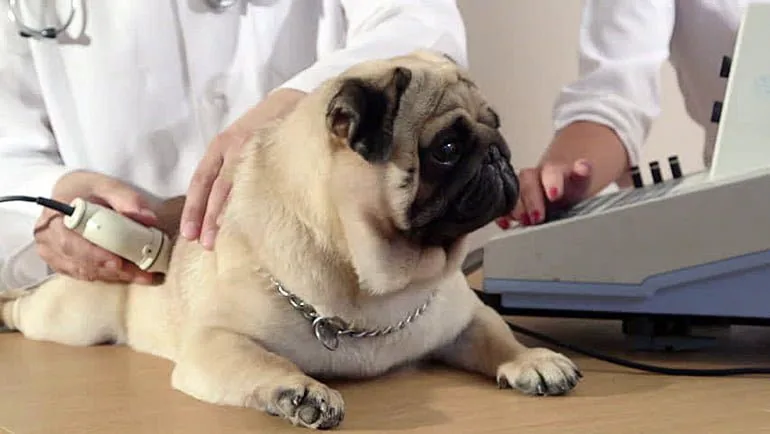
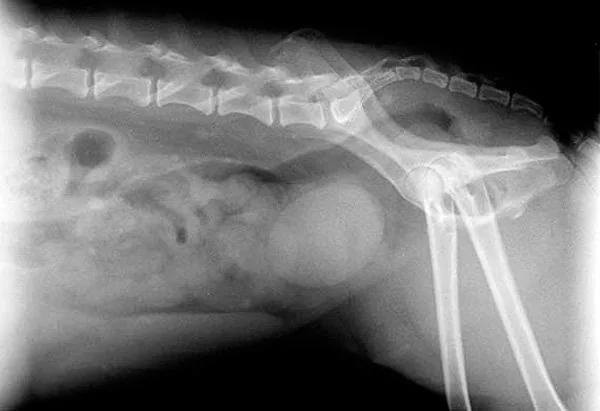
The vet, through a rectal exam, can detect whether the prostate is enlarged or not. In this exam, besides size, the professional detects the gland's position and texture. Ultrasound is another test that will provide information.
An increase in prostate size can be due to the disorder known as benign prostatic hyperplasia. This condition is hormone-related, being influenced by testosterone.
That's why it mainly affects intact males, meaning those that haven't been neutered, from roughly five years of age onward, becoming more common in older dogs.
Prostate growth makes it extend backward, and this way, it can end up pressing on the rectum. This causes the dog to become constipated or strain while defecating. In addition, the stool will take on a characteristic flattened shape. This situation can lead to fecal impactions.
A fecal impaction consists of a mass of stool that's hardened in the rectum or colon. The narrowing an enlarged prostate causes in the rectum explains its formation.
It's less common for the prostate to push forward, which, instead of the rectum, would put pressure on the urethra. In that case, the dog would have trouble urinating. In addition, this urine can contain blood, known as hematuria.
Since benign hyperplasia is linked to testosterone, neutering resolves the problem. It's the treatment of choice in most cases. After surgery, within a short time, prostate size decreases and symptoms disappear. Medication could also be prescribed, but its possible side effects need to be considered.

Prostate Cancer in Dogs
This is another cause of prostate enlargement, though luckily very uncommon in dogs. Unlike what happened with hyperplasia, which was linked to the hormone testosterone, this cancer doesn't share the same hormonal link. This means neutering doesn't influence whether this cancer appears or how it progresses in these cases.
The treatment of choice is surgery. Keep in mind that diagnosis is often reached once the disease is already quite advanced. This worsens the prognosis and complicates surgery.
Canine Prostatitis
Prostatitis is caused by a bacterial infection, often following cystitis. On palpation, the prostate feels large, swollen, and soft. Acute prostatitis will be responsible for symptoms such as the following:
- Fever, from the infection
- Listlessness — the dog will seem apathetic
- Vomiting
- Diarrhea
- Pain while urinating
- In some cases, we'll see the dog with an arched back and tucked-up belly due to the pain
- Discharge with pus or blood may come out
Prostatitis can also become a chronic disease. The dog will have recurring flare-ups. This type of prostatitis can leave the animal infertile. Diagnosis, as with hyperplasia, is made through palpation and ultrasound. Samples of prostate secretions can also be taken for culture or cytology.
Treatment will consist of starting the appropriate antibiotic. The problem with the prostate is that, when swollen, the antibiotic will struggle to take effect. That's why treatment needs to be extended. Afterward, it's a good idea to repeat the culture to confirm whether the infection is resolved or not.
Neutering can also be recommended in these cases. First, because it prevents benign hyperplasia from developing, which encourages bacterial prostate infections. The prostate atrophy that occurs after neutering is also beneficial, helping prevent prostatitis.
Sometimes prostatitis becomes complicated. One of these complications is the appearance of an abscess, meaning a buildup of pus, in this case in the prostate. If this happens, surgery will be necessary.
IMPORTANT: This article is for informational purposes only and does not constitute veterinary, nutritional or behavioural advice. Every dog is different, and only your trusted vet can advise you on its specific needs.