 Training
Separation Anxiety in Dogs
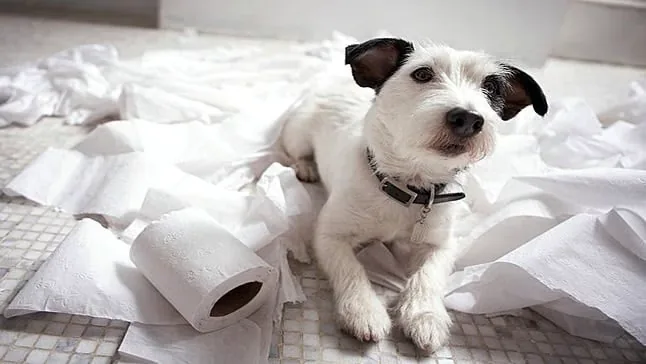
There are plenty of cases where, when we part from our beloved four-legged companion, they start crying, barking, howling, relieving themselves inside the house, or simply destroying whatever's in their path. It's not an isolated behaviour — it's a result of the stress caused by separation from their owner.
Fixing this behaviour isn't actually difficult, though it does take some work. We need to devote time and patience to it, along with following the advice below so our dog stops suffering the stress that harms them so much.
What Is Separation Anxiety?
This is the name given to certain behaviours our dogs develop, which happen whenever we part from them. Their age doesn't matter (though it generally happens more in puppies), nor their breed, nor whether they're at home, in a garden, or somewhere away from their natural surroundings… the symptoms are always identical or very similar.
The anxiety our dog suffers when we part from them is what triggers this kind of behaviour. From constant barking for several hours, howling or whimpering… to serious destruction of their surroundings.
We need to understand this isn't something the dog does because they enjoy it — they actually have quite a hard time in these circumstances. That's why we need to devote a bit of time, plenty of patience and affection to teaching them to correct this behaviour, starting with our own behaviour.
My Dog Destroys Everything When I Leave Them Alone — Anxiety or Excess Energy?
It can actually be both, or a mix of the two. When our dog is left alone and gets bored, they either sleep or play and entertain themselves on their own.
But when this play turns into serious destruction inside the house or in the garden, we need to act and correct it. Separation stress can lead to this destruction we're talking about, whether from boredom mixed with anxiety over the separation itself, or to get our attention and show their unhappiness at being left alone.
Excess energy can also lead to overly enthusiastic play inside the house or in the garden, resulting in destruction. By putting the advice we detail below into practice, we can correct this behaviour whatever its source.
Main Symptoms
If, when we leave our dog alone at home, we notice some of these symptoms, our dog may be suffering, or starting to suffer, from separation stress.
We'll mainly notice these in puppies, though they can happen at any stage of their life. We need to remember these acts are symptoms of anxiety and fear, not something they do deliberately.
They may show one of these symptoms, several, or all at once.
- Nervousness
- Excessive restlessness
- Whimpering/drooling
- Barking, howling or whining
- Vomiting
- Destruction at home
- Incontinence
How to Prevent and/or Fix Separation Stress
There are several factors to bear in mind when starting to work on separation stress: consistency, patience and willingness. All these factors depend solely and exclusively on us, so if our dog takes longer than expected to correct their behaviour, we need to look at what we're doing wrong (not our dog).
Some dogs take two or three weeks to correct this behaviour, while others take a few months — we need to be patient, and we'll get good results.
- Exercise and/or walking: Before leaving our dog alone at home, especially when we'll be out for several hours, we should take them out to relieve themselves and burn off energy. We can go for a good walk or run (or cycle/skate) with them — what we're after is tiring them out a bit so they're calmer at home.
- Ignoring them when leaving: Before leaving the house, we shouldn't say goodbye to our dog, sing to them, or even look at them. We'll simply leave the house and go, entirely calmly, but if we really want to say goodbye… we can do it around twenty minutes before we go, so we don't need to do it right as we leave.
- Ignoring them when arriving: When we get home, we should also ignore our dog, for at least a couple of minutes. Once that time has passed, once we see they're calm, we can greet them.
- Breaking routines: Going in and out of the house several times throughout the day is a way of breaking their routine. Obviously we'll go out, wait a minute or two, and come back in, all without our dog and ignoring them entirely.
- Distracting them: Some toys, such as the so-called "Kongs", are highly recommended for distracting our dog so they don't get so nervous. These toys let you put food inside (home-made or dog food), so our dog will be very entertained with the toy trying to get the food out.
Are There Alternatives for Correcting This Behaviour?
If we don't have the means, time or patience to put this advice into practice and fix the problems mentioned, we can also see a vet specialising in ethology.
A vet specialising in ethology is somewhat like a psychologist for humans, able to detect the source of the problems and tell us specifically how to fix them. It's highly advisable to see a vet specialising in ethology whenever we spot behavioural problems in our dog, whatever they are.
What's more, if necessary, the vet specialising in ethology could even prescribe some mild medication to help our dog suffer less anxiety and fear. Once the problem is fixed by doing the relevant exercises, the medication could be withdrawn.
IMPORTANT: This article is for informational purposes only and does not constitute veterinary, nutritional or behavioural advice. Every dog is different, and only your trusted vet can advise you on its specific needs.