 Nutrition
Suitable Foods for Dogs With Diarrhea
It's a common ailment among dogs that can compromise their health. We're talking about diarrhea, an upset that needs to be treated with a good diet and by making sure your furry friend drinks plenty of water to stay hydrated. Want to know which are the best foods for dogs with diarrhea? Take note.
Astringent Foods Suitable for Dogs
Canine diarrhea can have various causes, from an intestinal bacteria to poisoning or a food allergy. Once we've identified the problem, the goal is to make it stop. And the main way to achieve this is through food.
However, as a first step, a 24-hour fast is recommended. During this period, you should prevent the dog from eating any type of food. It's essential that it drinks water, even if it initially throws it up. If it doesn't drink on its own, you can help it with a syringe.
After a day, if there's been some improvement, you can start giving it a bland diet. The main astringent foods suitable for dogs are the following:
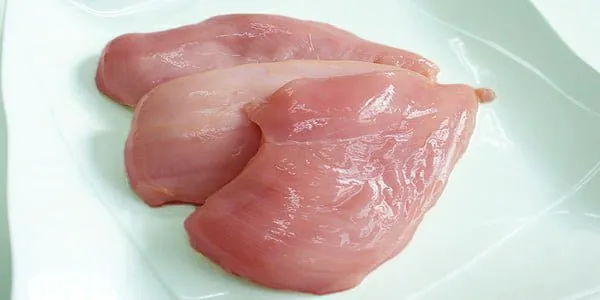
- Chicken or turkey. Both are low-fat meats, which will help it recover. Being weaker, it doesn't tolerate heavy food well.
That's why, besides the type of food, how it's prepared is key. Try to feed it lightly cooked chicken or turkey, with no salt and no bones at all. You should split it into small portions you can give throughout the day.
- Rabbit. This is another type of meat suitable for dogs with diarrhea. You can alternate it with chicken. It should also be prepared with no seasoning at all and using as little oil as possible.
- Fish. A good option in these cases is steamed hake. This food will help it generate new protein and regulate fluids.
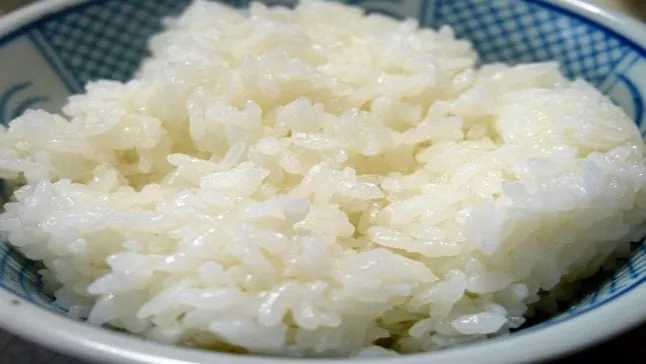
- Boiled rice. This is a grain with many properties, including astringency. In fact, it's one of our best allies for stopping diarrhea.
It contains a substance that helps it improve, reducing how often it goes. It's ideal to mix it with white meat or fish. You can also make a thick rice soup.
- Broth. Another option for a more liquid diet is a homemade natural chicken broth. For this, you can boil the chicken in water and let it cool down a bit. It's a good way to hydrate it and stimulate its appetite until it tolerates solids better.
- Apple. It has digestive and astringent properties, making it a good fruit for treating diarrhea and stomach problems. In addition, it has a high vitamin C content and anti-inflammatory properties. Just remember to remove the core with the seeds and the skin.
All these foods will gradually let the dog's body reach the right levels of nutrients, minerals, and fluids. Split this food into several feedings and, if it's very weak, blend everything well until it becomes a puree.
Remember: If our dog is listless, apathetic, or shows any unusual symptom or behavior, it will be absolutely necessary to see the vet.
What You Shouldn't Do If Your Dog Has Diarrhea
Although to improve its vitamin intake you can supplement these foods with some vegetables and other fruits, remember not all of them are suitable. Avoid any citrus fruit or leafy green, and if you choose foods like pumpkin or carrot, don't serve them raw — cook them so they're more digestible.
Also don't use onion or leek in your preparations. Remember that avocado, grapes, raw potato, and raisins and seeds are also forbidden foods.
In addition to being careful about the type of food it eats, if your furry friend isn't feeling well, don't force it to eat it all, and don't give it large portions of food either. Try to have it eat 4 or 5 times a day in small amounts to prevent overeating. Little by little you'll see it start to feel better.
Normally, a bout of diarrhea usually lasts two to three days. If you see it goes on longer and doesn't improve, don't hesitate to take it to the vet so they can check its condition and diet. In addition, the expert will be able to examine it and treat it with other means when diet alone isn't enough to relieve diarrhea and stomach discomfort.
IMPORTANT: This article is for informational purposes only and does not constitute veterinary, nutritional or behavioural advice. Every dog is different, and only your trusted vet can advise you on its specific needs.