 Breeds
Types of German Shepherd and Their Characteristics
There's a lot of debate about the different types of German Shepherd and their characteristics. While some people prefer to tell varieties apart by coat color, others classify these dogs based on where they were bred.
Both approaches can be considered valid, since they describe existing, recognized German Shepherd varieties found around the world. Want to know everything about them? Let's take a look!
How Many Types of German Shepherd Are There?
There are various ways German Shepherds get classified. To start, we can talk about:
- Companion German Shepherd
- Working German Shepherd
These varieties also include a further classification:
- American show-line German Shepherd
- West German show-line German Shepherd
- East German working-line German Shepherd
- West German working-line German Shepherd
- Czech working-line German Shepherd
Another classification divides the German Shepherd by coat color. Under this system, we'd have the following types:
- Sable
- White
- Panda
- Black
Below, we'll show you the characteristics of each of these types.
Types of German Shepherd by Function
Some people divide the German Shepherd based on the role they perform, since this means they're bred and trained differently.
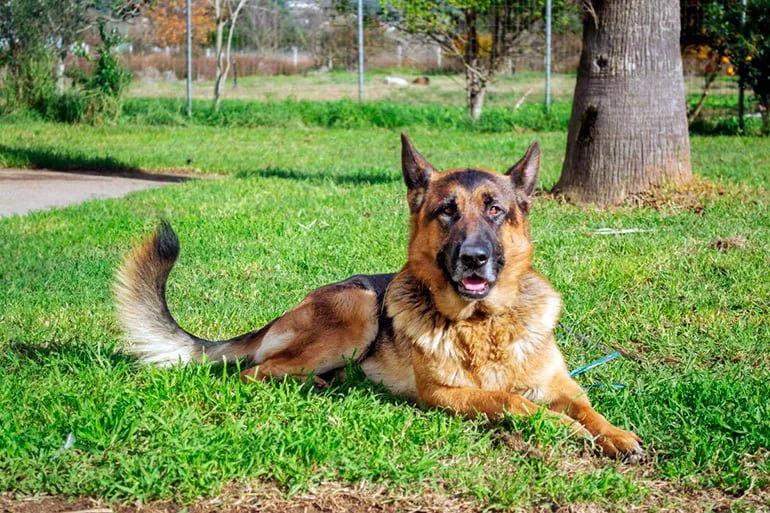
- Companion German Shepherd: bred as a pet.
- Working German Shepherd: trained from puppyhood to perform various jobs, such as herding flocks, or serving as a police or rescue dog, among others.
This classification includes shepherds of any coat shade, regardless of where in the world they come from.
Types of German Shepherd by Origin
Another way to classify this breed is by looking at its origin; this method also includes specifications about the role the dog is meant to perform.
American Show-Line German Shepherd
Bred in North America as a show dog, meaning meant to appear in dog competitions. Dogs of this type have a well-proportioned, muscular body, with a coarse, harsh coat.
American shepherds tend to be taller than European varieties. Since this classification is based only on place of origin, color can vary across the whole range the breed presents: sable, black, white, or bicolor.
A show-line shepherd's personality is relaxed, making it perfect as a companion dog. They stand out for being lively, agile, and playful, since they love spending time with their owners.
West German Show-Line German Shepherd
This variety tends to be more visually striking. Breeders focus on producing well-proportioned dogs that meet all the traits required by the breed standard. They stand out for their beauty and good temperament.
East German Working-Line German Shepherd
Working lines of German Shepherd serve as police dogs, and some individuals have appeared in films. Their look conforms to the breed standard, and the coat can appear in any of the standard combinations.
These working dogs stand out for being intelligent and intuitive, since they're trained to handle stressful situations. As companion animals, they're calm, loyal, and protective.
West German Working-Line German Shepherd
This working line descends from German Shepherds bred during World War II. The split between the eastern and western varieties came about with the construction of the Berlin Wall.
Breeding of this variety follows strict standards, which is why West German working-line German Shepherds don't show the typical conditions of the breed, like hip dysplasia.
These dogs are agile at work, performing tracking and play activities with precision. Off duty, they show a friendly, protective personality.
Czech Working-Line German Shepherd
The Czech German Shepherd began being bred in the former Czechoslovakia as a border patrol dog. It stands out for its strength and its ability to carry out the tasks it was trained for.
This variety usually has a black coat and a well-proportioned body, though less emphasis is placed on following breed standards during breeding.
Types of German Shepherd by Coat Color
Another way to divide German Shepherd varieties is by looking at the coat. These are the types you'll find:
Sable German Shepherd
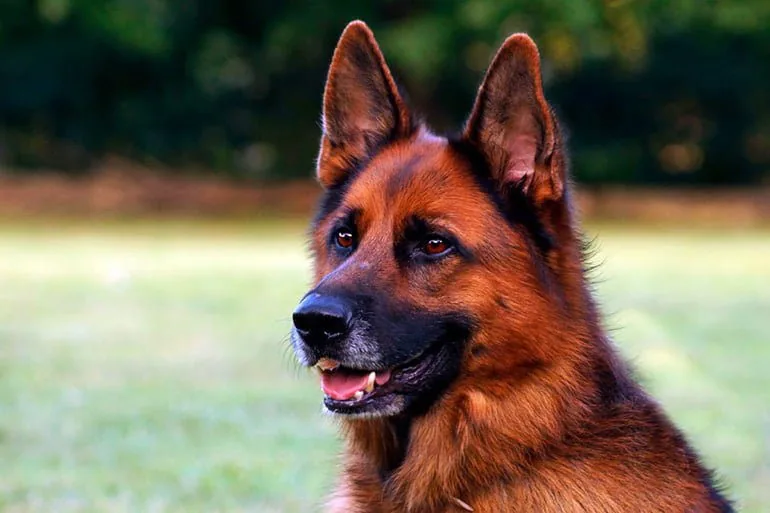
The sable coat combination is the best-known German Shepherd look. It's also known as the Alsatian. The coat can be black or gray on the back, flanks, and part of the tail, while the rest of the body has a reddish coat.
This shepherd's muzzle also has a black mask. It's an intelligent, protective, playful variety.
White German Shepherd
The White German Shepherd is a rare variety, not yet recognized by international kennel clubs. Its body shape and proportions match other German Shepherds, but the coat is smooth and completely white.
This dog's personality is loyal, protective, and playful. It's friendly with people and loves to play.
Panda German Shepherd
The Panda German Shepherd has a bicolor coat: the belly and legs are white, while the back and muzzle show chestnut, black, and brown tones.
It has a muscular, strong body, ideal for outdoor activities, since it has a lot of energy. Like its fellow shepherds, it's friendly and does a good job as a guard dog.
Black German Shepherd
The black coat is the result of a recessive gene. The coat is solid, with no patches. This shepherd's body is muscular, agile, and well-proportioned.
As for personality, it enjoys play and outdoor trips. It's intelligent and agile, and is trained as a working dog by police and firefighters.
On top of that, all these varieties can have long or short hair.
Photos of Each German Shepherd Variety
To help you recognize them by coat color or physical traits, nothing beats seeing them in video and photos, explaining the qualities of each one:
IMPORTANT: This article is for informational purposes only and does not constitute veterinary, nutritional or behavioural advice. Every dog is different, and only your trusted vet can advise you on its specific needs.