 Care
Care
Uses and Benefits of Lemon for Dogs
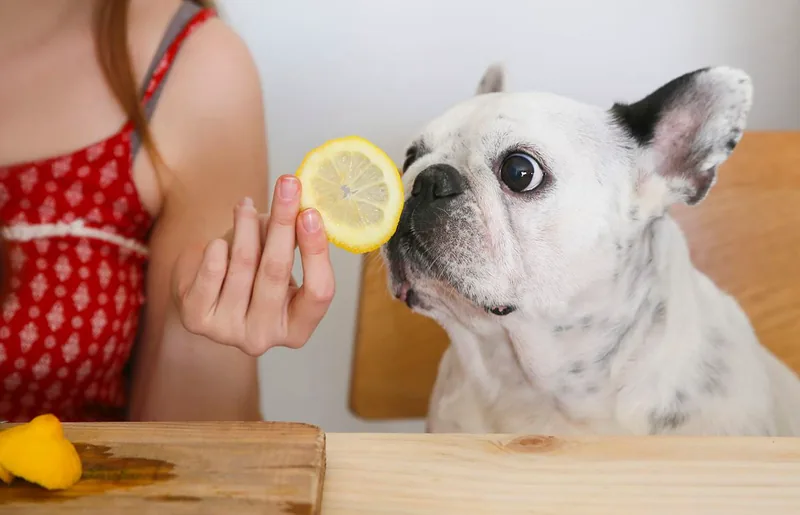
Surely at some point you've offered your dog a slice of lemon and it hasn't shown much interest in it. That's because citrus fruits aren't very appealing to dogs — they feel no interest in eating them, even though dogs love eating just about everything.
However, lemon has many beneficial properties for dogs, not on a nutritional level but on a parasitic one, since lemon can be a great home remedy for getting rid of fleas on dogs and even in our home.
Lemon as an Anti-Parasite for Dogs
Lemon contains a substance called D-limonene, which is very effective at keeping fleas and other external parasites that affect dogs away. That's why lemon has always been an excellent natural remedy to protect dogs against fleas and/or to get rid of fleas, if our dog already has them.
To take advantage of all of lemon's benefits and get rid of possible fleas, we simply need to use it during its bath or make a mixture of water and lemon to apply to our dog's coat, even without needing to bathe it. Let's look in detail at how to do both.
How to Bathe a Dog With Lemon Juice
We can use lemon juice during our dog's bath as follows, remembering that we should never apply it to its muzzle or its eyes, since it can be irritating for it.
- Squeeze three lemons and mix the juice with a liter of water.
- During the dog's bath, before or after using shampoo, pour this mixture over the dog, being careful it doesn't touch its eyes or muzzle.
- Massage the dog's coat so the lemon-and-water mixture reaches its skin better.
- Let it sit for about ten minutes and then rinse with water.
We can use dog shampoo before or after using the lemon-and-water mixture to bathe the dog, since there are no contraindicated effects with dog shampoo.
How to Use Lemon Juice to Get Rid of Fleas
We'll make the same mixture as before, that is, mixing the juice of three lemons with a liter of water. If we don't need that much because our dog is small, we can reduce it proportionally, for example one lemon and a third of a liter of water (three hundred thirty-three milliliters).
We'll apply this mixture to the dog's coat, being careful it doesn't fall on its eyes or muzzle. We'll massage our dog so the mixture reaches its skin well, and then brush the dog to properly separate all the hair and prevent any fleas from hiding among dirt or tangled fur.
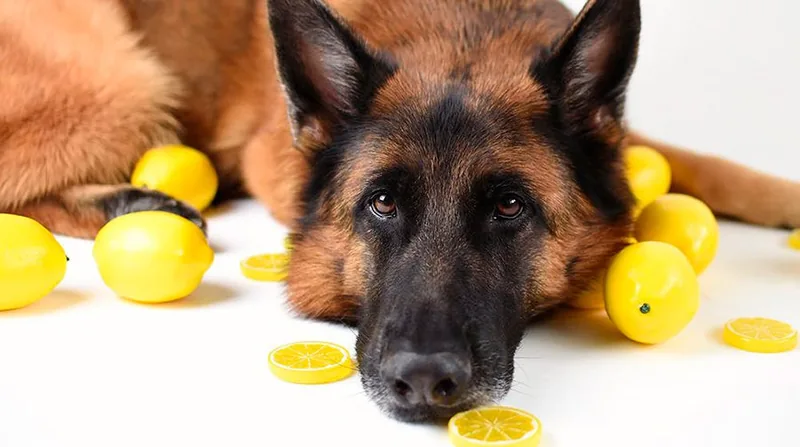
We'll let it dry and that's it — fleas will die or flee because they can't stand certain components of lemon such as limonene. However, dogs don't like the smell of lemon either — it's one of the smells dogs can't stand.
Lemon Juice to Get Rid of Fleas at Home
If our dog has fleas, it's very likely a flea has also made its way into our home. A single flea can lay up to eighty eggs a day, so it's very important to get rid of them as soon as possible to prevent a flea infestation at home.
To do this, we can spray a bit of water mixed with lemon juice around the most common spots where fleas tend to hide, such as the sofa, the dog's bed, rugs, etc. If our home has a wood floor, it's also advisable to mop the floor with water and lemon, since fleas sometimes lodge in the wood's own cracks.
Recommended Precautions When Using Lemon
Some dogs don't tolerate lemon well — if we notice that using it as an anti-parasite makes its skin turn red or show some type of dermatitis, we should stop the process immediately and rinse with plenty of water.
It's very important to be careful with our dog's eyes and muzzle, since lemon is very irritating — it should never come into contact with its eyes or muzzle, not even diluted in water.
Can Dogs Eat Lemon?
Although lemon is very beneficial for external uses, it's not good to include it in a dog's diet. So the answer is no — dogs shouldn't eat lemon, since citrus fruits are harmful to their health. If a dog eats lemon, we'll most likely see some of these symptoms:
- Vomiting
- Diarrhea
- Stomach pain
The citric acid lemons contain is bad for a dog's digestive system, which is why we should never offer them lemon. Lemon peel contains essential oils and psoralens, also very harmful to dogs, since they're toxic.
IMPORTANT: This article is for informational purposes only and does not constitute veterinary, nutritional or behavioural advice. Every dog is different, and only your trusted vet can advise you on its specific needs.