 Breeds
What Are the Best Herding Dogs Like?
The term "herding dog" refers to various dog breeds known for being working animals, suited to handling and watching over livestock. By extension, they also guarded property.
Although today we find these dogs as companions, the role they originally played still shapes their traits. As we'll see, they're dogs that are very active both mentally and physically.
Working Dogs
Their main job was tending to flocks. They were capable of directing them and making sure no animal strayed off. They also protected them from potential predator attacks.
This work speaks to their leadership skills and considerable intelligence. If you've ever seen these dogs directing or gathering a flock, you'll have noticed just how much activity it involves, physically too. The dog won't stop moving from one side to the other.
Characteristics of Herding Dogs
Herding dog breeds, despite their differences, tend to share an athletic, agile build. They're strong without being bulky, medium-to-large in size, and well-muscled.
Their build is perfectly suited to the job they performed, which required the ability to sustain intense physical activity. The head is elongated, and the ears stand upright, giving them a permanently alert expression.
Psychology and Temperament
If their working role shaped their physical build, it shaped their temperament too. Tending flocks gave rise to a strong protective instinct, which at home extends to their property and family. Providing them with socialization and training is essential.
This is what prevents problems at home caused by misdirected or pent-up energy. Their protective instinct, for example, could turn into excessive territoriality. They also stand out for their intelligence, strong learning ability, and loyalty to their family. They're always alert and ready to spring into action.
Best-Known Herding Dog Breeds
Many popular dog breeds today are herding dogs. They share the traits of this type of dog, but each has its own particularities we should learn about before adopting one. Below, we go over the best-known ones.
Border Collie
Increasingly popular, these are medium-sized dogs with an agile body and great intelligence, which makes them stand out in activities like agility, as well as in therapy work. They need to stay active, mentally too, or they'll become excessively anxious.
German Shepherd
Besides becoming widespread as household companions, its excellent qualities have made it a police, rescue, or assistance dog. These are large, highly intelligent dogs that are also protective of their family.
Belgian Shepherd
Intelligent, obedient, affectionate, and protective, their long coat — which needs frequent grooming — and athletic build give them an elegant look. They've adapted well to city living.
Catalan Sheepdog
These dogs stand out for their intelligence, perfectly suited to herding and great workers. With a long coat, they can build excellent relationships with the youngest members of the household. They're very playful and active.
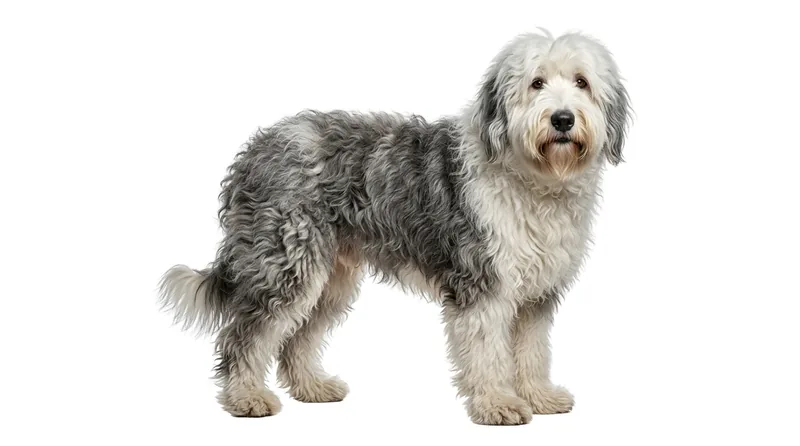
Old English Sheepdog (Bobtail)
These dogs stand out for their long coat, which covers their whole body, eyes included. Their temperament is friendly and pleasant, which has helped their popularity, including in families with children. They adapt to city life, but still need daily exercise.
Australian Shepherd
They resemble the Border Collie, but in a larger size. They're very active dogs and share the traits of the rest of this dog type. Their coat coloring stands out, along with heterochromia, since they can have eyes of different colors.
Briard
These are large dogs with a very charming look, thanks to the coat that falls over their eyes. They have a strong personality, are very active, somewhat wary of strangers, and deeply loyal to their owners.
Bouvier des Flandres
This breed features large, very active dogs with a strong personality and sturdy build. They excel at watchdog duties, as long as they can stay close to their family.
Australian Kelpie
These are very active, medium-sized dogs with a low-maintenance coat. Hugely popular in their home country, they've handled watching over cattle, sheep, goats, and even poultry.
Komondor
An unmistakable dog thanks to its coat, which falls in cord-like locks. They're large, and it's precisely their coat's traits that gave them protection against predators and harsh weather.
How to Care for a Herding Dog
Beyond the care that's common to any dog, like nutrition or medical attention, the traits that let these breeds perform the jobs they were bred for still shape their needs today, even though they now live with us as companion dogs.
Their training is essential, and they're great learners. A herding dog whose basic needs are met will be an excellent companion — docile and not at all aggressive. On top of that, they usually have a double coat, so frequent grooming is needed to keep it in top condition.
Physical Activity for a Herding Dog
Although they've adapted to city apartment life, as long as they can exercise, they'll be much happier with a home that has outdoor space. They're perfectly suited to the outdoors and are high-energy dogs.
Tireless, they need more than three walks a day. Just going out on a leash isn't enough. They need intense physical activity, but also mental stimulation. That's why they're so good at activities like agility, which combines exercise and obedience.
Bibliography
Fédération Cynologique Internationale: http://www.fci.be/es/nomenclature/1-Perros-de-pastor-y-perros-boyeros-excepto-perros-boyeros-suizos.html
Fogle, Bruce. 1995. The Encyclopedia of the Dog. London. Dorling Kindersley.
IMPORTANT: This article is for informational purposes only and does not constitute veterinary, nutritional or behavioural advice. Every dog is different, and only your trusted vet can advise you on its specific needs.