 Care
Care
What Is a Dog Adoption Contract? Guidelines and Obligations
If we're thinking about adopting a dog from a shelter organization, we'll likely be asked, among other requirements, to sign an adoption contract. This document aims to guarantee the adopted dog's wellbeing.
So, it shouldn't be seen as a sign of distrust or an unnecessary signature. Below, we'll explain what these contracts involve, what they mean, and what other conditions shelters will ask of us when we adopt a dog.
How Does an Animal Shelter Work?
Shelters shouldn't be confused with pounds. Pounds are usually public and depend on city councils, provincial governments, or regional authorities. Some are managed by shelter organizations. Pounds are required to take in every dog in their jurisdiction, and are only required to keep them for the legally mandated period so their owners can reclaim them.
This means that, except in places where zero-euthanasia legislation has been passed, dogs can be euthanized once that period is up. On the other hand, shelter organizations don't have any time limit for their dogs. Also, at most pounds, no requirements are imposed to take a dog home.
It's given to whoever pays the release fee, usually equivalent to the cost of the microchip. Shelters, meanwhile, usually conduct a prior interview, sign an adoption contract, hand over the dog with its corresponding health record, and set up follow-ups.
How Do Shelters Hand Over Dogs?
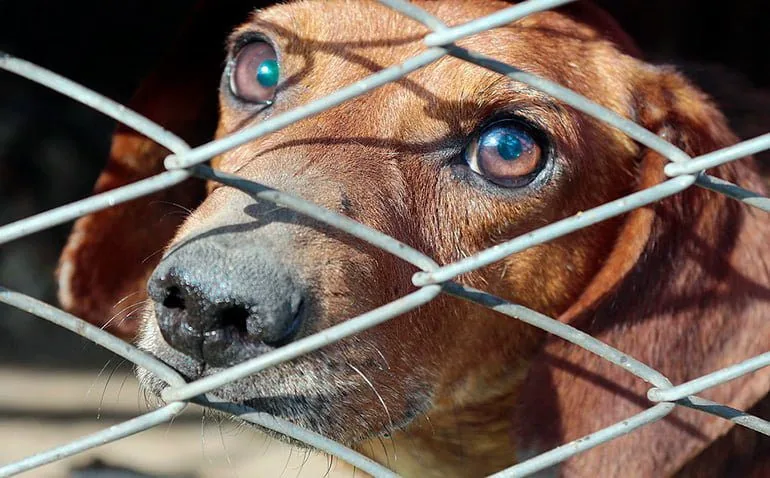
Generally, dogs leaving one of these organizations have been checked by a vet. If they were taken in injured or sick, they'll already be operated on, under treatment, or fully recovered. Also, they're handed over with their health record or passport up to date. This means they'll be dewormed both internally and externally.
They'll also have been vaccinated, including legally mandated vaccines depending on where we live. Also, both male and female dogs are given up for adoption sterilized. If, at the time of handover, they're still puppies too young to be operated on, the adoption contract will include a commitment to future sterilization.
Some shelters work with partner vet clinics. Others let the adopter go to their usual clinic and send proof the procedure was done. Also, if the dog is considered potentially dangerous, current legislation on this must be followed. Every dog is handed over with a microchip.
What Is Pre-Adoption?
Well-run shelters, and we should research one before adopting, won't hand us a dog directly the way almost every pound does. The first thing they usually do is send us the so-called pre-adoption questionnaire. We shouldn't see this as an invasion of our privacy.
The people running the organization, almost always volunteers, just want to make sure the dog they've been caring for, and in many cases rescued from horrible situations, will have the life it deserves. The questionnaires aren't just about learning our qualifications as caretakers. In them, we indicate which dog we're interested in.
Our wishes aren't always compatible with the dog we select. For example, if we spend little time at home, adopting a puppy will likely be a source of coexistence and behavioral problems. If we've never had a dog, getting a dangerous breed dog isn't the best idea. In short, what's sought is that the dog and adopter get along.
Requirements to Be an Adopter
Besides answering the pre-adoption questionnaire, many shelters will want to meet us in person. During that interview, they'll explain the dog's characteristics, the required paperwork, confirm we can take responsibility for it, and answer our questions. Besides being compatible with the dog, they'll assess whether our home is suitable.
For example, if we have an open yard right by the road, it won't be an option to leave the dog loose or tied outside all day. If a dog needs it, we'll need to be able to dedicate time to it. Choosing one that's been mistreated and is scared means it'll take time to earn its trust.
Prior experience is valued, though not essential, unless the dog isn't suitable for beginners. Of course, we need to accept sterilization and commit to follow-ups, as well as sign the adoption contract. On another note, if we want a dog just to guard a property, it's normal for shelters not to consider us suitable.
The Adoption Contract
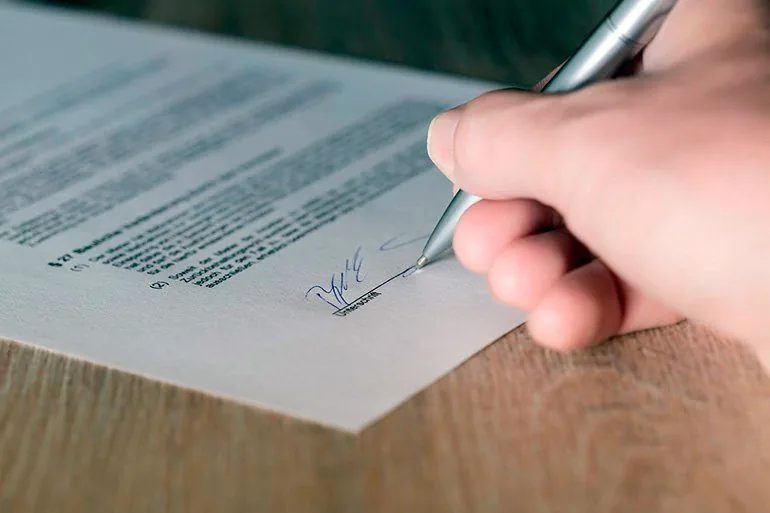
The adoption document certifies the transfer of the dog's ownership from the organization to its new caretaker. In it, we usually sign committing to take charge of the dog, providing it good nutrition and all the veterinary care it needs.
Through post-adoption follow-ups, the shelter will check that we're meeting what we signed. If not, the document itself states they can request compensation or take legal action. Many contracts include a clause where the shelter reserves the right to reclaim the dog in these cases.
If at any point we can't take care of it, it'll be handed back to the organization. Shelters charge for adoptions. A good portion don't receive grants. Handing over healthy, dewormed, vaccinated, and microchipped dogs comes with considerable cost. They need to recover at least a small part to keep doing their work.
IMPORTANT: This article is for informational purposes only and does not constitute veterinary, nutritional or behavioural advice. Every dog is different, and only your trusted vet can advise you on its specific needs.