 Nutrition
What Proteins Can We Use in the BARF Diet?
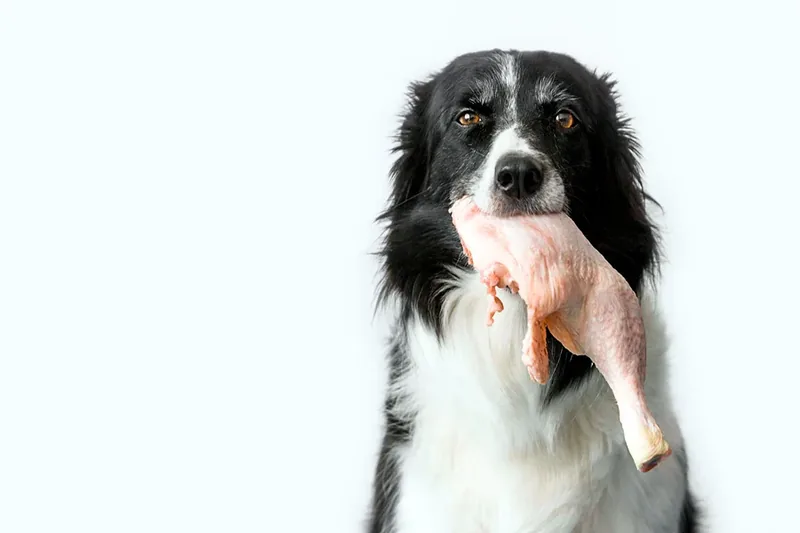
The BARF diet for dogs rests on the idea that dogs are suited to a natural diet much like the one their ancestors, wolves, lived on, and that eating this way is healthier for them. One of the cornerstones of the BARF diet is including a variety of high-quality proteins.
You can rotate the animal protein every so often so your dog never grows tired of the taste of their food. Here are some ideas on the best proteins to work into your BARF recipes.
Animal Proteins
Remember that you can build a recipe around a single animal protein or combine several, depending on your dog's nutritional needs and their own preferences. These are the most widely used, thanks to their high biological value:
- Chicken: chicken is a high-quality protein source rich in essential amino acids. It is also a good source of niacin, which supports digestion and metabolism.
- Turkey: turkey is a lean protein, low in saturated fat and high in essential amino acids. It is also rich in selenium, which supports cell function and the production of thyroid hormones.
- Salmon: salmon is an excellent source of high-quality protein and is rich in omega-3 fatty acids and B vitamins. It is also a good choice for dogs with skin or coat problems.
- Beef: beef is a rich source of high-quality protein and is low in saturated fat. It also provides plenty of iron, zinc and B-complex vitamins, which makes it an excellent option for feeding our dog. Beef has a high biological value, meaning it contains all the essential amino acids dogs need to stay healthy. It is also an excellent source of iron, which matters for producing haemoglobin, the blood protein that carries oxygen to the body's tissues.
- Rabbit: rabbit is a lean, easily digestible protein rich in iron, B-complex vitamins and omega-3 fatty acids. It is also a good choice for dogs with food allergies, since it is an uncommon meat in commercial diets.
- Lamb: lamb is a rich source of high-quality protein and B vitamins. It is also rich in iron, zinc and selenium, all of which matter for a healthy immune system.
- Mackerel: mackerel is a rich source of protein and omega-3 fatty acids that help reduce inflammation and keep skin and coat in good condition. It is also a good source of vitamin D, selenium and niacin.
- Venison: venison is low in fat and a good source of high-quality protein, iron and vitamin B12. It is also a good choice for dogs with food allergies, since it is an uncommon meat in commercial diets.
- Duck: duck is a good source of high-quality protein and is rich in iron, zinc and selenium.
- Sardines: sardines are a good source of protein and omega-3 fatty acids that help reduce inflammation and keep skin and coat in good condition. They are also rich in vitamin D and selenium.
- Buffalo: buffalo meat is a good source of high-quality protein and is low in saturated fat. It is also rich in iron and B-complex vitamins.
- Kangaroo: kangaroo is a lean protein source rich in iron, zinc and linoleic acid. It is also a good choice for dogs with food allergies, given how uncommon it is.
- Goat: goat meat is a lean protein source and low in saturated fat. It is also rich in iron and B-complex vitamins.
- Ostrich: ostrich meat is a good source of high-quality protein and is low in saturated fat. It is also rich in iron, zinc and selenium.
- Wild boar: wild boar is a good source of high-quality protein and is low in saturated fat. It is also rich in iron, zinc and selenium.
Other Valid Protein Sources
Beyond the ones listed above, we can add high-quality protein to our dog's BARF recipes by including one or more of the following ingredients:
- Tripe: tripe is a good source of lean protein and is rich in B-complex vitamins. It also contains omega-3 and omega-6 fatty acids, which matter for healthy skin and coat.
- Organ meats: organ meats are a good source of protein and B-complex vitamins. They are also rich in iron, zinc and selenium. Organ meats include liver, heart, kidneys and lungs.
- Eggs: eggs are an excellent source of high-quality protein containing every essential amino acid a dog needs. They are also rich in omega-3 fatty acids, vitamins D and B12, and choline, which matters for brain and nerve health.
How Much Protein Should You Use?
How much protein a dog needs can vary with age, size, activity level and health. As a general guide, though, BARF recipes are usually built around roughly 30% to 50% meat, plus 10% to 15% organ meats.
Bear in mind that a balanced diet also has to include a wide range of other essential nutrients, such as healthy fats, vitamins and minerals. The best approach is always to consult a canine nutrition expert, or failing that, we have the option of buying natural food already cooked by professionals, such as the range available from Dogfy Diet.
IMPORTANT: This article is for informational purposes only and does not constitute veterinary, nutritional or behavioural advice. Every dog is different, and only your trusted vet can advise you on its specific needs.