 Nutrition
What Vegetables Can a Dog Eat?
Although we're very used to feeding our dogs kibble, the truth is there are other foods common in any household that we can offer them. Vegetables stand out among them.
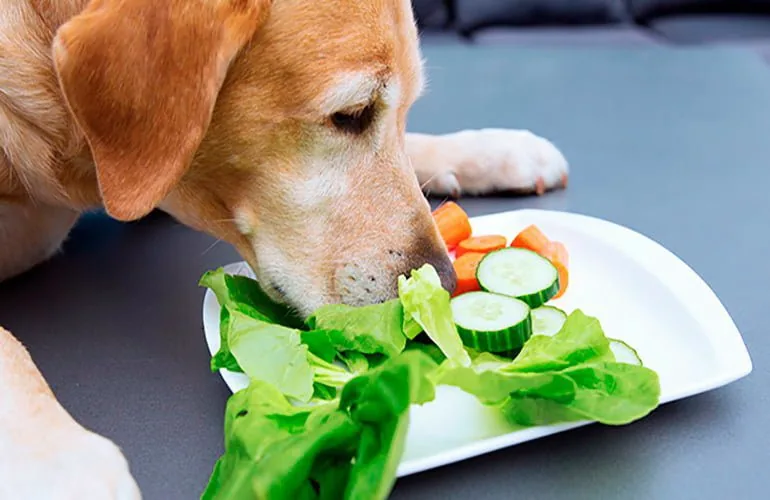
Vegetables provide dogs with vitamins, antioxidants and fibre. Dogs are carnivores, but even if we feed them kibble, vegetables can be included in their regular diet as a supplement or a healthy treat.
Healthy Vegetables for Dogs
Below we offer a list of the most common vegetables we can include in our dog's diet. That said, we should always bear in mind that dogs don't have the same vegetable requirements we do, since they are carnivores. Nor do they digest them the same way we do. So we shouldn't overdo the amounts.
Broccoli
Broccoli is an excellent option packed with vitamins such as C, K, E and A. It also stands out for its folic acid content, as well as fibre, iron, carotenes and flavonoids. It can be given to the dog steamed or boiled.
Pumpkin
Like any other vegetable, pumpkin provides a good dose of fibre. It also contains antioxidants and has a diuretic effect. It's recommended to always offer it to the dog without the skin and with all the seeds removed. It can be boiled, roasted, steamed or given raw and well chopped.
Brussels Sprouts
Brussels sprouts contain B-group vitamins, such as B1 and B6, along with vitamins C and A. As well as fibre, they provide folic acid, calcium, iron, antioxidants and potassium. They're given to the dog boiled.

Cauliflower
Cauliflower belongs to the same family as broccoli, so its benefits and composition are similar to those of that vegetable. It provides vitamins C, K and B6, as well as folic acid. It should be given boiled.
Spinach
As well as fibre, it contains vitamins A, C, E, B, K and F, beta-carotenes and antioxidants. It can be offered to the dog raw and chopped or, if we have it frozen, prepared boiled or steamed. It can also be pan-fried.
Lettuce
It's rich in iron and antioxidants and has a cleansing effect on the body. Whichever variety you choose, it's recommended to give it well chopped so the dog swallows it and it doesn't stick in its mouth or cause choking. It can also be cooked.
Cabbage
It has similar characteristics to lettuce, since iron and antioxidants are among its components. It also has a cleansing effect. We can give it to the dog chopped after washing it.
Carrot
Antioxidant, cleansing and good for digestion, carrot is one of the vegetables most often offered to dogs. It contains very few calories and a good amount of beta-carotenes and fibre, which produces a filling effect.
For that reason it's recommended to give carrot as a treat to overweight dogs, for whom more calorific foods, whether commercial or homemade, would be inadvisable. Giving a raw carrot also helps clean the teeth and fight plaque. We can offer it well washed or peeled.
It can also be added to the bowl grated, steamed or boiled. In the latter case it's also widely used for dogs recovering from some gastrointestinal problem. On top of that, it offers vitamins such as A, K and C.
How to Prepare Vegetables for Your Dog
Besides giving them raw, boiling them or cooking them, which are the typical ways they're usually offered, we can also give them as a purée. This way of serving them is particularly worthwhile for older dogs that have trouble chewing, those with mouth problems, and so on.
In summer, freezing vegetables to give to the dog as though they were an ice cream is a good and fun idea. They can also bring relief to puppies during teething, when we'll notice they feel a greater need to chew. It's also possible to dehydrate them. To do that we can use a dehydrator or dry them ourselves in the sun.
In any case, we'll say it again: dogs are carnivores. Vegetables, or fruit for that matter, should be given as a supplement. They can never be the main ingredient of the diet or replace any meal, even in the case of overweight dogs. If we need a dog to lose weight, we have to set up a menu following veterinary advice.
Vegetables Dogs Must Not Eat
In general, vegetables are good for dogs when added to their diet in a balanced way. There are only a few that are inadvisable, such as onion, leek, garlic and spring onions.
Even if we cook them, if they're eaten frequently or in large amounts they can trigger haemolytic anaemia caused by the thiosulphate they contain, which dogs can't digest because they lack the necessary enzymes. The symptoms of thiosulphate poisoning include vomiting and diarrhoea.
IMPORTANT: This article is for informational purposes only and does not constitute veterinary, nutritional or behavioural advice. Every dog is different, and only your trusted vet can advise you on its specific needs.