 Care
Care
Where and How to Pet a Dog So They Relax?
Petting is much more than a gesture of affection: if you know where and how to do it, it can become a real tool for calming your dog down. Knowing which spots on a dog's body help them relax is essential for your pet's health. Some situations can cause them stress, nervousness, or fear, and you won't always have homemade remedies on hand to calm them, like chamomile or ambient pheromones.
For this reason, knowing which parts of the body relax them will let you provide comfort in difficult situations. Your dog will thank you for these helpful massages, since dogs love receiving petting and affection. Want to know how to do it? Let's get into it!
Reasons to pet a dog
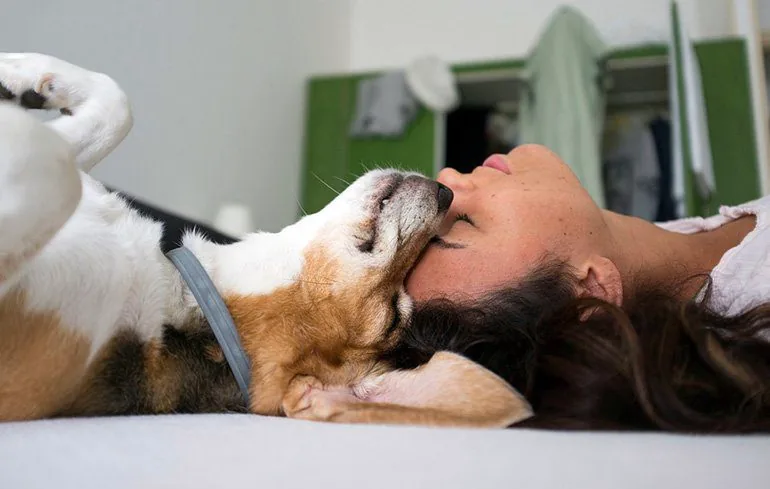
Giving your dog a little massage brings a lot of benefits for both of you. First, it's an activity you can share together. Since the goal is to relax them, a feeling of peace gets passed between the two of you, so you'll come out of it calmer too.
What's more, during a petting session, your blood pressure drops and your body releases endorphins and dopamine, which relieve pain, trigger a sense of euphoria, and produce satisfaction.
In everyday life, there are various situations that can cause nervousness or stress in your dog: the sound of cars, spending too much time alone at home, some discomfort or tense situation with other pets, loud noises, and so on.
For this reason, petting your dog or getting them used to receiving massages will let them release this tension and feel calmer. You can turn it into a daily routine, spending 10 to 15 minutes on it at the end of each day.
How to pet your dog?
Set up a spot in the house where you can do this activity. Ideally it should be away from noise, like the TV or cars outside. Also, both you and your dog should feel comfortable. A quiet, noise-free room is an excellent option.
Choose a spot on the floor with a rug. If you don't have one at home, place a clean towel on the floor instead — you can pick one to use specifically for these sessions from now on. It's more effective if you do it after the daily walk, once they've already burned off some energy.
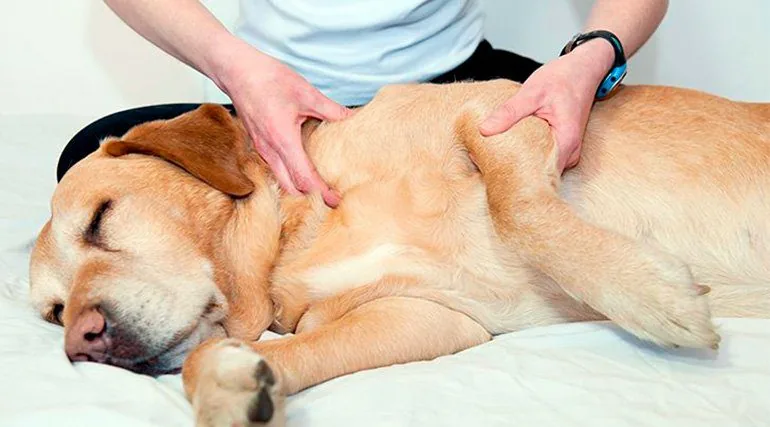
Let your dog settle in comfortably and do the petting using your hands. It shouldn't be shallow — sink your hands into their coat, petting in the same direction it grows, to avoid your fingers getting tangled or giving annoying tugs.
Where to pet your dog so they relax?
Just like with you, there are certain spots your dog finds more pleasant for massages or petting. Petting a dog on the head is a good place to start — move down from there to the spine, the back, and finish at the tail with one long stroke.
Repeat this general stroke several times before starting more targeted massages. Continuing with this kind of motion is very useful when your dog is very nervous or showing fear. This technique is also effective when you want to pet a dog to help them fall asleep.
In your daily routine, move from general petting to massaging areas like the chest, armpits, and chin, making circular motions with your fingers; they should be gentle but steady. Don't pick spots at random — start at the head, move down to the shoulders, the armpits, and continue with motions on the chest and back; this is also a good moment to pet the dog's belly, but only if they seem comfortable with it.
Finally, you can pet their legs. Many dogs are reluctant to have their limbs touched, but this is usually because you're doing it the wrong way. Start by gently pressing on the thighs and, if you notice they're calm, try circular massages near the joints, stretching a little, but very carefully.
Gently pet their toes and paw pads. To finish, run through their body with two more general petting strokes.
What should we avoid during petting?
Now you know where and how to pet a dog to help them relax. However, there are also some things you should avoid:
- Don't tickle your dog — they find it very unpleasant.
- Never blow on their ears or face.
- Don't pat them, since this only puts them on alert.
- Don't press on the base of the tail.
- If your dog has a skin wound or a tumor, avoid handling that area.
- Watch your dog's reactions at all times. If they seem uncomfortable or tense (wagging their tail stiffly, flattening their ears, urinating, pushing you away with a paw), it's best to stop the massage.
- Avoid hugging them — most dogs interpret it as a sign of threat.
How to pet an unfamiliar dog?
You love dogs, and that makes you want to pet every one you come across on the street. However, this can get you bitten if you're not careful. Follow these steps before petting an unfamiliar dog:
- If the dog is with a person, ask first whether you can approach. If they have no owner, proceed with caution.
- Look for signs of aggression or fear in the dog: body tension, growling, a raised tail, bulging eyes. If they approach you under these conditions, back away carefully. Never try to pet a dog that seems nervous.
- If the dog is relaxed, crouch down to their level, but never do this with stray or aggressive dogs.
- Avoid direct eye contact and speak calmly; avoid shouting and sudden movements.
- With a relaxed dog, let them sniff your fist, holding it near their nose. It's better to do this with a closed hand, so you avoid getting a finger bitten.
- If the dog is relaxed and wags their tail in a friendly way, congratulations! Now you can pet them.
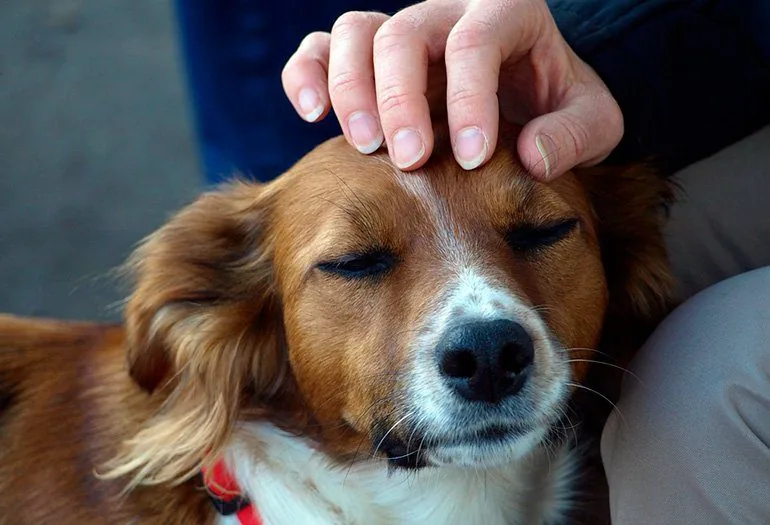
- Don't pet the top of their head or rest your hand on top of it — focus on the base of the ears and the chin. If they continue to seem comfortable, you can pet their back.
- Stay alert to the dog's reactions and stop petting if they seem uncomfortable or aggressive.
As final recommendations, never approach a dog that's eating, since they'll think you're trying to steal their food. Likewise, avoid petting dogs that are tied up or chained in a yard — this situation causes them a lot of stress and can lead to aggressive behavior.
IMPORTANT: This article is for informational purposes only and does not constitute veterinary, nutritional or behavioural advice. Every dog is different, and only your trusted vet can advise you on its specific needs.