 Care
Care
Why Does My Dog Pull Its Ears Back?
Have you ever wondered why your dog pulls its ears back when you pet it? They also do this when we scold them for something, or simply when interacting with other dogs.
The movement of their ears is one of the many ways dogs communicate — they don't use words, but they do use body language. Let's look at what it means and why they do it :)
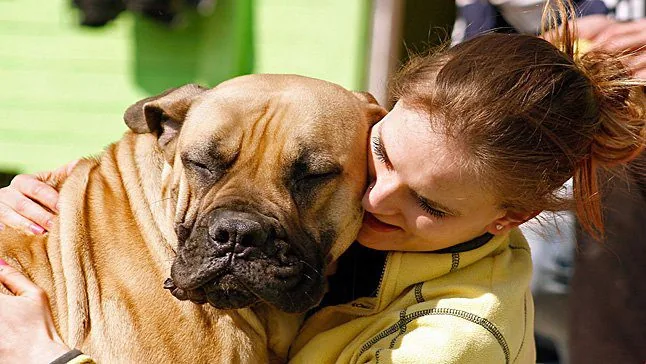
Why Do Dogs Pull Their Ears Back When Petted?
This is a sign of submission and contentment — it's their way of telling us everything's fine and that they like being petted. Ears pulled back should signal calm to us.
A dog's body language is actually much broader than this, which is why, besides the ears, we should also pay attention to other things, like the position or movement of the tail.
Ears pulled back combined with the tail tucked between the hind legs is a sign of fear in the dog. But if the tail is relaxed or wagging, it's a sign of submission, joy, and contentment.
What Else Can Ear Position Tell Us?
Actually, a dog's ears can tell us a lot of things. Depending on their position, and always weighing other factors like the tail, we can interpret the following:
- Raised ears: This simply means the dog is paying attention to something — it doesn't have to be good or bad, it's just interested in something and focused on it.
- Ears raised and tilted forward: This position is a sign of alertness, showing the dog is very focused on something, in a state of alarm. If it's also accompanied by a stiff, raised tail, growling, or bared teeth, it could signal an imminent attack.
- Ears back and tail tucked: This is a sign of nervousness or fear, sometimes both at once. Our dog is uneasy about something and we should try to calm it.
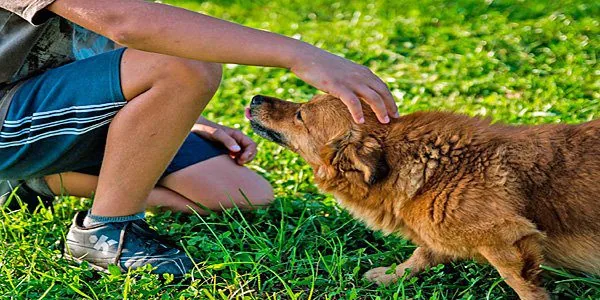
- Ears back and normal tail: A sign of happiness and also submission, very common when petting a familiar dog.
My Dog's Ears Don't Move Like This
Well, the truth is there are many breeds, and with them, many ear types. Dogs with big, floppy ears generally never raise or move them at all — they're too heavy for that.
Ears that have been cropped (something banned and penalized by law) also don't tend to make these movements, or if they do, they may go unnoticed.
Most dogs do move their ears, some more than others. So we just need to know how to read the meaning, looking at other factors like the tail.
Interesting Facts About Your Dog's Ears
You may not have known this, but dogs' ears hide many secrets beyond being part of their body language. Ready to be amazed? Let's look at their characteristics:
- They can hear four times better than a human, which is why they sometimes raise their ears to pay attention while we haven't heard anything at all.
- They use them like a radar, and even tilt their head to improve their hearing (when they seem to be saying "huh?").
- Dogs start hearing from their first few weeks of life — when they're born, they're deaf.
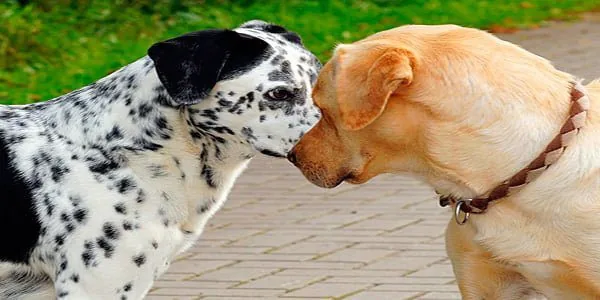
- They use their ears to communicate with each other, so every dog instinctively knows the universal canine language.
- Their ears are made up of more than fifteen muscles, which they use to orient them whenever they need to express something.
IMPORTANT: This article is for informational purposes only and does not constitute veterinary, nutritional or behavioural advice. Every dog is different, and only your trusted vet can advise you on its specific needs.