 Training
Why Does My Puppy Growl and Bite Me?
Puppies seem adorable to us, but before committing to adopting one, we need to be aware that having them requires time. We need to give them proper socialisation and correct training.
This way we'll avoid behavioural problems. Perhaps the behaviour that can confuse us most about puppies is biting and growling. Below we explain the reasons behind these reactions and how to act in response to them.
What a Dog's Growl Means
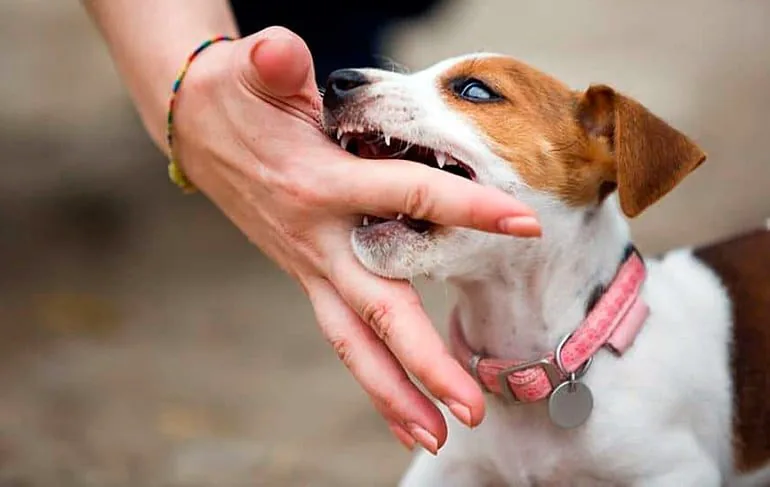
Usually, a dog who growls and bares their teeth is sending us a warning. That we should stay away, stop doing what we're doing, or not take something away from them are possible meanings, which need identifying based on context.
What always seems clear is that it's the prelude to a more forceful warning, such as gripping with their mouth or biting if we don't stop. Rather than a sign of aggression, though, it's a request for us to please leave them alone.
In some circumstances a dog may growl for other reasons. Some dogs growl during play. We'll tell it apart from a dangerous situation because they'll adopt a playful posture, not remotely threatening. In these cases there's no need to step in. It's also not a bad sign if the dog growls with pleasure when we stroke them.
Controlling a Puppy's Bite
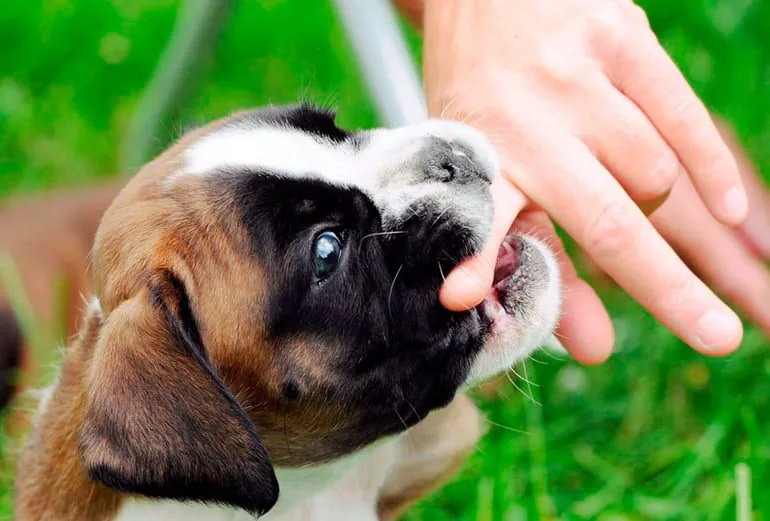
Dogs play using their whole body, mouth and teeth included. During play sessions shared especially with their littermates, they learn not to cause harm when their teeth get involved in the game. That's why it matters a great deal to keep the family together at least until the puppies turn eight weeks old.
With their mother's guidance, they learn where the limits are, how much force to use, and how to use their mouth without hurting anyone. We need to carry on this training once the new family member arrives home. An early separation or improper training can result in an adult dog with problems relating to others.
Other times the dog snaps because they feel pain in the part of the body we're touching. The solution is a vet check-up. In a small percentage of cases, the dog will show an aggressive reaction that makes it essential to contact a professional. It's fixable as long as we follow certain guidelines.
Aggression From Fear
Dogs can bite and growl when they're scared. Generally, faced with a situation they perceive as threatening, three reactions can occur: freezing, fleeing or attacking. This last one is exceptional, and happens when the animal feels there's no other way out. They're in danger, and can only get out of the situation by attacking.
An insecure, fearful dog will more easily feel attacked, and if they find no other option, they may attack other animals or people. To prevent this kind of reaction, it matters that before adopting a dog we learn about their needs, how they communicate, and the right way to treat them.
This way we'll avoid risks and, should problems arise, we'll have the tools to manage them. It's also essential to provide proper socialisation and correct training. This means exposing them to as many stimuli as possible and teaching them at least the basic commands.
The Puppy Bites While Playing
It's not unusual for a puppy to bite or growl at us while playing. Even so, it's essential to react well in these cases. Never use violence. It doesn't teach anything, and only destroys the trust bond between dog and person. Better to reward the behaviours we want to reinforce and try to redirect the ones we don't want to happen.
It's also not a good idea to laugh at the dog or take it as a joke just because they're small. They'll grow. Always bear in mind the dog doesn't bite you playfully to hurt you. They get excited and don't control when to stop. To show them they've hurt you, the right approach is to stop the game immediately.
This way they associate the end of the fun with their bite, and gradually they'll learn to control it. If in doubt, see a professional. A vet specialising in canine behaviour, or an ethologist, can help you.
Chew Toys
Puppies are natural explorers. During this stage of their life, curiosity is very pronounced, and they use their mouth to develop it. What's more, they need to chew for their teeth and jaw to develop properly. That's why it's very good to offer them chew toys they can satisfy this instinct with.
Toys also help redirect their bite so we can play together without needing to put our hands in. If, as soon as they bite us, we give them the chosen toy and they accept it, we'll take the chance to praise them. This way we reinforce the behaviour we want them to repeat. If you don't want them to bite you, never allow it, so as not to confuse them.
Kong-type toys, chewables or dog balls all work. On another note, it matters a great deal that we get them used to having their whole body handled. Brushing them, cleaning their ears, eyes and so on are actions they need to accept. They strengthen the bond and prevent unwanted reactions whenever we need to handle them for some reason.
IMPORTANT: This article is for informational purposes only and does not constitute veterinary, nutritional or behavioural advice. Every dog is different, and only your trusted vet can advise you on its specific needs.