 Care
Care
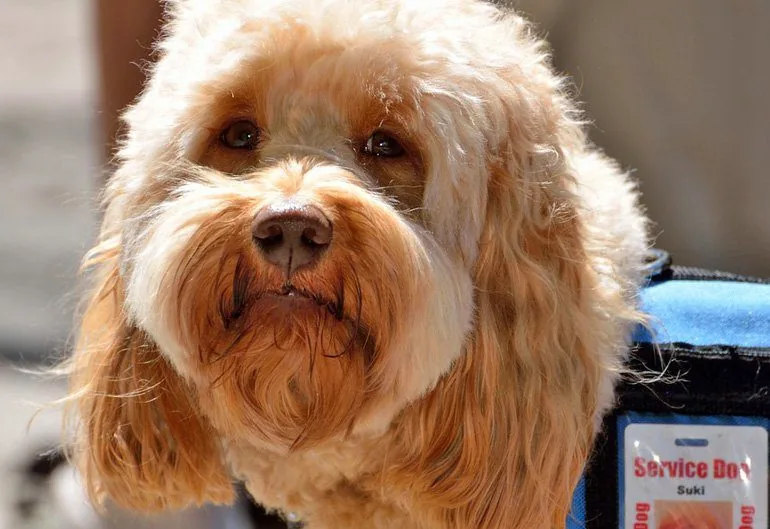
Animal-Assisted Therapy (AAT)
Although it might seem like something new, animal-assisted therapy has been part of humanity as a therapeutic program since ancient Greece. Many Greeks suffering from incurable illnesses went horseback riding to boost their self-esteem.
Today, relationships with animals, and more specifically with dogs, continue to be seen as beneficial for people. Animals improve quality of life, maintain physical and mental balance, and even increase human longevity.
Today, at Soy un Perro, we want to introduce you to how Animal-Assisted Therapy works — a treatment proving the existing power of the human-animal bond to help overcome or adapt to human disorders or illnesses, both mental and physical.
What Is Animal-Assisted Therapy (AAT)?
Animal-Assisted Therapy is the strategy of involving animals as a resource or support in the therapeutic treatment of patients at a physical, emotional, cognitive, and social level, as well as people with conditions affecting their quality of life.
The interaction created between the animal and the patient is used as a mental and emotional bond to encourage or speed up recovery from a human health issue, or its acceptance.
Although these therapies can be used for a wide range of groups or affected people, below we present some special needs that can be treated with AAT:
- Terminal illnesses
- Chronic illnesses
- Muscular dystrophy
- Multiple sclerosis
- Cerebral palsy
- Alzheimer's
- Parkinson's
- Hypertension
- Down syndrome
- Autism
- Psychological or physical disabilities, or special needs
- Mental health and behavioral disorders (anxiety, depression, insecurity, socialization problems, adjustment difficulties, and so on)
- Attention deficit and hyperactivity
- Pervasive developmental disorder (PDD)
- Eating disorders
- Functional diversity
- Women who are victims of gender violence
- Victims of domestic violence
- People at risk of social exclusion
- Addiction treatment
- Inmates in correctional facilities
Dog-Assisted Therapy (Canine Therapy)
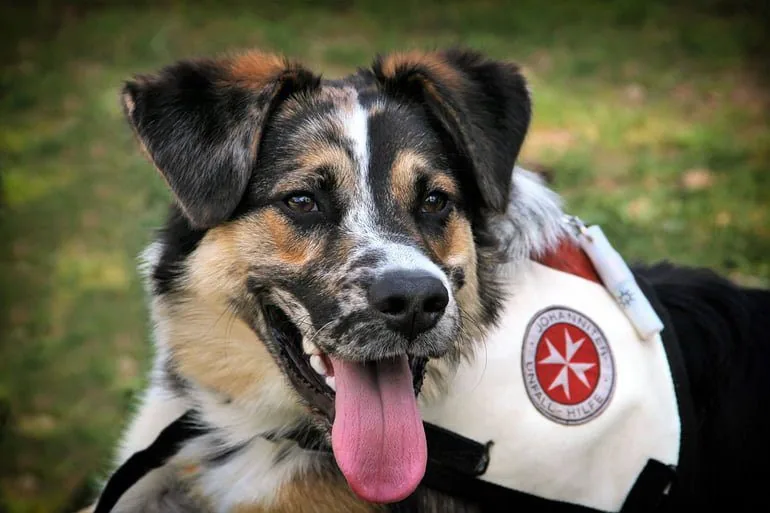
As many dog owners can already imagine, dog therapy, or canine therapy, is highly useful. Patients with cerebral palsy and other cases of brain or motor damage, for example, will improve their facial expressions and movements.
From help as guide dogs for people with mobility or visual difficulties, to improvements in emotional state — dogs boost patients' self-esteem and empathy and let them stay active by taking on responsibilities and caring for the dog.
Besides dogs and other domestic animals like cats, these therapies can also involve other types of animals, like horses and even dolphins, and should always be led by an education or health professional.
Activities Carried Out in Animal-Assisted Therapy (AAT)
The patient and the dog, or other animal, carry out a series of activities together aimed at stimulating specific brain areas based on each case, to improve the person's quality of life, as well as a degree of independence.
Activities carried out with the animal, or toward the animal, by the patient:
Motor Stimulation
- Petting
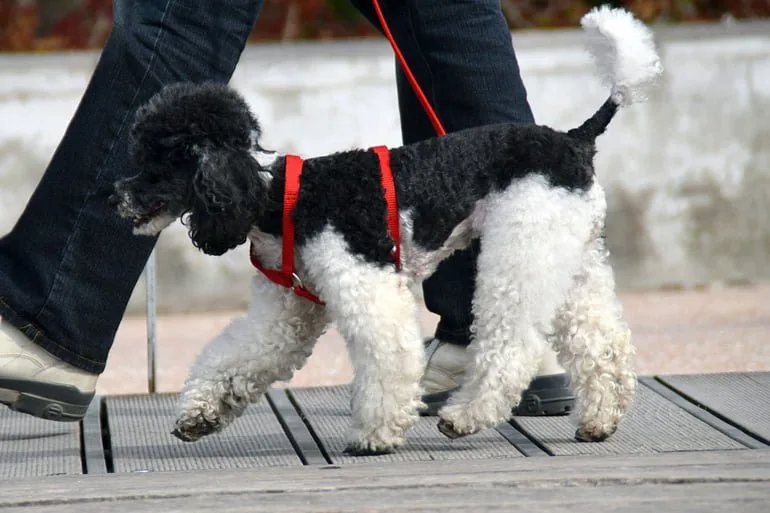
- Walks
- Coordination exercises
- Psychomotor circuits
- Imitating postures
- Grooming and caring for the animal's fur and gear
Memory and Attention Span Stimulation
- Learning and memorizing the animal's name
- Learning about the animal's habits, needs, and care
- Memorizing body parts
- Making up stories
Language Stimulation
- Descriptions: talking and writing about the animal
- Learning to give verbal and gestural commands
- Understanding the animal's communication system
Social Skills Stimulation
- Communication and interaction with the animal
- Games; explaining to others the animal's habits, needs, and care
- Explaining to others what's learned from its company
Responsibility Stimulation
- Feeding the animal
- Learning and keeping up with walk schedules, meals, and other needs
- Preparing and maintaining a clean, pleasant space for it
Impulse Control
- Working on and respecting the wait times required for various activities with the animal
Psychophysiological Control
- Doing relaxation activities with the animal
- Lying next to it and listening to its breathing and heartbeat
Self-Esteem Improvement
- Controlling and caring for the animal
- Guiding it and teaching it commands
- Carrying out various daily activities with it
Benefits of Animal-Assisted Therapy (AAT)
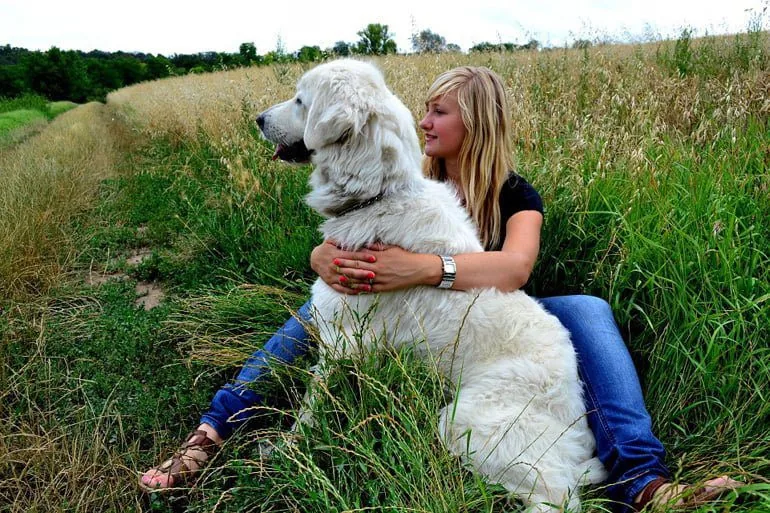
Maintaining an ongoing relationship with an animal during a recovery or acceptance process for a specific condition lets the person notably improve their communication and relationship skills, as well as their mental and physical state.
On one hand, the patient will increase their physical activity and see improvement in their physical therapy sessions, their motor and coordination skills, and their balance. This is very useful for patients with mobility issues or who've had surgery.
Similarly, for patients with cardiovascular conditions, heart rate and blood pressure will benefit. Also, stress in this type of patient is very important to control, and the therapy animal is highly useful for this.
On another note, the emotional and psychological benefits a dog or other AAT animal can offer a patient are numerous and highly varied:
- Emotional stability
- Increases self-esteem, autonomy, confidence, responsibility, and feeling of usefulness
- Encourages empathy
- Improves social interactions and teamwork
- Reduces stress, anxiety, and feelings of loneliness
- Facilitates expressing love and affection
- Helps overcome fears
- Decreases aggressive behavior
- Reduces hyperactivity and improves impulse control
- Stimulates language, concentration, attention, and memory
- Helps other therapeutic treatments work better, since it improves the patient's mood, involvement, and motivation
- Helps treat resistant patients who hadn't responded well to other conventional treatments before
IMPORTANT: This article is for informational purposes only and does not constitute veterinary, nutritional or behavioural advice. Every dog is different, and only your trusted vet can advise you on its specific needs.