 Care
Care
Anorexia in Dogs
When we say a dog has anorexia, we mean it's stopped eating. An animal not eating is reason to see the vet, especially if we notice any other symptom.
That's because in a good number of diseases, anorexia will show up among the clinical signs. That's why, if our dog isn't eating, we need to take it to the vet so they can diagnose and treat the condition causing the anorexia.
My Dog Doesn't Eat When It's Hot
When temperatures are high, it's normal for a dog's food intake to decrease. It will eat, but less, and more likely early or late in the day. It's also common for its activity to decrease, and some dogs will even refuse to go for walks during the hottest hours.
We need to make sure it always has a shaded area and fresh, clean water available. In addition, we'll walk it at dawn or dusk. That said, if the dog isn't eating and shows other symptoms, this is no longer normal behavior and we'll need to take it to the vet.
My Young Dog Isn't Eating
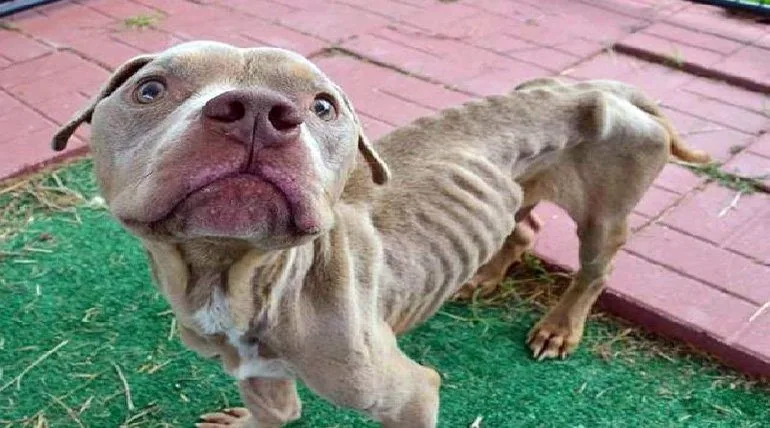
This situation can be normal if we're feeding our dog a menu specifically formulated for growing animals but it no longer needs it. In these cases, it's common to see it leave food in its bowl, or even not eat it at all some days.
This is resolved by offering it a new diet more suited to its nutritional needs as an adult dog. Generally, the switch from puppy to adult food happens around 16 months of age, but each dog needs to be watched individually. That said, if it's not eating and also shows symptoms, we need to see the vet.
On the other hand, older dogs can have trouble eating due to illness, loss of appetite, mouth injuries, etc. In these cases, it's recommended, first, to get a vet diagnosis instead of blaming everything on age. Second, we can turn to more palatable diets to encourage it to eat.
My Dog Isn't Eating Its New Food
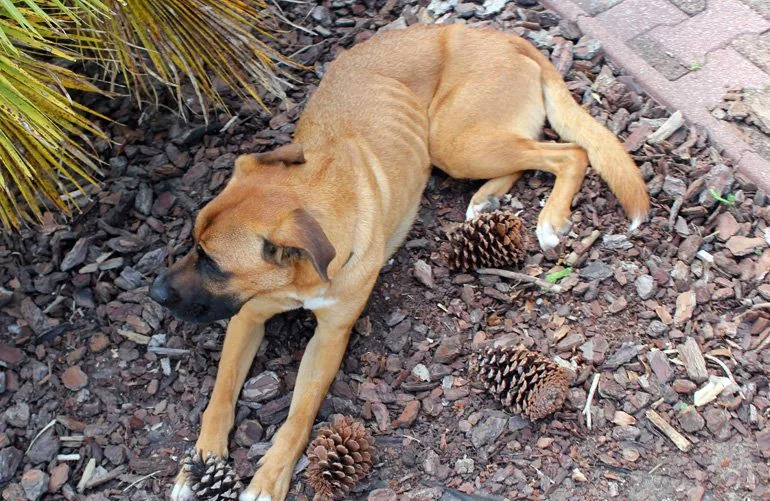
Another cause of anorexia in dogs happens with a diet change. If we're trying, for whatever reason, to change our dog's diet, we might get the unpleasant surprise that it refuses to eat anything at all, even for days.
To prevent this, any change to the menu should be done gradually, mixing the old food with the new one little by little until the switch is complete and the dog has accepted it. Otherwise, if we switch the food all at once and the dog eats it, it can develop digestive problems such as diarrhea or vomiting.
My Dog Isn't Eating and Seems Down
Dogs, just like people, can also go through periods of feeling down. A move, the death of a family member, and generally any situation that disrupts their routine, can make them stop eating.
In addition, stressful situations, problems living with other animals in the home, or circumstances that upset it are other factors worth considering, since they can affect its eating.
Before determining that a dog has stopped eating due to a psychological issue, the vet needs to examine it to rule out any physical cause. To encourage the dog to eat in cases like these, intervening in its environment will be necessary. For this, we can turn to a canine ethologist or similar professional.
My Dog Isn't Eating and Is Sick
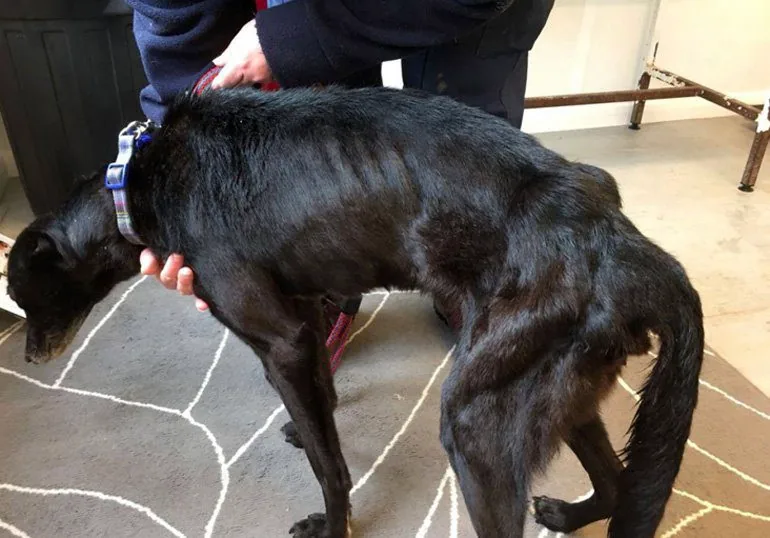
If our dog has stopped eating, or eats less than usual, and also shows other symptoms, it's likely sick. Some owners link anorexia to conditions affecting the digestive system. But the truth is almost any disease includes anorexia among its symptoms.
So, when a dog stops eating, we can't assume it's due to indigestion or intestinal parasites. Behind anorexia we can find all kinds of conditions, from infections to systemic diseases, to injuries causing pain or tumors.
Given the wide range of health problems that can be linked to anorexia, seeing the vet is essential. Based on the dog's medical history and the current symptoms we describe, they'll run the relevant tests to reach a diagnosis, such as bloodwork, X-rays, or ultrasounds.
Encouraging a Dog to Eat
Besides the medications and treatment guidelines the vet gives us based on our dog's disease, for its recovery, it's important for the dog to start eating again.
To achieve this, we can turn to a bland or wet diet, since these are options it will find more appealing and easier to eat. If we offer the food warm, we'll also activate its sense of smell, making it more eager to eat. As a last resort, we can turn to its favorite foods, at least until its appetite returns.
IMPORTANT: This article is for informational purposes only and does not constitute veterinary, nutritional or behavioural advice. Every dog is different, and only your trusted vet can advise you on its specific needs.