 Care
Care
Ascites in Dogs: Diagnosis and Treatment
Ascites, or free fluid in the abdomen, in dogs can alert us to a serious disease. Because of this, even though this fluid buildup in the abdomen may seem like a minor problem, it's worth paying close attention to it.
At Soyunperro we'll explain the causes of ascites, what its symptoms are, and which treatments are most common to cure our dog.
What Is Canine Ascites?
Ascites, on its own, isn't a disease. It's more a symptom of another concurrent condition, meaning it's happening at the same time in one of the organs. So, it can tell us a dog has a health problem requiring urgent diagnosis or treatment.
The fluid abnormally building up in the abdominal cavity can come from internal organs, blood vessels, or even lymphatic vessels. Because of this, it's important for a vet to identify the underlying cause. This way, they can assess how severe the ascites is and the dog's health status.
Causes of Canine Ascites
Canine ascites can be linked to various factors. Because of this, before giving a diagnosis, the specialist will run several tests to identify what's causing the ascites. The most likely causes are:
- Low blood protein levels (albumin).
- Bleeding tumors (mainly hemangiosarcomas).
- Right-sided congestive heart failure.
- Trauma with rupture of internal organs (such as the bladder, for example).
- Ruptured blood vessels.
- Liver-related diseases.
- Intestine-related diseases (for example IBD or peritonitis).
- Kidney- and protein-related disorders.
A dog with ascites can show several symptoms, which can appear suddenly or gradually, depending on the cause behind them.
Symptoms of Ascites in a Dog
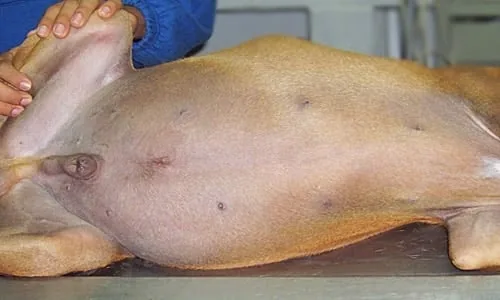
One of the most obvious signs of ascites is the abdominal distension it causes. In other words, the dog's belly looks excessively swollen. What's known in veterinary medicine as an ascitic wave can be observed: tapping that abdomen produces a wave, as if it were a pool.
In addition, this can come with other symptoms such as:
- The dog usually has no appetite, but it depends on the case.
- Pale gums (mucous membranes) if it's abdominal bleeding.
- It appears lethargic and more tired than normal.
- Gastrointestinal symptoms such as diarrhea, vomiting…
- Progressive weight loss in some cases (IBD).
- It feels pain and whimpers when lying down in some cases.
- Difficulty breathing in some cases.
If our dog shows any of these signs, it's important to take it to a vet as soon as possible so they can examine it.
Diagnosis and Treatment of Ascites
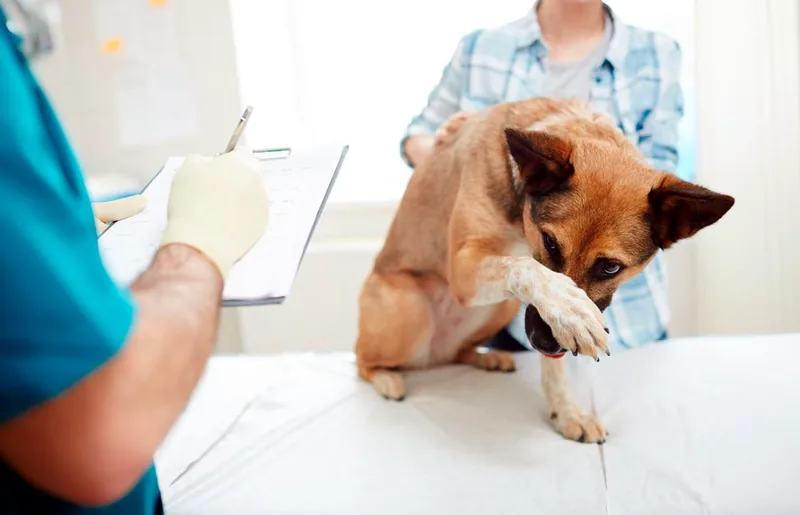
At the vet clinic, the specialist can run several diagnostic tests on the dog. Some of the most common, in the case of ascites, are X-rays and abdominal ultrasounds (very telling), along with taking a sample of the fluid and examining it macroscopically and microscopically.
Based on this, the steps to follow can vary. If there's infection (peritonitis), the dog will need to be given antibiotics besides other medications. The cause always needs to be determined, in case it could be resolved surgically (tumors on organs, for example).
Once resolved, at home it's important to follow the indicated treatment and do periodic follow-up checks so the professional can see how the dog is progressing. Depending on what caused the ascites, treatment and prognosis will differ.
IMPORTANT: This article is for informational purposes only and does not constitute veterinary, nutritional or behavioural advice. Every dog is different, and only your trusted vet can advise you on its specific needs.