 Breeds
Bullmastiff
The Bullmastiff is one of the large dog breeds that stands out for its imposing, muscular body. Originating in Great Britain, this dog is the product of crossing the Bulldog with the Mastiff, a combination reflected in its name.
Let's take a detailed look at every trait of this impressive breed, the recommended care, and its weak points, along with some fun facts. Shall we get started?
What Is a Bullmastiff Like? Characteristics and Standard
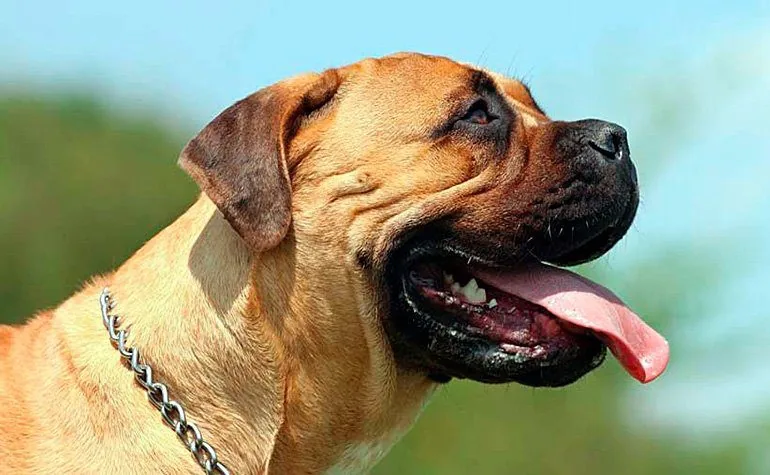
We're talking about a large breed similar to the Boxer, but bigger. The standard set by the Fédération Cynologique Internationale states that the body should be symmetrical and sturdy, but never bulky.
The skull is square, with a wide, black, flat nose. The muzzle is also short, with a scissor-like bite. The eyes are medium-sized with hazel or black irises; some dogs have yellow irises, though this isn't well regarded in competitions.
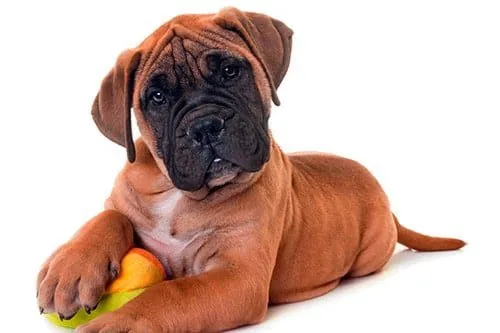
The Bullmastiff's ears hang at the sides of the face in a "V" shape, always darker than the rest of the body. The tail is set high and tapers in thickness the further it gets from the body.
As for the coat, it's short, smooth, and coarse. It comes in brindle, red, or pure fawn, with darker areas such as the ears and facial mask.
 Height between 64 and 69 cm in males and between 61 and 66 cm in females
 Weight between 50 and 59 kg in males and between 41 and 50 kg in females
 Short, brindle coat with a mask
 Loyal, brave temperament
 Strong health, though it can develop congenital conditions
 Estimated life expectancy of between 7 and 9 years
Bullmastiff Behavior
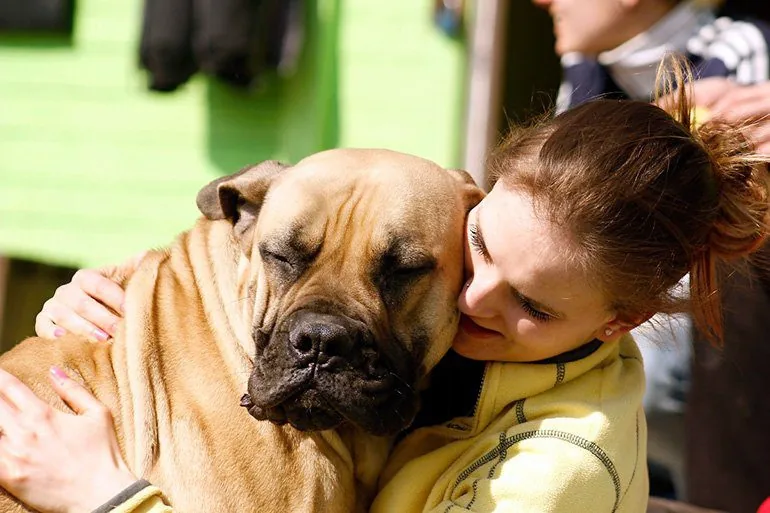
The Bullmastiff's temperament is friendly and affectionate. It loves spending time with family, showing them loyalty, gentleness, and affection.
It also has the qualities of a guard dog. It stays alert around strangers and may keep a close eye on your visitors. The Bullmastiff is the protective dog par excellence. It's a highly intelligent breed, so it evaluates situations before acting, and it usually gives a warning before turning aggressive. That said, it only attacks when it believes it's necessary to protect its family.
How to Care for a Bullmastiff?
Training from puppyhood is essential for raising a Bullmastiff properly, since that's the only way it'll grow into a well-behaved adult. Keep in mind that, given its size and strength, you don't want it to be disobedient or aggressive.
Given its protective nature, you need to socialize it intensively with other dogs and people from puppyhood; otherwise, it will find it very hard to accept them into "its territory." For this, it's recommended to attend dog training classes, where it will interact with other pets while learning.
Despite its large size, it adapts perfectly to both small apartments and large houses. That said, it needs daily exercise to stay balanced, but doesn't handle intense exercise well since it's a brachycephalic breed, which is why long walks are the best option.
Despite its power and strength, the breed isn't considered potentially dangerous in Spain, so no PPP license is required to adopt one. However, in countries like Mexico and the United States, a special permit is required.
Diet and Coat Care
The Bullmastiff represents a significant expense, since it devours large portions of food daily. It's recommended to feed it two to three times a day to prevent it from eating too large a portion at once. Puppies, however, need three to four meals a day.
The Bullmastiff's short coat is easy to maintain. The dog may shed with the change of season, but for the rest of the year it only needs weekly brushing. Bathing frequency depends on physical activity level; estimate once or twice a month.
Common Diseases in the Bullmastiff
This breed is naturally sturdy, generally healthy, and has a bone structure built to last. That said, expert breeders recommend watching for the possible appearance of these conditions:
- Heart problems
- Hip dysplasia
- Elbow dysplasia
- Hypothyroidism
History and Origin of the Bullmastiff Breed
The Bullmastiff is a relatively recent breed, since breeding began during the 19th century. The product of crossing a Bulldog and a Mastiff, breeders were after a large, intimidating dog capable of taking down potential thieves. The reason? The British aristocracy was suffering frequent robberies.
Interest in the breed grew once it started being shown at dog competitions. By 1924, the standard had been established as we know it today.
How Much Does a Bullmastiff Cost?
We recommend adopting dogs rather than buying them. There are plenty of shelters and rescue organizations with dozens of dogs of every age, breed, and size waiting to be adopted, and you can give them a happy home.
But if you're set on buying a puppy of this breed, you can find puppies starting around 400 euros, going up to as much as 1,500 euros.
You can talk to other Bullmastiff owners to get your questions answered, through this Facebook page:
Now that you know all the details about this beautiful breed, are you up for adopting one?
IMPORTANT: This article is for informational purposes only and does not constitute veterinary, nutritional or behavioural advice. Every dog is different, and only your trusted vet can advise you on its specific needs.