 Training
Calming Signals in Dogs
Dogs don't use words, but they do use a huge number of expressions and body gestures to show their mood. Among these, calming signals stand out, important for knowing their mood is settled and relaxed.
Signs Visible on Their Head
Let's start this rundown of canine body language with the head, usually the area we notice first.
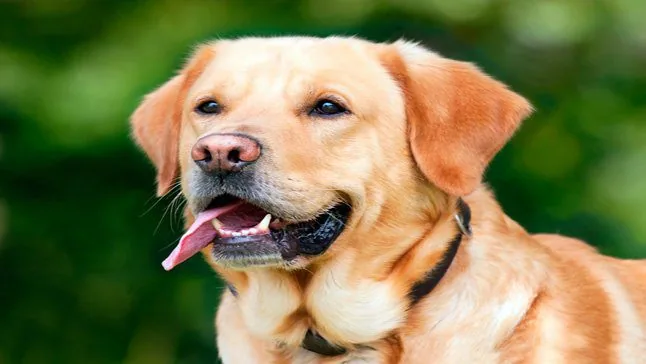
A calm dog will have their ears down, unless they have naturally erect ears, in which case these will stay still, not focused on searching in any direction.
They may look at us, but will quickly blink and lower their gaze. Their mouth will be closed, we won't see their teeth at any point, and they won't make any sound (except if they're panting, obviously).
They may yawn and stick out their tongue, licking the air or their nose. If we're the ones trying to convey calm to the dog, we should avoid staring directly into their eyes, since for them, holding eye contact is a sign of threat.
We can approach a calm dog, always slowly. It's a good idea to speak to them in a gentle tone and approach slowly, showing them our hand with the palm facing up.
We can crouch down to their level, but, as we've said, without staring directly into their eyes. Strokes on the head, between the ears, are relaxing for a dog.
The chest area is too, if we already have more trust with the dog. Lastly, a calm dog will sniff their surroundings.
Physical Calming Signals
A calm dog will be still, probably sitting or even lying down. If they're very relaxed, they'll be fully stretched out, with front and back legs extended, which exposes part of their belly.
Some may even lie on their back, showing us their entire belly and neck. This position will only be taken up by a dog who's entirely calm, in an environment where they feel very safe.
This posture may bring back their first weeks of life, when their mother had to lick their genital area to help them relieve themselves. A dog like this is showing calm and submission.
For this same reason, even if we come across a dog relaxed enough to show us all or part of their belly, if we don't have much trust with them, it's quite likely that as soon as they notice our hand in that area, they'll get up.
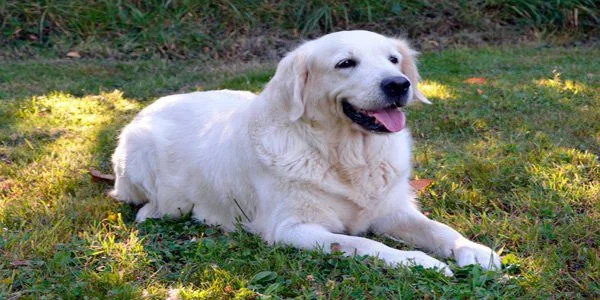
On the other hand, our own dog in that calm posture will enjoy our gentle massage on their belly. If we stroke their neck, specifically where the windpipe is located, our dog will swallow, as a reflex.
It's a trick we can use when we need to give them a pill. When a dog is in this situation, we can see them stick out their tongue, licking their nose. Even if the dog shows us these calming signals while we're stroking them, we shouldn't force them into any posture, since they could react by getting up, uncomfortable.
Some dogs give their paw as a sign of calm. Walking towards us with their head lowered and their body curved into a C shape is also meant to invite us to be calm. In this posture, many dogs stick out their tongue to lick, and others even wet themselves as a sign of submission.
Tail Language
A calm dog will let their tail hang, and, either way, if it's short, they'll keep it still. Although its movement is believed to be a good sign, it actually tells us the dog is agitated and feels unsettled for some reason, so it wouldn't be a calming signal, though it doesn't imply distress either.
An example is when we get home and our dog greets us wagging their tail. They're not happy as such, but expectant.
On the other hand, a tail held still but upright, a tense body, possibly with the fur on their back standing on end, a fixed stare, and sometimes lips pulled back so the teeth become visible, are signs of an imminent attack.
Sounds
A calm dog will stay quiet, but it's also possible for them to make sounds such as barely audible growls, especially if we're stroking them.
We'll notice these don't imply distress or danger because the dog will keep showing the calming signals we've described, that is, relaxed body, tail and ears down and so on.
A growl also shows good humour and being carefree when the dog makes it during play. In these cases we'll see them raise their hindquarters while keeping their front legs and head on the ground, jumping and playing.
All this body language reliably tells us the dog isn't angry.
Dog Sleep
Lastly, it's very common that, with our dog asleep and therefore entirely calm, we notice them starting to move their legs, their eyes as if they had nervous twitches, their ears, tail, and even make sounds such as whimpering, barking or howling.
This situation lasts a few minutes, and although it can alarm us, it's actually a normal sleep phase in which muscle movements happen.
There's no need to wake them up, and it doesn't mean the dog isn't calm — quite the opposite, they're in a deep sleep phase.
IMPORTANT: This article is for informational purposes only and does not constitute veterinary, nutritional or behavioural advice. Every dog is different, and only your trusted vet can advise you on its specific needs.