 Care
Care
Why Do Dogs Pant?
Panting is one of the ways a dog can breathe. We've surely observed it at some point, since it's common when the animal is hot or after intense activity.
But panting can also indicate the dog is sick. In fact, it's a sign linked to very serious health issues. Below, we'll explain when panting is normal and when it's concerning.
What Is Panting?
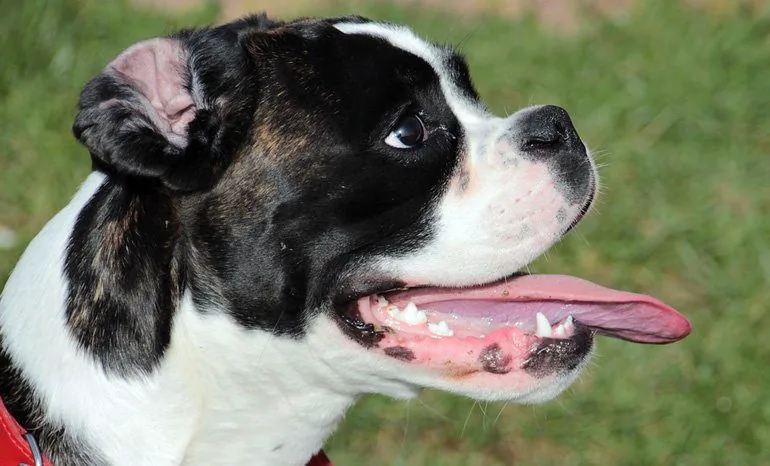
Panting is fast breathing with an open mouth. A dog normally breathes through its nose, with its mouth closed, taking between 10 and 30 breaths per minute. Not every rapid breathing episode is panting, so we shouldn't confuse the two situations.
Excessively fast breathing can indicate the dog is anxious, in pain, or has a fever. These situations are pathological, whereas panting serves a physiological function, as long as no other circumstances are involved. We'll explain this in detail in the sections below.

Why Does My Dog Pant? Is It Sick?
Panting is the main way a dog lowers its body temperature. Remember, a dog only has sweat glands in its paw pads, so sweating isn't its main option for cooling off.
When panting, having the mouth fully open lets hot air from inside the body be exchanged for cooler air from the atmosphere. This lowers the temperature.
On very hot days, the ambient temperature will be similar to the body's. This makes cooling off through panting not very effective. Added to the fact that dogs don't sweat, we need to pay special attention to their wellbeing on sunnier days to prevent heatstroke.

When Panting Is Normal
Given panting's physiological function, it's normal to see it in our dog in situations where we'd sweat. For example, when it's hot, after intense exercise, or with a fever.
From heat or after exercise, the dog pants but feels fine, and shortly after, it'll go back to breathing completely normally. When a dog has a fever, it usually shows some other sign of illness. This warrants a vet visit.
When Panting Is Concerning
Outside the physiological situations where panting appears, if it doesn't stop, or we notice signs in our dog that make us suspect something's wrong, we should seek veterinary help, since we could be facing situations as serious as the following:
- Shock: this term refers to a state of insufficient blood flow and low oxygen levels. It can be caused by hemorrhage, heart failure, anaphylaxis, dehydration, poisoning, sepsis, and so on. Warning signs include panting, rapid heart rate, congested mucous membranes that later turn pale, hypothermia, or unconsciousness.
- Heatstroke: besides intense panting, we'll notice breathing difficulty, thick saliva, vomiting, fever, internal bleeding, gray mucous membranes, shock, collapse, seizures, or coma. This is very serious, needs immediate treatment, and can still be fatal even so.
- Dehydration: this happens when the body can't replace the fluids it's losing. It's usually due to intense vomiting and severe diarrhea, but can also be caused by serious illnesses, heatstroke, or fever. If we pull up the skin on the back and it doesn't immediately spring back, our dog is dehydrated.
- Diabetic ketoacidosis: this is caused by high blood sugar with an accumulation of ketones, byproducts of fat metabolism. It causes general weakness, vomiting, and breath smelling of acetone. This is a veterinary emergency.
- Poisoning: also produces other symptoms like lethargy, breathing difficulty, excessive drooling, vomiting even with blood, diarrhea, general weakness, lack of coordination, tremors, or seizures. The outlook depends on the toxin, the dog's characteristics, the amount it was exposed to, or how quickly it receives care.
- Pleural effusion: this is fluid or blood buildup in the chest due to various causes. We'll notice the dog breathing with its mouth open, with blue mucous membranes, staying still standing or sitting, in a position trying to get oxygen. It needs to be carefully transported to the vet, since it could collapse with any exertion.
What Do I Do If My Dog Pants a Lot?
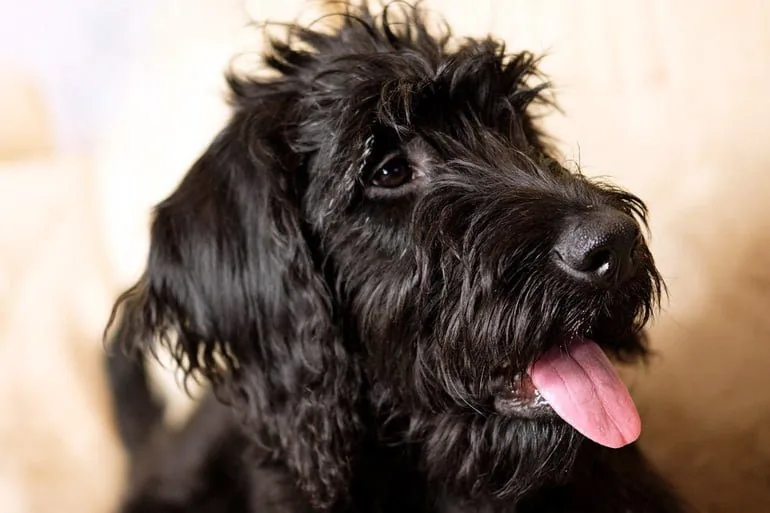
Pathological panting is an indicator of serious ailments, so as soon as we identify it, our first reaction should be to contact the vet. And it's very important to act fast, since conditions like heatstroke, severe dehydration, or poisoning can be fatal very quickly.
Bibliography Carlson and Giffin (2002): Dog Owner's Home Veterinary Handbook. Madrid: Editorial el Drac.
IMPORTANT: This article is for informational purposes only and does not constitute veterinary, nutritional or behavioural advice. Every dog is different, and only your trusted vet can advise you on its specific needs.