 Nutrition
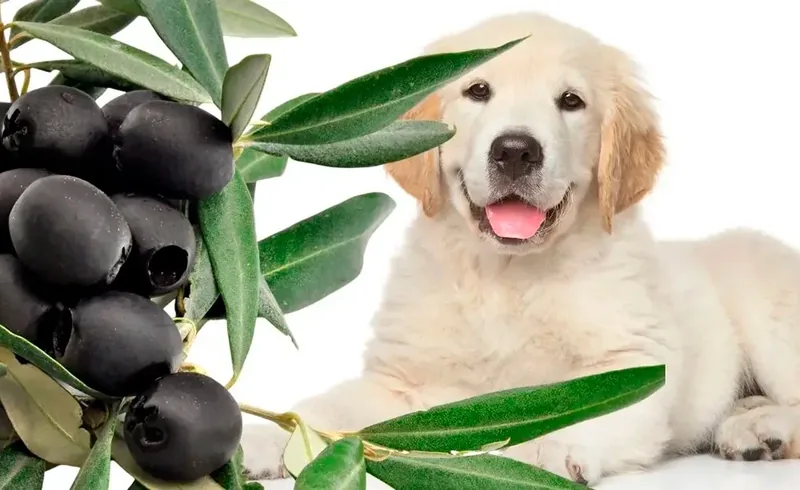
Can Dogs Eat Olives? Yes, They Can
Olives are a common ingredient in many recipes, and plenty of people love them as an everyday snack. Dogs, however, do not have the same nutritional requirements or the same tolerance for foods that humans do.
If you are wondering whether dogs can eat olives, the answer is yes, but with a few exceptions and precautions, which we set out below.
You may also like to read: How much garlic can a dog eat?
Is It Bad for My Dog to Eat Olives?
Olives appear on the lists of foods that are 'forbidden' for dogs. But you should know that this is not exactly down to any toxicity, but rather to the risks associated with the stone.
As you know, olives contain a fairly large stone inside, which is not advisable for dogs or humans to eat. The point is that for a dog (especially small breeds), swallowing an olive stone carries a serious risk of choking.
That is because dogs tend to chew their food very little before swallowing it. Add to that the fact that olive stones are genuinely hard and difficult to chew, so trying to crunch them can damage the lining of the mouth and the teeth.
As a result, when a dog tries to swallow an olive with the stone in, there is a risk of that stone lodging in the airway, where it can block it and cause choking.

Can Dogs Eat Pitted Olives?
The answer is YES! Dogs can eat pitted olives, as long as they do so in moderation.
Moderation is key because olives bring with them a large amount of fat and sodium. While these are essential nutrients for the canine body, in excess they encourage weight gain and can lead to conditions such as high blood pressure and kidney problems.
That said, thanks to their nutritional make-up, olives can bring some interesting health benefits for dogs, such as:
- Antioxidant action. The vitamin E and essential fatty acids in olives help protect cells from oxidative stress and cell damage. Beyond the 'anti-ageing' effect, this supports the workings of the nervous system, hormone production and the prevention of all manner of illnesses.
- Anti-inflammatory and cardiovascular protection. Much of the fat in olives comes as omega-9 monounsaturated fatty acids. Among their many benefits for canine health, the standouts are their anti-inflammatory and anti-tumour properties, their support in regulating blood cholesterol and triglyceride levels, and the resulting prevention of cardiovascular disease.
- Support for bone and gut health. Olives provide fibre, which matters for keeping the bowels moving properly and preventing constipation. Their good calcium content, meanwhile, helps keep bones and muscles strong.
The Nutritional Profile of Olives
Olives are the fruit of a tree popularly known as the olive tree (Olea europaea), which grows naturally in regions with a Mediterranean climate. You probably already know that there are many varieties of olive, broadly classified into green olives (harvested before ripening) and black olives (harvested during the plant's ripening period).
Beyond colour, flavour and texture, the nutritional make-up can vary slightly from one variety to another. Broadly speaking, though, olives stand out for their high nutritional value, being a good source of fibre, vitamin E, calcium and essential fatty acids (the so-called "good fats").
According to the USDA, 100 grams of raw green olives provide approximately:
- Energy: 145 kcal, Water: 75.3 g, Carbohydrate: 3.84 g
- Dietary fibre: 3.3 g, Fat: 15.3 g, Protein: 1.03 g
- Vitamin A (retinol): 20 μg, β-carotene: 231 μg, Thiamine (vit. B1): 0.021 mg
- Riboflavin (vit. B2): 0.007 mg, Niacin (vit. B3): 0.237 mg, Vitamin B6: 0.031 mg
- Folic acid (vit. B9) 3 μg, Vitamin E: 3.81 mg, Vitamin K: 1.4 μg
- Calcium: 52 mg, Iron 0.49 mg, Magnesium: 11 mg, Phosphorus: 4 mg, Potassium: 42 mg, Sodium: 1556 mg
Does Your Dog Like Olives? Keep These Recommendations in Mind
First comes moderation. As we have seen, dogs can eat olives, but always in small amounts and only now and then. So if your dog likes olives, a great idea is to use them as a very special reward for good behaviour.
In other words, you can use olives as positive reinforcement in your dog's training to encourage them to take on and repeat the behaviour you want.
Bear in mind, too, that olives should be off the menu entirely for dogs with digestive disorders, food sensitivities, high blood pressure or heart trouble, and kidney disease.
Last but not least, remember to offer your dog olives that are pitted and unstuffed. And if you want to get the most out of the benefits of olives, you can work extra-virgin olive oil into your dog's diet.
IMPORTANT: This article is for informational purposes only and does not constitute veterinary, nutritional or behavioural advice. Every dog is different, and only your trusted vet can advise you on its specific needs.