 Nutrition
Can Dogs Eat Pears?
Offering fruit to your dog is a good option to add variety to its diet, whether it eats commercial kibble or a homemade diet. However, not all fruits are suitable, which is why you need to know whether dogs can eat pears before adding them to its routine.
Did you know pears contain nutrients with high biological value for dogs, but that in excess they're laxative? We'll show you everything you should know about this fruit before giving it to your dog.
Can Dogs Eat Fruit?
Yes, eating fruit is beneficial for your dog! As a supplement to its diet, occasionally offer it a few pieces of different fruits, but make sure to pick ones that are good for it!
Remember your dog's ideal diet is primarily carnivorous. If you feed it commercial kibble, choose a brand with high protein levels, along with appropriate portions of vegetables, carbs, vitamins, and minerals. Likewise, if you offer a homemade diet like the BARF diet, adding fruit will enrich its diet.
Proportions matter: weekly fruit intake should only make up 10% of your dog's whole diet, meaning a low amount, translating to a few small pieces depending on your pet's size.
Nutritional Properties of Pear
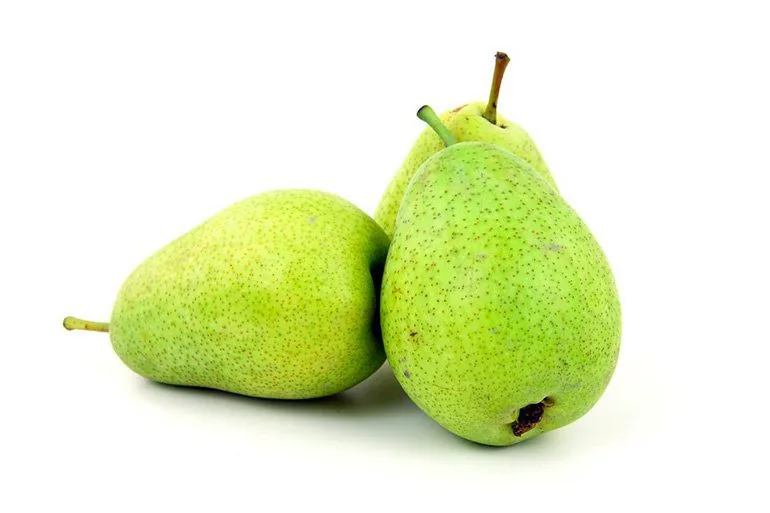
Pear is a juicy fruit that can be harvested in winter or summer, depending on the variety and where in the world you live. Besides its rich, refreshing taste, it has several nutritional properties:
- Low calorie content.
- Vitamins B1, B2, and B3.
- Vitamins A and C.
- Calcium, potassium, and magnesium.
- Folic acid. Fiber.
Benefits of Eating Pear for Dogs
You can give your dog pear, and it's important to know the benefits it has for its body:
- Prevents heart disease.
- Protects against vision loss in adult dogs.
- Keeps blood sugar levels low, as long as consumption isn't excessive.
- Provides water to your dog.
- Doesn't add calories to its diet.
- Keeps cholesterol levels stable.
- Lowers blood pressure.
Can I Give My Dog Pear?
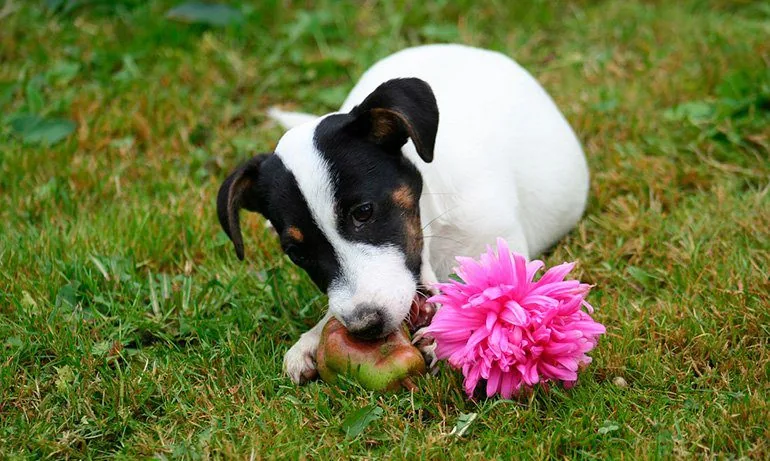
Fortunately, pear is a safe fruit for your dog. On hot days, it's recommended as a healthy snack or bite, also for those walks you share with it outdoors.
Remember fruit only makes up a portion of your dog's diet — avoid offering it often, whether pear or any other, due to its sugar content or to prevent diarrhea from constant fiber intake.
If you have a small dog, offer two small pieces after cutting the pear into 4. Medium dogs can have 1/3, while your giant breed dog can eat half or a whole pear, depending on the piece's size.
Remember that although they can eat pear, it's advisable to discard the core (the seeds)
Can I give pear to a puppy? If your dog is under 6 months old, giving it pear isn't recommended, since it could cause indigestion. Check with your vet on the best way to offer a homemade diet to your dog based on its age.
How to Give Pear to a Dog
Although we love eating cold fruit from the fridge, these temperatures will only cause indigestion in your dog. Give the pear at room temperature, after making sure it's ripe: if it's still green, it won't taste delicious, and overripe ones will only upset it.
Before offering pear or any fruit, wash it well and remove any trace of dirt or a possible sticker. You don't need to remove the pear's skin, but you should cut it to remove the stem and seeds.
Although they seem harmless, pear seeds contain small amounts of cyanide, which can be harmful and even dangerous for your dog.
Cut the fruit into small pieces, and it's ready for your dog! Remember the portions we've mentioned and offer it as a healthy snack or treat during your walks.
How NOT to Give Pear to Your Dog
All these recommendations only apply to natural pear. It's not recommended to give your dog pear juice, whether natural or bottled, since it contains higher amounts of sugar. You also shouldn't let it eat pear-based sweets, candied pears, or pear jam, etc.
IMPORTANT: This article is for informational purposes only and does not constitute veterinary, nutritional or behavioural advice. Every dog is different, and only your trusted vet can advise you on its specific needs.